


Personal Characteristics and Experience of Primary Care Predicting Frequent Use of Emergency Department: A Prospective Cohort Study
- PMID: 27299525
- PMCID: PMC4907452
- DOI: 10.1371/journal.pone.0157489
Personal Characteristics and Experience of Primary Care Predicting Frequent Use of Emergency Department: A Prospective Cohort Study
Abstract
Objective: A small number of patients frequently using the emergency department (ED) account for a disproportionate amount of the total ED workload and are considered using this service inappropriately. The aim of this study was to identify prospectively personal characteristics and experience of organizational and relational dimensions of primary care that predict frequent use of ED.
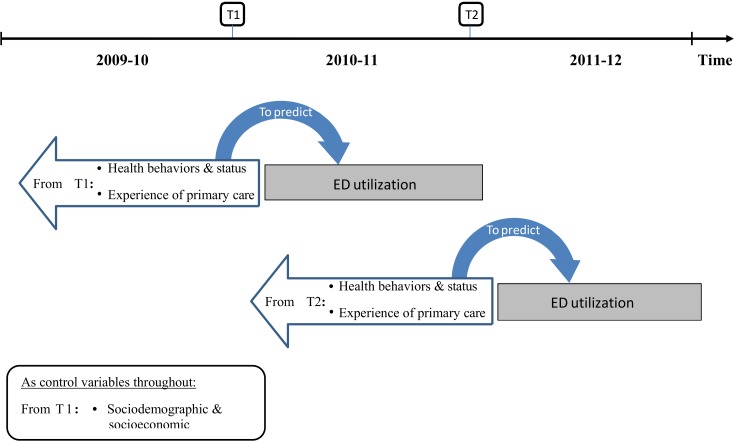
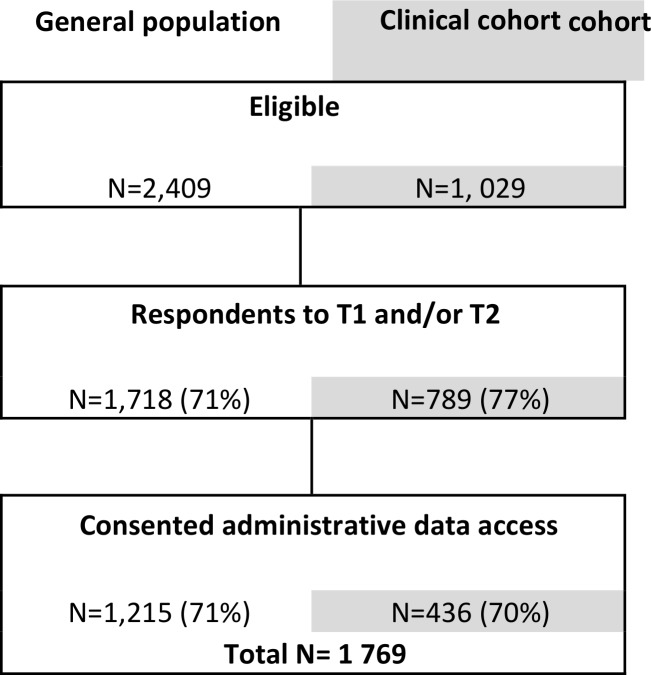
Methods: This study was conducted among parallel cohorts of the general population and primary care patients (N = 1,769). The measures were at baseline (T1), 12 (T2) and 24 months (T3): self-administered questionnaire on current health, health behaviours and primary care experience in the previous year. Use of medical services was confirmed using administrative databases. Mixed effect logistic regression modeling identified characteristics predicting frequent ED utilization.
Results: A higher likelihood of frequent ED utilization was predicted by lower socioeconomic status, higher disease burden, lower perceived organizational accessibility, higher number of reported healthcare coordination problems and not having a complete annual check-up, above and beyond adjustment for all independent variables.
Conclusions: Personal characteristics such as low socioeconomic status and high disease burden as well as experience of organizational dimensions of primary care such as low accessibility, high healthcare coordination problems and low comprehensiveness of care are prospectively associated with frequent ED utilization. Interventions developed to prevent inappropriate ED visits, such as case management for example, should tailor low socioeconomic status and patients with high disease burden and should aim to improve experience of primary care regarding accessibility, coordination and comprehensiveness.
Conflict of interest statement
Figures
References
-
- Mandelberg JH, Kuhn RE, Kohn MA. Epidemiologic analysis of an urban, public emergency department's frequent users. Academic emergency medicine: official journal of the Society for Academic Emergency Medicine. 2000;7(6):637–46. Epub 2000/07/25. . - PubMed
-
- Hansagi H, Olsson M, Sjoberg S, Tomson Y, Goransson S. Frequent use of the hospital emergency department is indicative of high use of other health care services. Ann Emerg Med. 2001;37:561–7. - PubMed
MeSH terms
LinkOut - more resources
Full Text Sources
Other Literature Sources
Medical
