


Use of noninvasive ventilation at the pulmonary infection control window for acute respiratory failure in AECOPD patients: A systematic review and meta-analysis based on GRADE approach
- PMID: 27310978
- PMCID: PMC4998464
- DOI: 10.1097/MD.0000000000003880
Use of noninvasive ventilation at the pulmonary infection control window for acute respiratory failure in AECOPD patients: A systematic review and meta-analysis based on GRADE approach
Erratum in
-
Erratum: Medicine, Volume 95, Issue 24: Erratum.Medicine (Baltimore). 2016 Aug 7;95(31):e5074. doi: 10.1097/01.md.0000490009.39850.74. eCollection 2016 Aug. Medicine (Baltimore). 2016. PMID: 31265618 Free PMC article.
Abstract
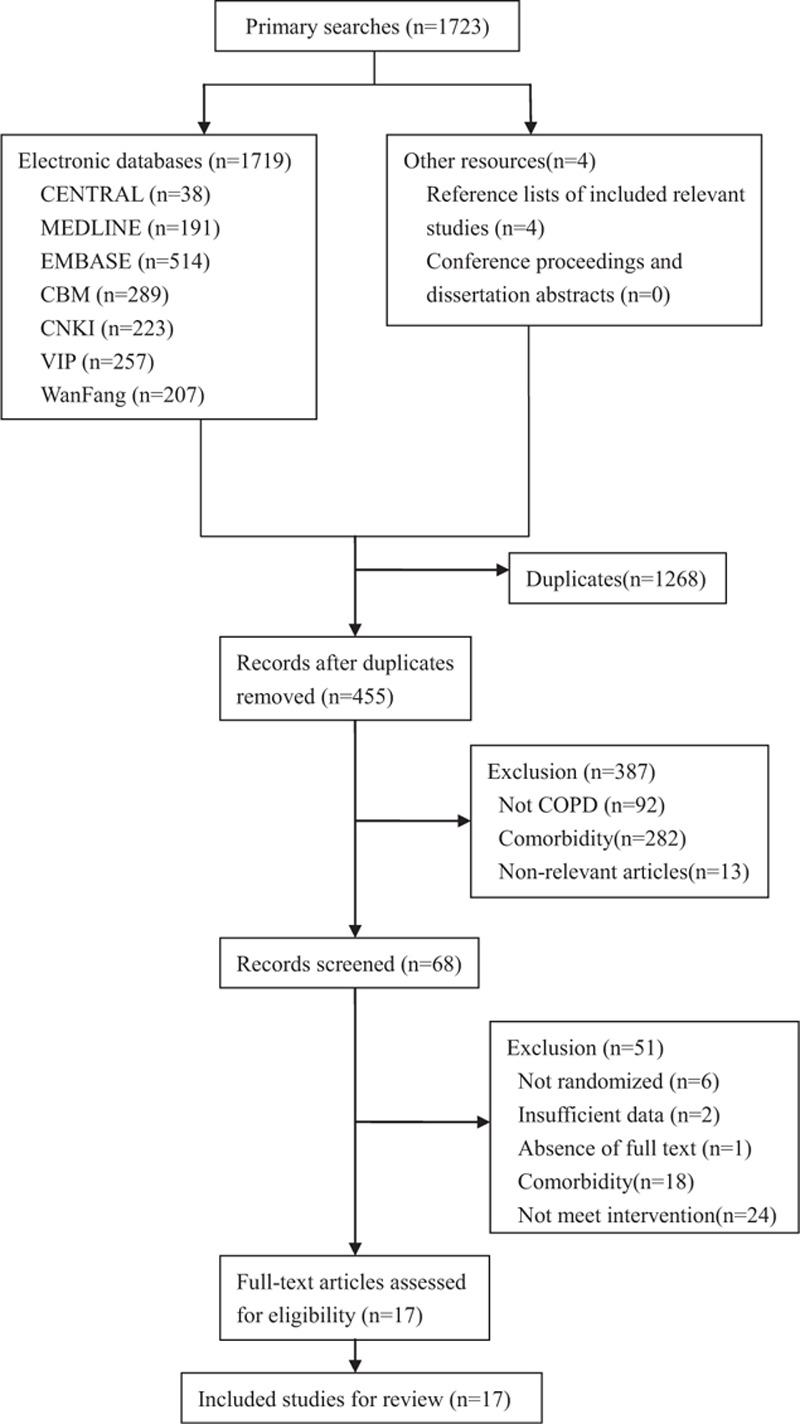
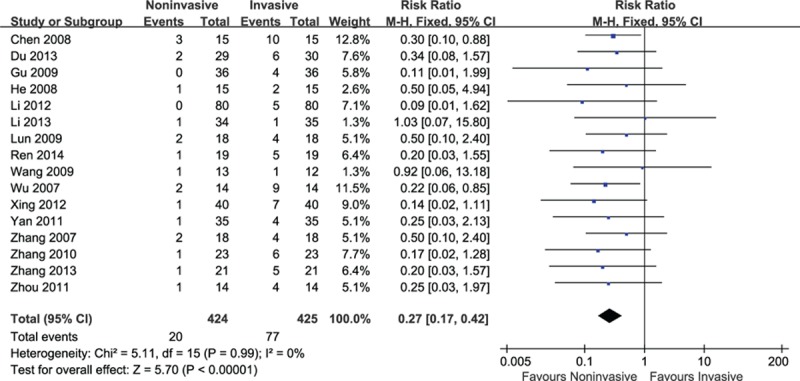
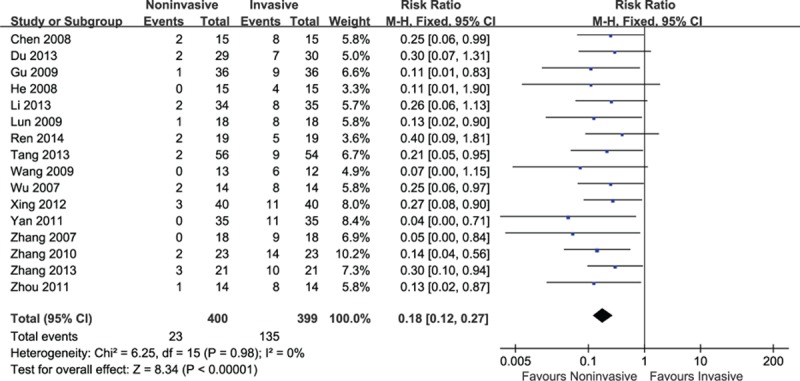
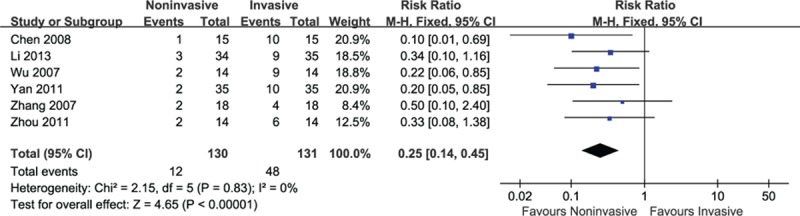
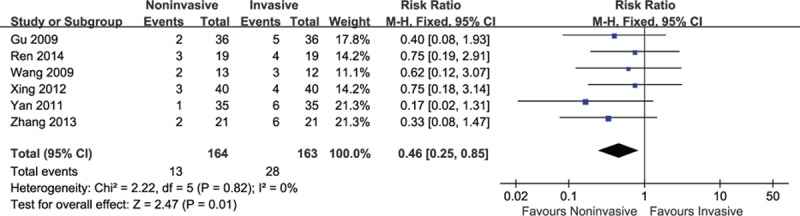
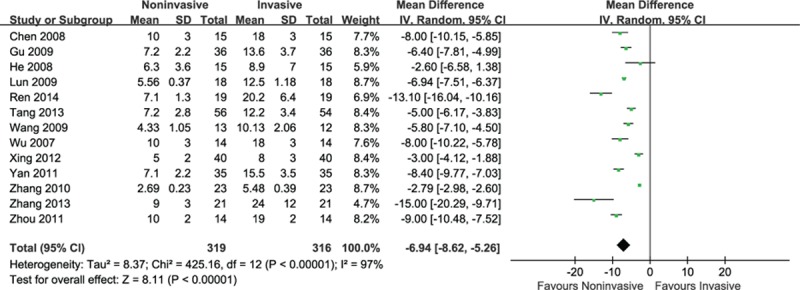
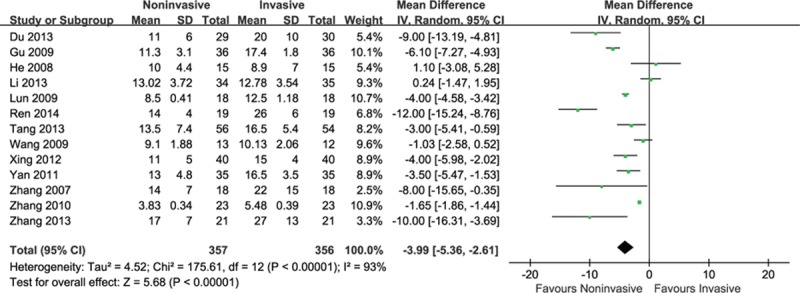
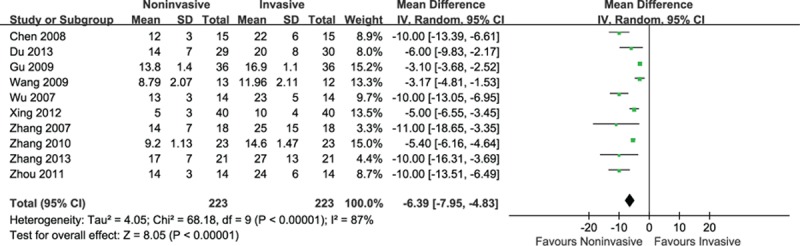
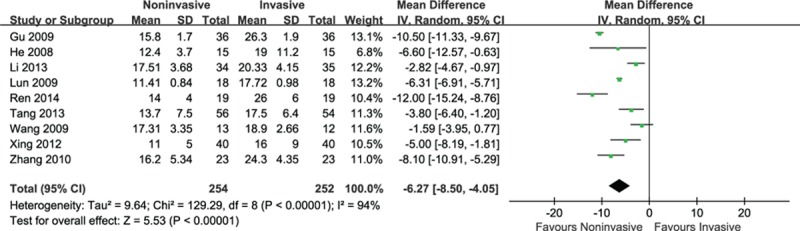
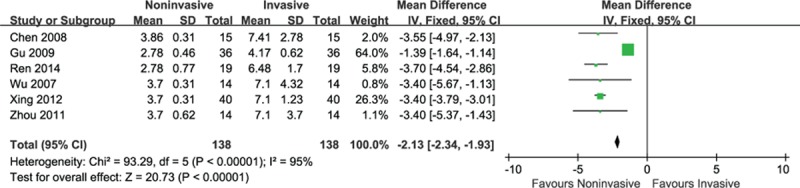
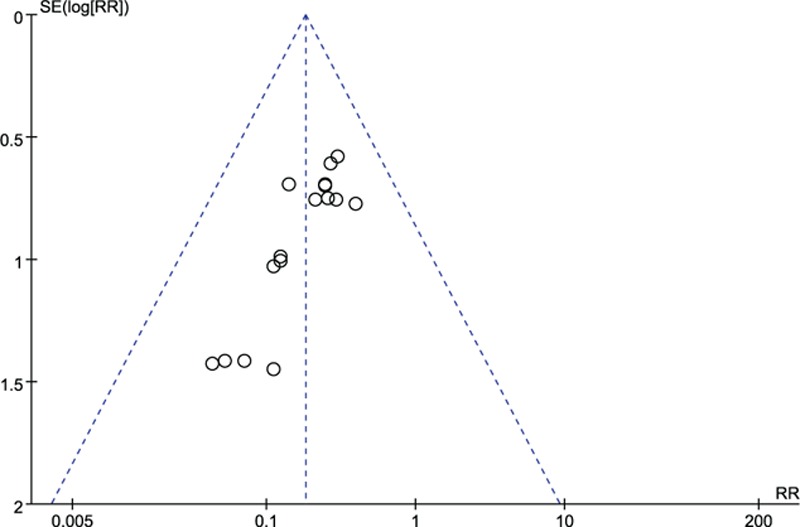
The aim of the study was to comprehensively examine the efficacy and safety of noninvasive ventilation used at the pulmonary infection control (PIC) window for acute respiratory failure (ARF) in patients with acute exacerbations of chronic obstructive pulmonary disease (AECOPD).Seven electronic databases and relevant resources were searched to identify randomized controlled trials (RCTs) comparing patients using noninvasive ventilation at PIC window with those continuing receiving invasive ventilation. Retrieved citations were screened, risk of bias was assessed, and data were extracted by 2 independent review authors. Overall effect sizes were synthesized by using meta-analyses. Quality of evidence was rated by using Grading of Recommendations, Assessment, Development and Evaluation approach.A total of 17 trials involving 959 participants were included for this review. Compared with continuous invasive ventilation, noninvasive ventilation used at PIC window significantly reduced mortality, ventilator-associated pneumonia, weaning failures, reintubations, duration of invasive ventilation, total duration of mechanical ventilation, length of stay (LOS) in intensive care unit, and LOS in hospital as well as hospital costs. Of these, mortality significantly decreased (risk ratio = 0.27, 95% confidence interval: 0.17-0.42, P < 0.001) without significant heterogeneity (I = 0%, P = 0.99). Quality of evidence regarding the 9 outcomes across the included studies was rated from moderate to low.Use of noninvasive ventilation at PIC window showed beneficial effects across identified trials for ARF in AECOPD patients. Considering the absence of high quality of available evidence and the uncertainty of long-term effect of this intervention, a weak recommendation for clinical practice was generated, and further well-designed and adequately powered RCTs are required to validate this conclusion.
Conflict of interest statement
The authors have no conflicts of interest to disclose.
Figures
References
-
- Sinuff T, Keenan SP. Clinical practice guideline for the use of noninvasive positive pressure ventilation in COPD patients with acute respiratory failure. J Crit Care 2004;19:82–91. - PubMed
-
- Niederman MS, Ferranti RD, Zeigler A, et al. Respiratory infection complicating long-term tracheostomy. The implication of persistent gram-negative tracheobronchial colonization. Chest 1984;85:39–44. - PubMed
-
- Pingleton SK. Complications of acute respiratory failure. Am Rev Respir Dis 1988;137:1463–93. - PubMed
-
- Heyland DK, Cook DJ, Griffith L, et al. The attributable morbidity and mortality of ventilator-associated pneumonia in the critically ill patient. The Canadian Critical Trials Group. Am J Respir Crit Care Med 1999;159:1249–56. - PubMed
Publication types
MeSH terms
LinkOut - more resources
Full Text Sources
Other Literature Sources
