


Prolonged hemidiaphragmatic paresis following continuous interscalene brachial plexus block: A case report
- PMID: 27310984
- PMCID: PMC4998470
- DOI: 10.1097/MD.0000000000003891
Prolonged hemidiaphragmatic paresis following continuous interscalene brachial plexus block: A case report
Erratum in
-
Erratum: Medicine, Volume 95, Issue 24: Erratum.Medicine (Baltimore). 2016 Aug 7;95(31):e5074. doi: 10.1097/01.md.0000490009.39850.74. eCollection 2016 Aug. Medicine (Baltimore). 2016. PMID: 31265618 Free PMC article.
Abstract
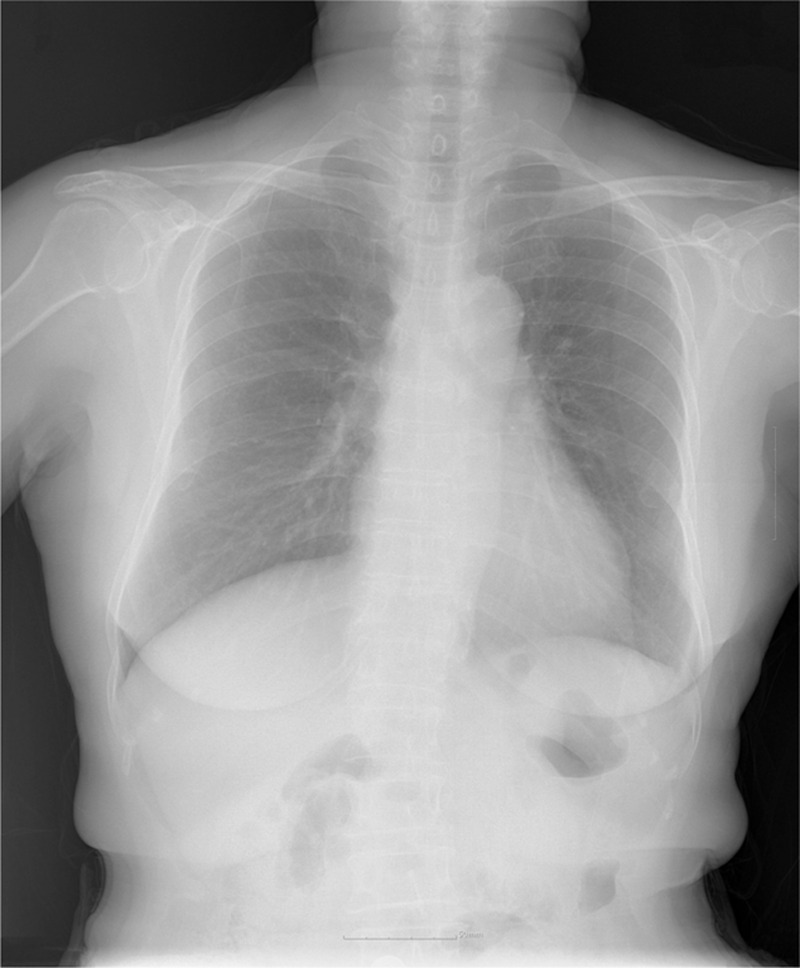
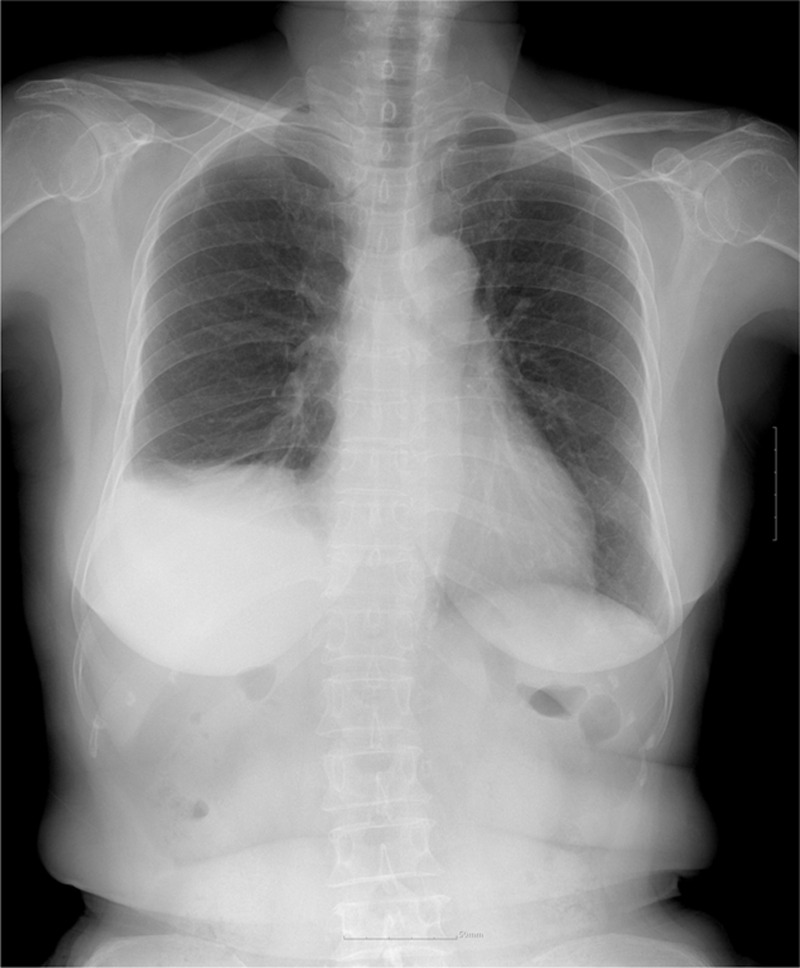
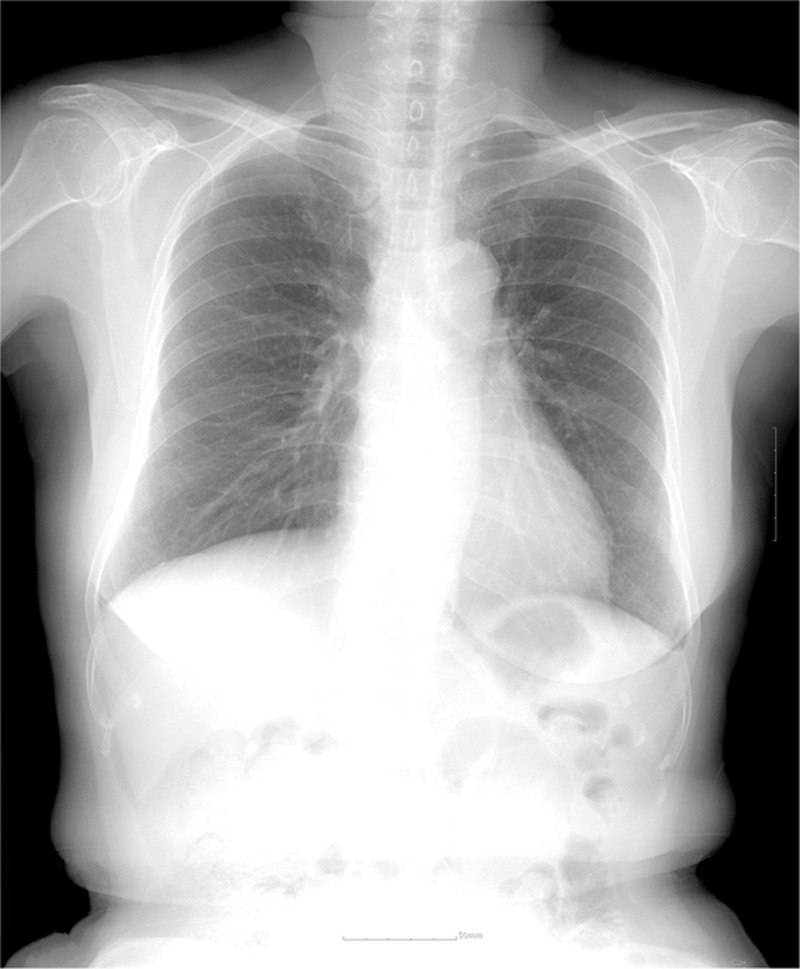
Interscalene brachial plexus block provides effective anesthesia and analgesia for shoulder surgery. One of the disadvantages of this technique is the risk of hemidiaphragmatic paresis, which can occur as a result of phrenic nerve block and can cause a decrease in the pulmonary function, limiting the use of the block in patients with reduced functional residual capacity or a preexisting pulmonary disease. However, it is generally transient and is resolved over the duration of the local anesthetic's action.We present a case of a patient who experienced prolonged hemidiaphragmatic paresis following a continuous interscalene brachial plexus block for the postoperative pain management of shoulder surgery, and suggest a mechanism that may have led to this adverse effect.Nerve injuries associated with peripheral nerve blocks may be caused by several mechanisms. Our findings suggest that perioperative nerve injuries can occur as a result of combined mechanical and chemical injuries.
Conflict of interest statement
The authors have no conflicts of interest to disclose.
Figures
References
-
- Urmey WF, Talts KH, Sharrock NE. One hundred percent incidence of hemidiaphragmatic paresis associated with interscalene brachial plexus anesthesia as diagnosed by ultrasonography. Anesth Analg 1991;72:498–503. - PubMed
-
- Urmey WF, McDonald M. Hemidiaphragmatic paresis during interscalene brachial plexus block: effects on pulmonary function and chest wall mechanics. Anesth Analg 1992;74:352–7. - PubMed
-
- Ediale KR, Myung CR, Neuman GG. Prolonged hemidiaphragmatic paralysis following interscalene brachial plexus block. J Clin Anesth 2004;16:573–5. - PubMed
Publication types
MeSH terms
Substances
LinkOut - more resources
Full Text Sources
Other Literature Sources
Medical
