. 2016 Jun 28;16(1):201-212.
doi: 10.1016/j.celrep.2016.05.062. Epub 2016 Jun 16.

Hepatic Fatty Acid Oxidation Restrains Systemic Catabolism during Starvation

Affiliations

Hepatic Fatty Acid Oxidation Restrains Systemic Catabolism during Starvation

Jieun Lee et al. Cell Rep. .

Abstract

The liver is critical for maintaining systemic energy balance during starvation. To understand the role of hepatic fatty acid β-oxidation on this process, we generated mice with a liver-specific knockout of carnitine palmitoyltransferase 2 (Cpt2(L-/-)), an obligate step in mitochondrial long-chain fatty acid β-oxidation. Fasting induced hepatic steatosis and serum dyslipidemia with an absence of circulating ketones, while blood glucose remained normal. Systemic energy homeostasis was largely maintained in fasting Cpt2(L-/-) mice by adaptations in hepatic and systemic oxidative gene expression mediated in part by Pparα target genes including procatabolic hepatokines Fgf21, Gdf15, and Igfbp1. Feeding a ketogenic diet to Cpt2(L-/-) mice resulted in severe hepatomegaly, liver damage, and death with a complete absence of adipose triglyceride stores. These data show that hepatic fatty acid oxidation is not required for survival during acute food deprivation but essential for constraining adipocyte lipolysis and regulating systemic catabolism when glucose is limiting.


Conflict of interest statement

Conflict of Interest

The authors have no competing financial interests.

Figures
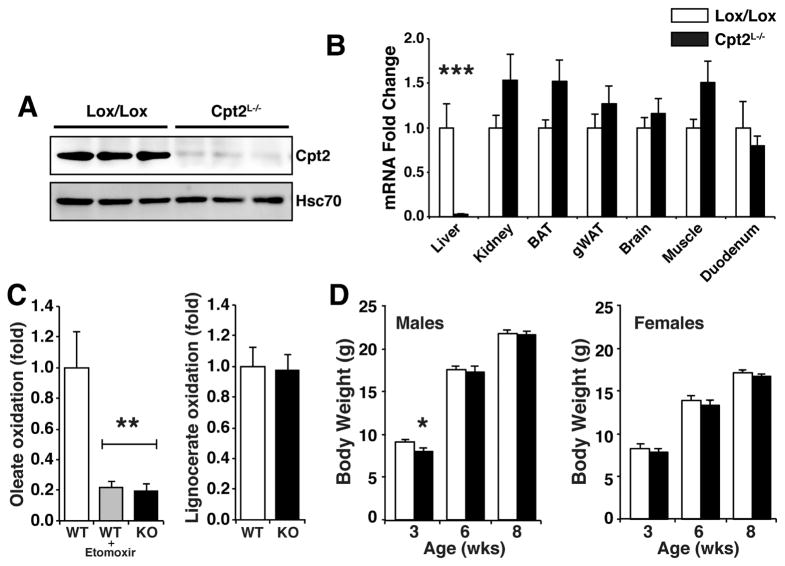
Figure 1
Figure 1. Characterization of mice with a liver specific KO of CPT2
(A) Western blot for CPT2 in liver of Cpt2lox/lox and Cpt2L−/− mice. (B) mRNA for Cpt2 across different tissues (n=6). (C) Oxidation of 1-14C-oleic acid and 1-14C-Lignoceric acid to 14CO2 in liver slices of Cpt2lox/lox and Cpt2L−/− mice (n=5). (D) Body weights of Cpt2lox/lox and Cpt2L−/− male and female mice fed a normal chow diet (males, n=14-23; females, n=8-12). Data are expressed as mean ± SEM. *p<0.05; **p<0.01; ***p<0.001.
Figure 2
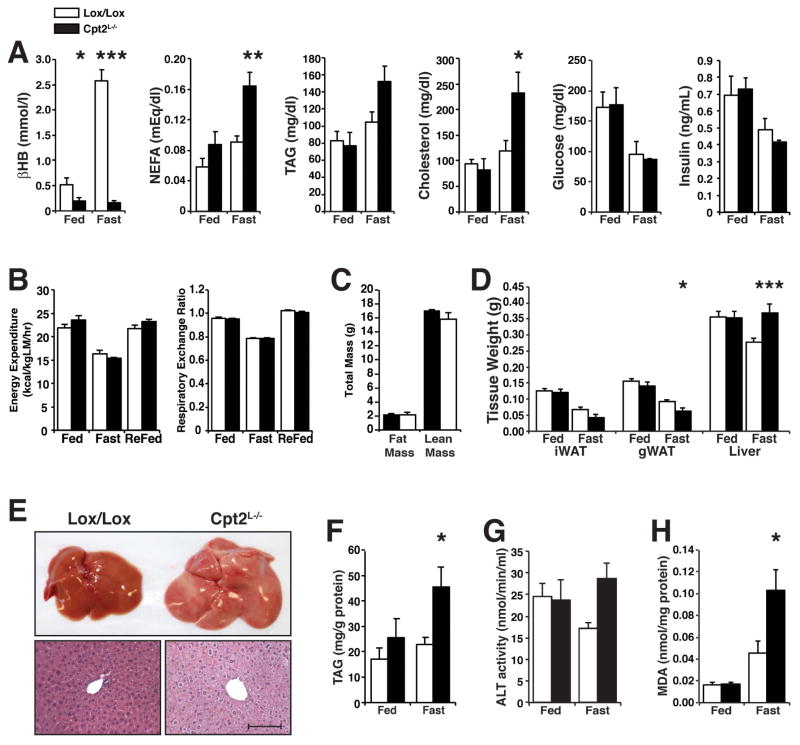
Figure 2. Liver and systemic deficits in fed and 24hr fasted Cpt2L−/− mice
(A) Serum metabolites in Cpt2lox/lox and Cpt2L−/− mice (n=6). (B) Energy expenditure and respiratory exchange ratio of Cpt2lox/lox and Cpt2L−/− mice under fed, fast and refed conditions (males, n=5-7). (C) Total fat and lean mass of Cpt2lox/lox and Cpt2L−/− male mice (n=5-7). (D) Wet weights of fed or 24 hour fasted iWAT, gWAT, and liver for Cpt2lox/lox and Cpt2L−/− mice (n=6-10). (E) Gross and histological morphology of livers from 24 hr fasted Cpt2lox/lox and Cpt2L−/− mice. Scale bar equals 100 μM. (F) Triglyceride levels from liver homogenates of fed and 24 hr fasted Cpt2lox/lox and Cpt2L−/− mice (n=5). (G) Liver damage measured by serum ALT activity of fed and 24h fasted Cpt2lox/lox and Cpt2L−/− mice (n=5). (H) TBARS assay measuring lipid peroxidation from liver of fed and 24 hr fasted Cpt2lox/lox and Cpt2L−/− mice (n=5). Data are expressed as mean ± SEM. *p<0.05; **p<0.01; ***p<0.001.
Figure 3
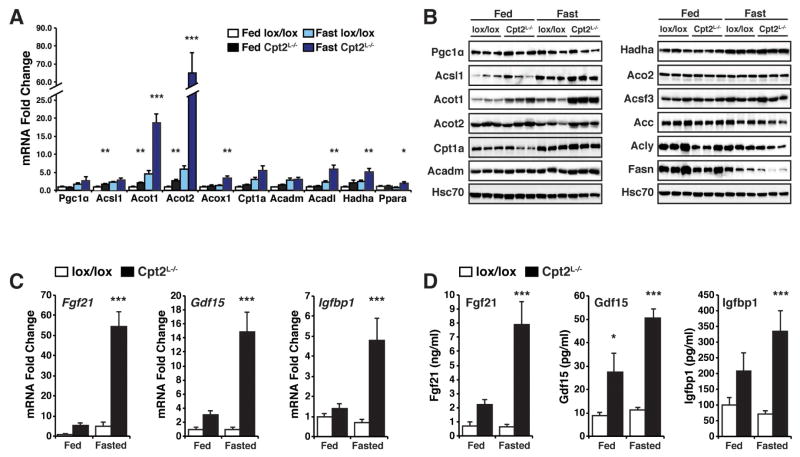
Figure 3. Loss of hepatic fatty acid oxidation induces expression of fatty acid oxidative genes
(A) Gene expression of fatty acid oxidation genes in liver of fed and 24 hr fasted Cpt2lox/lox and Cpt2L−/− mice (n=6). (B) Western blots of proteins in fatty acid metabolism. Composite of 8 blots. All blots were normalized to Hsc70 (Figure S2). (C) Liver mRNA (n=6) of Fgf21, Gdf15 and Igfbp1 in fed and 24 hr fasted Cpt2lox/lox and Cpt2L−/− mice. (D) Serum concentrations (n=8) of Fgf21, Gdf15 and Igfbp1 in fed and 24 hr fasted Cpt2lox/lox and Cpt2L−/− mice. Data are expressed as mean ± SEM. *p<0.05; **p<0.01; ***p<0.001.
Figure 4
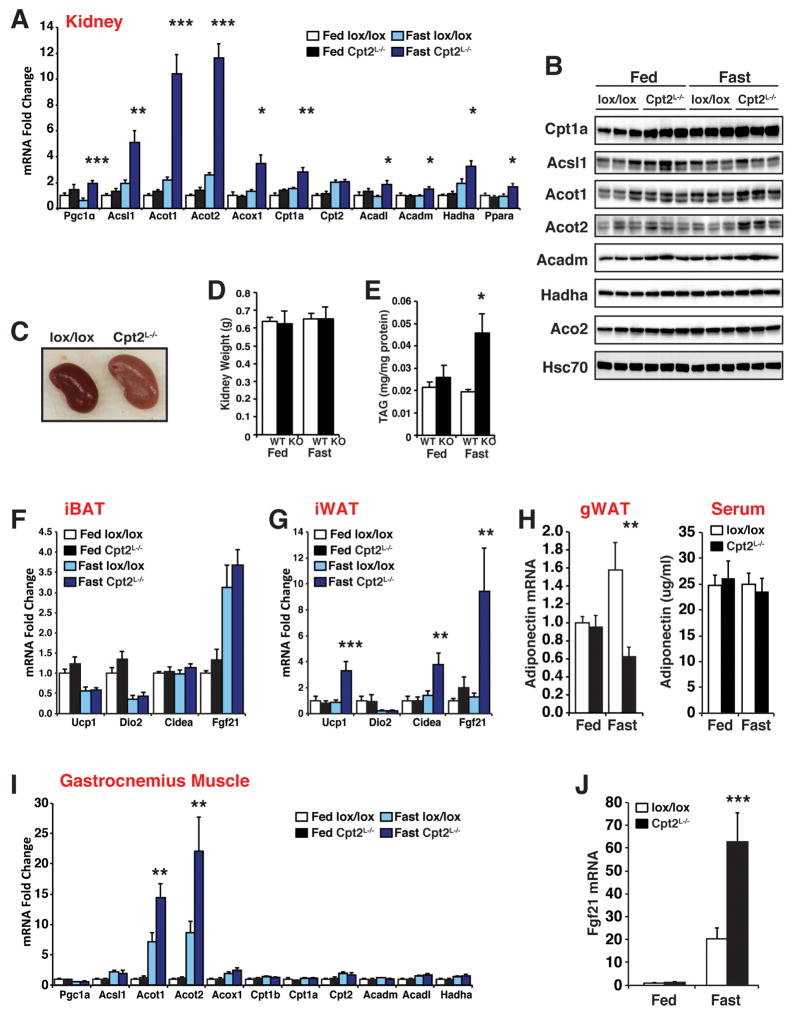
Figure 4. Loss of hepatic fatty acid oxidation results in compensation from the kidney, muscle and adipose tissue
(A) Gene expression of fatty acid oxidation genes in the kidney of fed and 24 hr fasted Cpt2lox/lox and Cpt2L−/− mice (n=6). (B) Western blots of proteins in fatty acid metabolism. Composite of 5 blots. All blots were normalized to Hsc70 (Figure S3). (C) Gross kidney morphology in 24 hr fasted Cpt2lox/lox and Cpt2L−/− mice. (D) Kidney wet weight of fed and 24 hr fasted Cpt2lox/lox and Cpt2L−/− mice (n=6-10). (E) Kidney TAG content of fed and 24 hr fasted Cpt2lox/lox and Cpt2L−/− mice (n=5). (F) iBAT gene expression of fed and 24 hr fasted Cpt2lox/lox and Cpt2L−/− mice (n=6). (G) iWAT gene expression of fed and 24 hr fasted Cpt2lox/lox and Cpt2L−/− mice (n=6). (H) gWAT adiponectin mRNA (n=6) and Adiponectin serum concentration (n=8) of fed and 24 hr fasted Cpt2lox/lox and Cpt2L−/− mice. (I) Gene expression of fatty acid oxidation genes in the gastrocnemius muscle of fed and 24 hr fasted Cpt2lox/lox and Cpt2L−/− mice (n=6). (J) Gastrocnemius muscle mRNA of Fgf21 in fed and 24 hr fasted Cpt2lox/lox and Cpt2L−/− mice (n=6). Data are expressed as mean ± SEM. *p<0.05; **p<0.01; ***p<0.001.
Figure 5
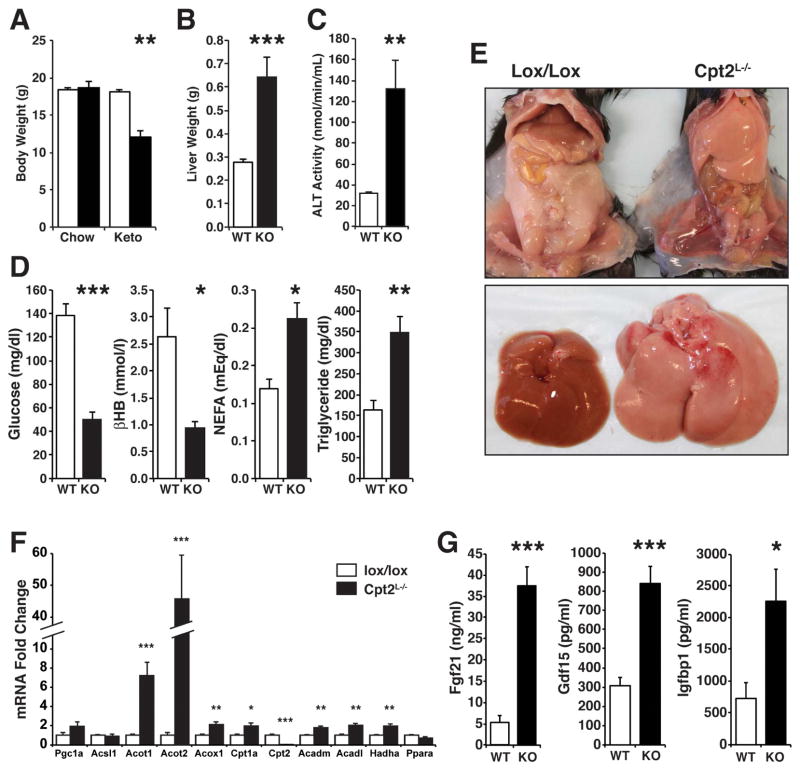
Figure 5. A ketogenic diet results in hypoglycemia, a depletion of adipose triglyceride and eventually lethality in Cpt2L−/− mice
(A) Body weights of Cpt2lox/lox and Cpt2L−/− mice fed a normal chow or ketogenic diet for 6 days (normal chow, n=6-10; ketogenic diet, n=5-6). (B) Wet weight of liver from Cpt2lox/lox and Cpt2L−/− mice fed a ketogenic diet for 6 days (n=5-6). (C) Liver damage measured by serum ALT activity of Cpt2lox/lox and Cpt2L−/− mice fed a ketogenic diet (n=5). (D) Serum metabolites in Cpt2lox/lox and Cpt2L−/− mice after a 6-day ketogenic diet (n=5-6). (E) Gross morphology of Cpt2lox/lox and Cpt2L−/− mice fed a ketogenic diet. (F) Gene expression of fatty acid oxidation genes in the liver of Cpt2lox/lox and Cpt2L−/− mice fed a ketogenic diet (n=6). (G) Serum concentrations of Fgf21, Gdf15 and Igfbp1 of Cpt2lox/lox and Cpt2L−/− mice fed a ketogenic diet (n=6). Data are expressed as mean ± SEM. *p<0.05; **p<0.01; ***p<0.001.
Figure 6
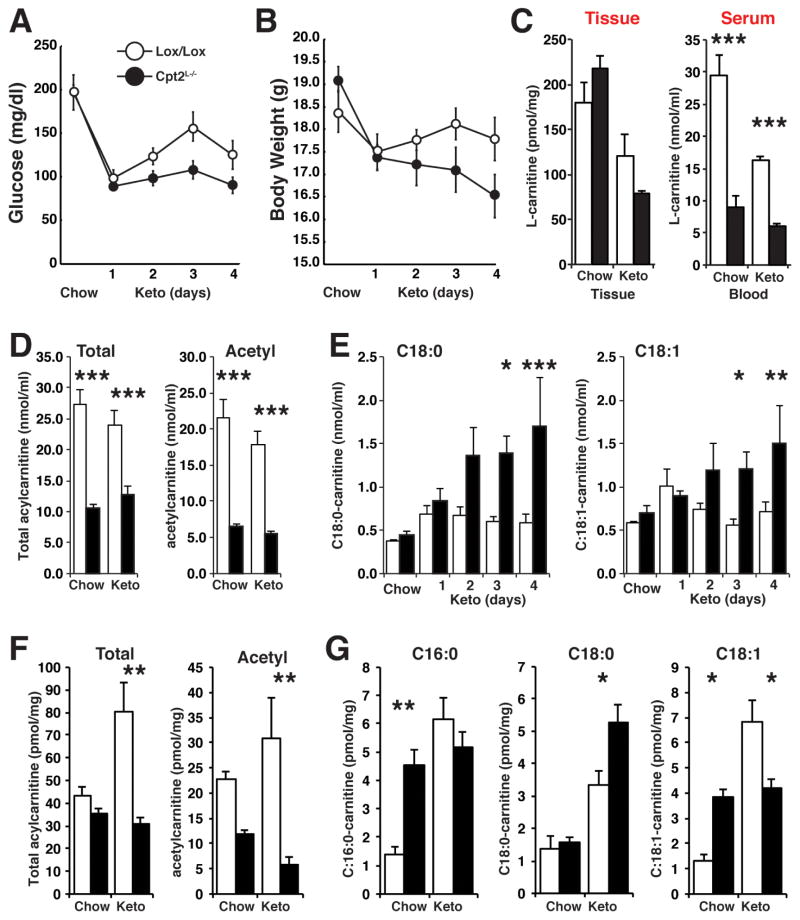
Figure 6. Time course of body weight, blood glucose and acylcarnitines in Cpt2L−/− mice fed a ketogenic diet
(A) Blood glucose of Cpt2lox/lox and Cpt2L−/− mice during a 4-day ketogenic diet (n=5). (B) Body weight of Cpt2lox/lox and Cpt2L−/− mice during a 4-day ketogenic diet (n=5). (C) Liver and blood L-carnitine of Cpt2lox/lox and Cpt2L−/− mice following a 4-day ketogenic diet (n=5). (D) Total blood acylcarnitines and acetylcarnitine of Cpt2lox/lox and Cpt2L−/− mice following a 4-day ketogenic diet (n=5). (E) Daily blood long chain (C18:0, C18:1) acylcarnitines of Cpt2lox/lox and Cpt2L−/− mice during a 4-day ketogenic diet (n=5). (F) Total liver acylcarnitines and acetylcarnitine of Cpt2lox/lox and Cpt2L−/− mice following a 4-day ketogenic diet (n=4-5). (G) Total liver long chain (C16:0, C18:0, C18:1) acylcarnitines and acetylcarnitine of Cpt2lox/lox and Cpt2L−/− mice following a 4-day ketogenic diet (n=4-5). Data are expressed as mean ± SEM. *p<0.05; **p<0.01; ***p<0.001.

References

    1. Cahill GF., Jr Fuel metabolism in starvation. Annu Rev Nutr. 2006;26:1–22. - PubMed
    1. Owen OE, Morgan AP, Kemp HG, Sullivan JM, Herrera MG, Cahill GF., Jr Brain metabolism during fasting. J Clin Invest. 1967;46(10):1589–95. - PMC - PubMed
    1. LIJ, Mandel H, Oostheim W, Ruiter JP, Gutman A, Wanders RJ. Molecular basis of hepatic carnitine palmitoyltransferase I deficiency. J Clin Invest. 1998;102(3):527–31. - PMC - PubMed
    1. Cotter DG, d’Avignon DA, Wentz AE, Weber ML, Crawford PA. Obligate role for ketone body oxidation in neonatal metabolic homeostasis. The Journal of biological chemistry. 2011;286(9):6902–10. - PMC - PubMed
    1. Mutel E, Gautier-Stein A, Abdul-Wahed A, Amigo-Correig M, Zitoun C, Stefanutti A, Houberdon I, Tourette JA, Mithieux G, Rajas F. Control of blood glucose in the absence of hepatic glucose production during prolonged fasting in mice: induction of renal and intestinal gluconeogenesis by glucagon. Diabetes. 2011;60(12):3121–31. - PMC - PubMed

MeSH terms