Introducing a Fresh Cadaver Model for Ultrasound-guided Central Venous Access Training in Undergraduate Medical Education
- PMID: 27330672
- PMCID: PMC4899071
- DOI: 10.5811/westjem.2016.3.30069
Introducing a Fresh Cadaver Model for Ultrasound-guided Central Venous Access Training in Undergraduate Medical Education
Abstract
Introduction: Over the past decade, medical students have witnessed a decline in the opportunities to perform technical skills during their clinical years. Ultrasound-guided central venous access (USG-CVA) is a critical procedure commonly performed by emergency medicine, anesthesia, and general surgery residents, often during their first month of residency. However, the acquisition of skills required to safely perform this procedure is often deficient upon graduation from medical school. To ameliorate this lack of technical proficiency, ultrasound simulation models have been introduced into undergraduate medical education to train venous access skills. Criticisms of simulation models are the innate lack of realistic tactile qualities, as well as the lack of anatomical variances when compared to living patients. The purpose of our investigation was to design and evaluate a life-like and reproducible training model for USG-CVA using a fresh cadaver.
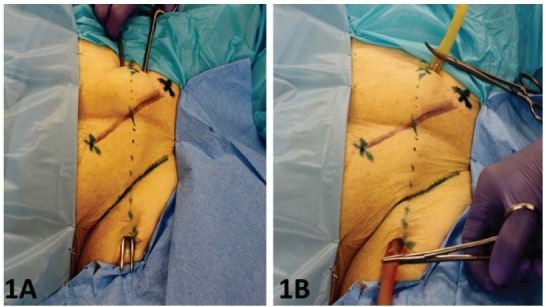
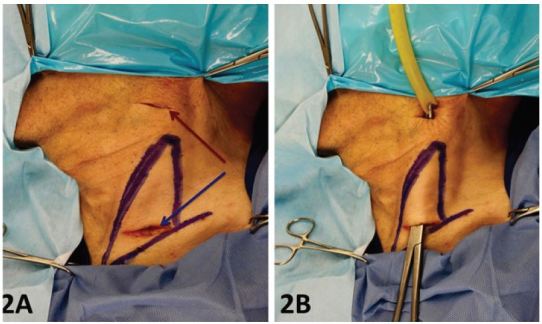
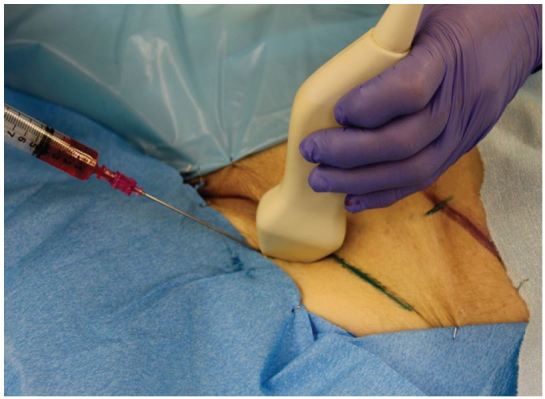
Methods: This was a cross-sectional study at an urban academic medical center. An 18-point procedural knowledge tool and an 18-point procedural skill evaluation tool were administered during a cadaver lab at the beginning and end of the surgical clerkship. During the fresh cadaver lab, procedure naïve third-year medical students were trained on how to perform ultrasound-guided central venous access of the femoral and internal jugular vessels. Preparation of the fresh cadaver model involved placement of a thin-walled latex tubing in the anatomic location of the femoral and internal jugular vein respectively.
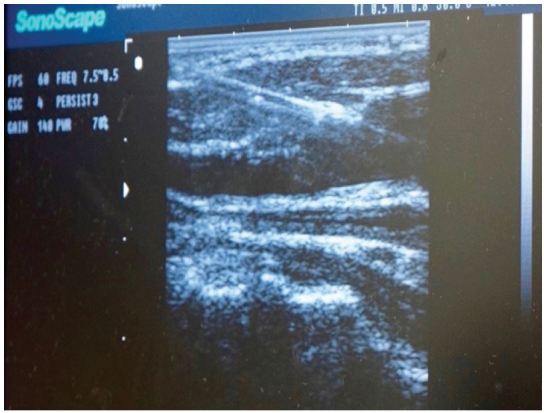
Results: Fifty-six third-year medical students participated in this study during their surgical clerkship. The fresh cadaver model provided high quality and lifelike ultrasound images despite numerous cannulation attempts. Technical skill scores improved from an average score of 3 to 12 (p<0.001) and procedural knowledge scores improved from an average score of 4 to 8 (p<0.001).
Conclusion: The use of this novel cadaver model prevented extravasation of fluid, maintained ultrasound-imaging quality, and proved to be an effective educational model allowing third-year medical students to improve and maintain their technical skills.
Figures
References
-
- Morton J, Anderson L, Frame F, et al. Back to the future: teaching medical students clinical procedures. Med Teach. 2006;28:723–8. - PubMed
-
- Talbott VA, Marks JA, Bodzin AS, et al. Technical skills acquisition in surgery-bound senior medical students: an evaluation of student assertiveness. J Surg Educ. 2012;69:529–35. - PubMed
-
- Fox RA, Ingham Clark CL, Scotland AD, et al. A study of pre-registration house officers’ clinical skills. Med Educ. 2000;34:1007–12. - PubMed
-
- Yudkowsky R, Loy G, York J. Ensuring medical student competency in basic procedural skills. Med Educ. 2005;39:515–6. - PubMed
-
- Evans DE, Wood DF, Roberts CM. The effect of an extended hospital induction on perceived confidence and assessed clinical skills of newly qualified pre-registration house officers. Med Educ. 2004;38:998–1001. - PubMed
MeSH terms
LinkOut - more resources
Full Text Sources
Other Literature Sources
Miscellaneous