


Calcineurin β protects brain after injury by activating the unfolded protein response
- PMID: 27334877
- PMCID: PMC4983525
- DOI: 10.1016/j.nbd.2016.06.011
Calcineurin β protects brain after injury by activating the unfolded protein response
Abstract
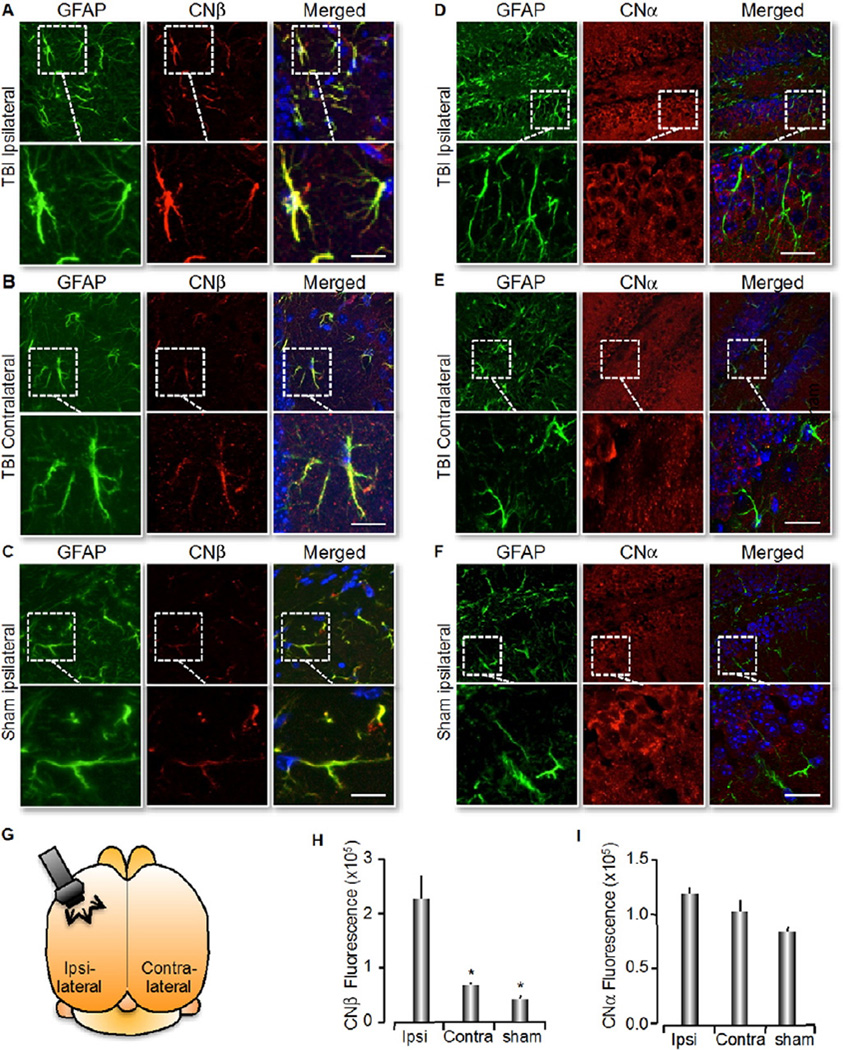
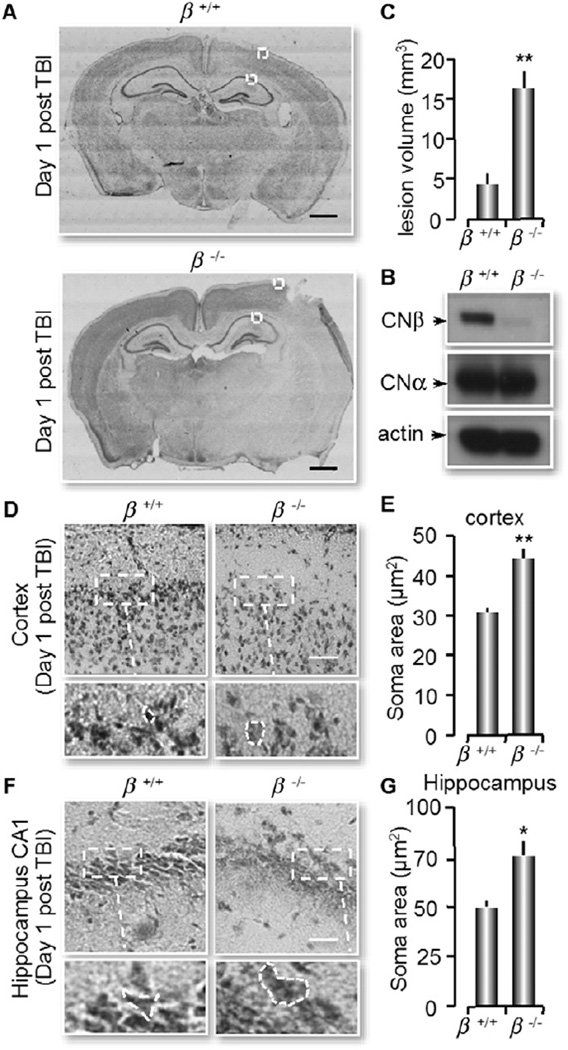
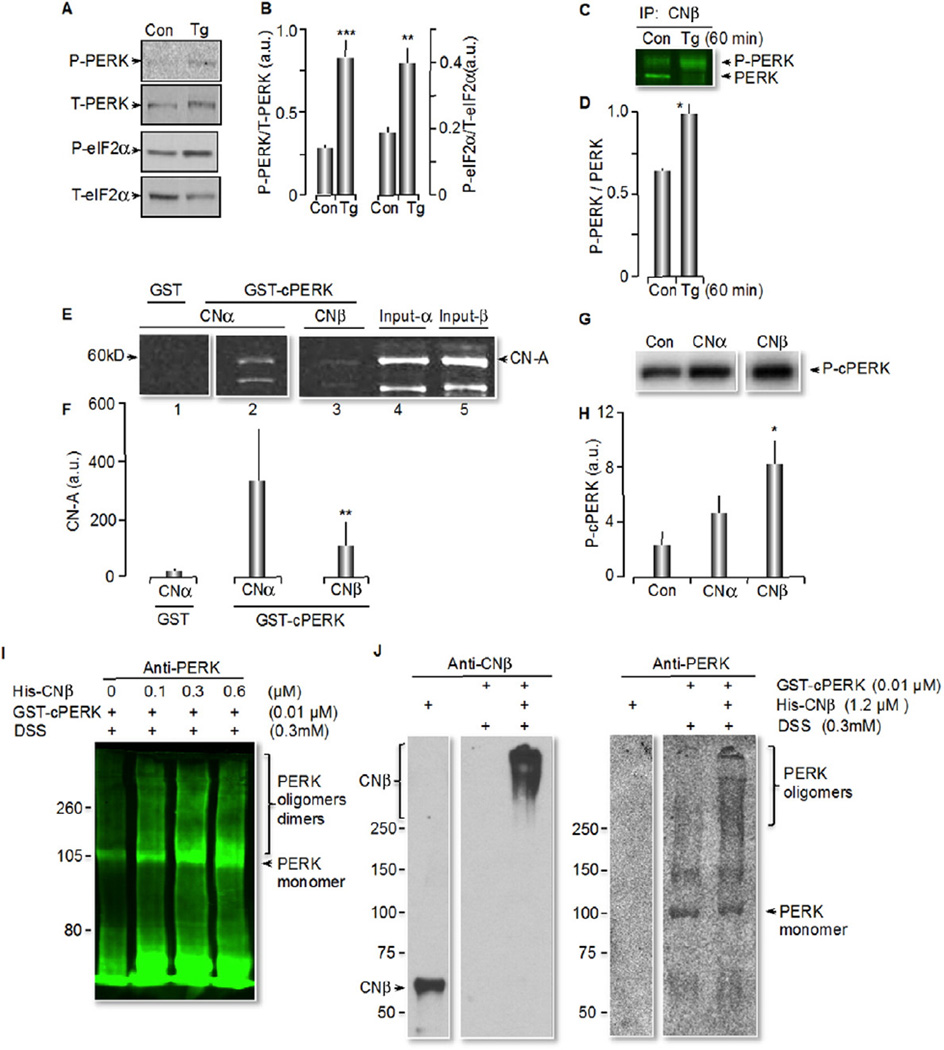
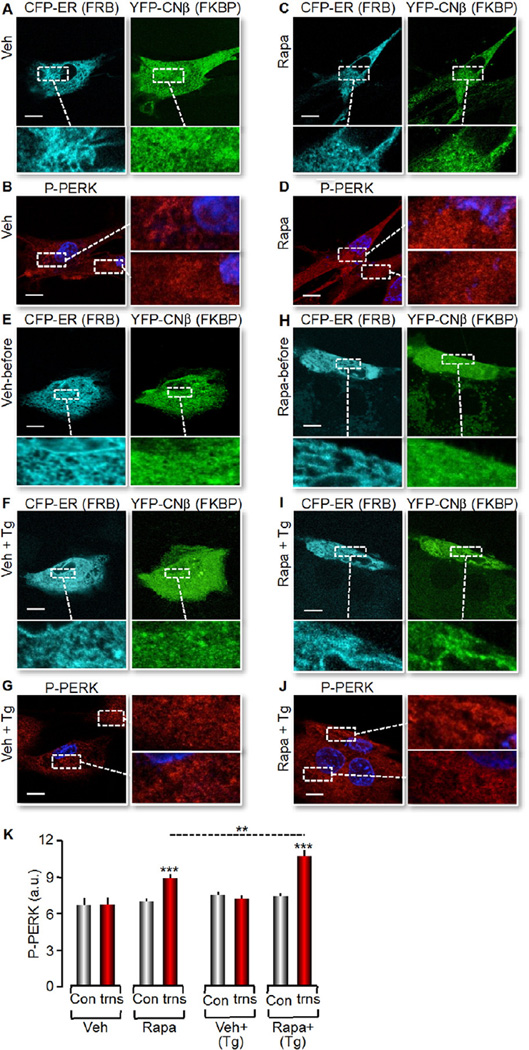
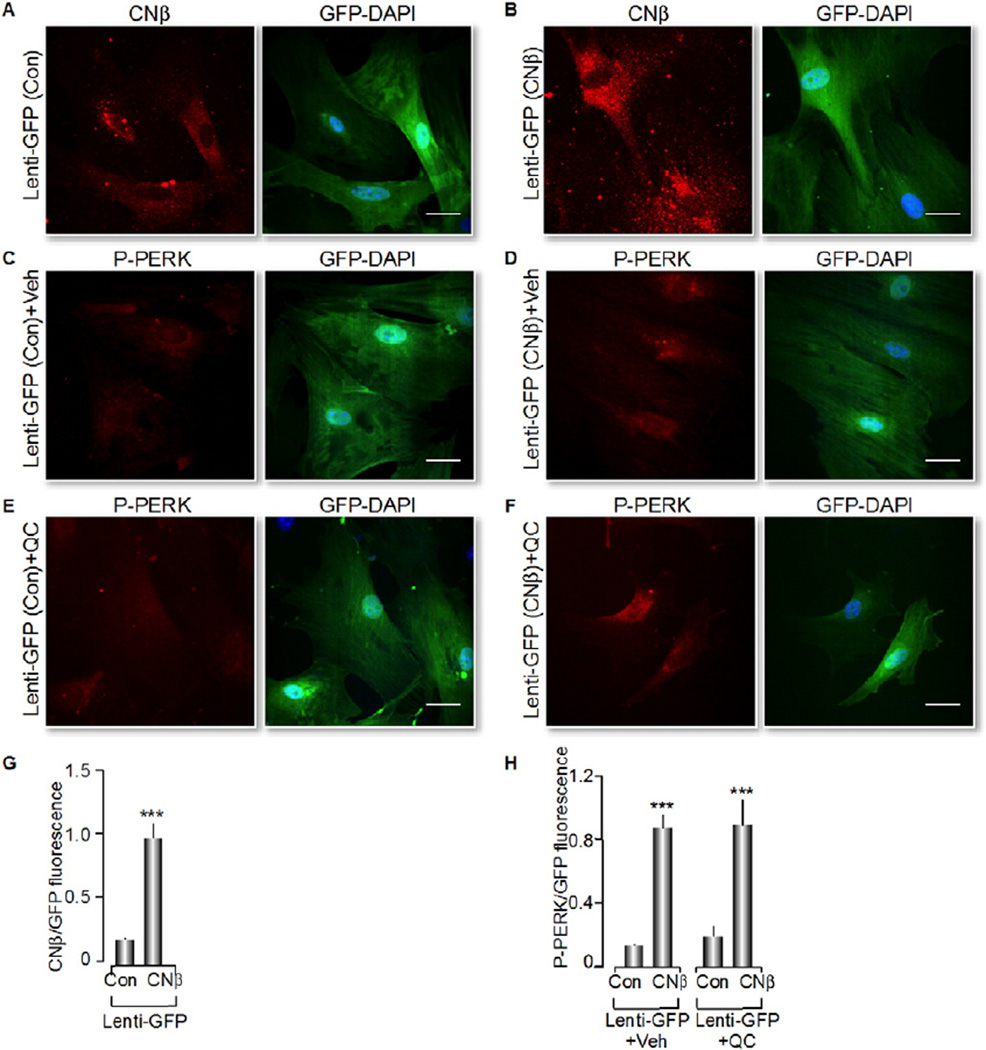
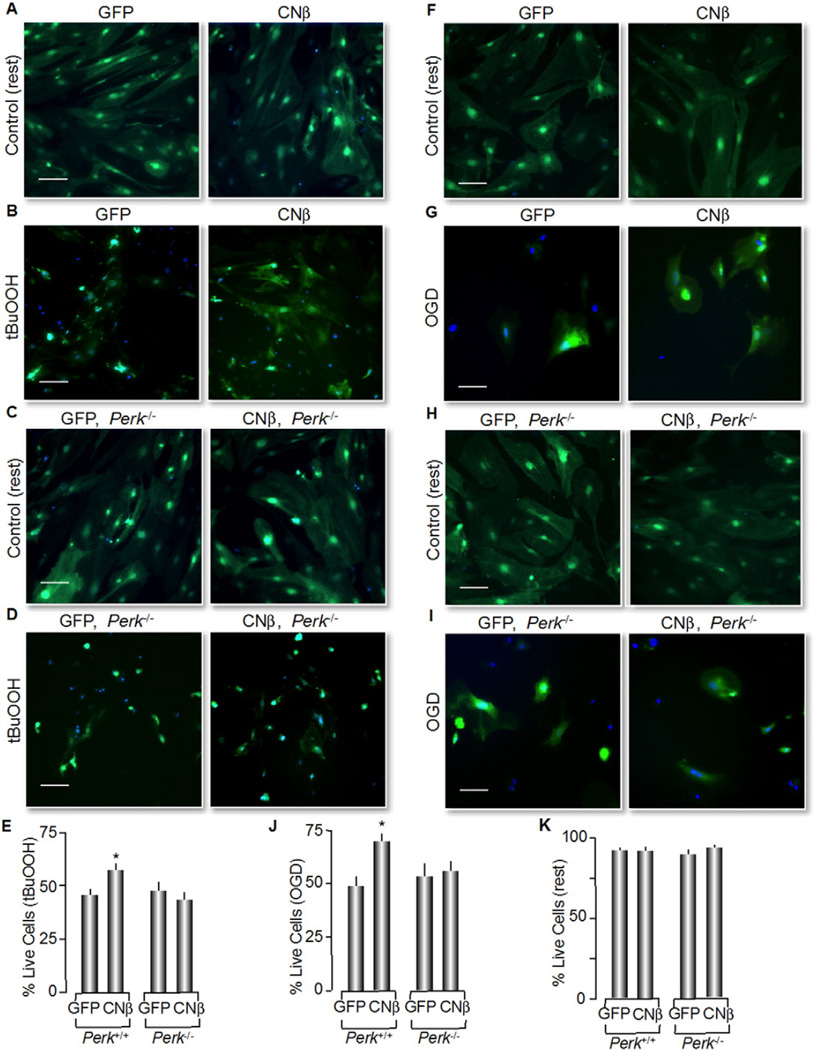
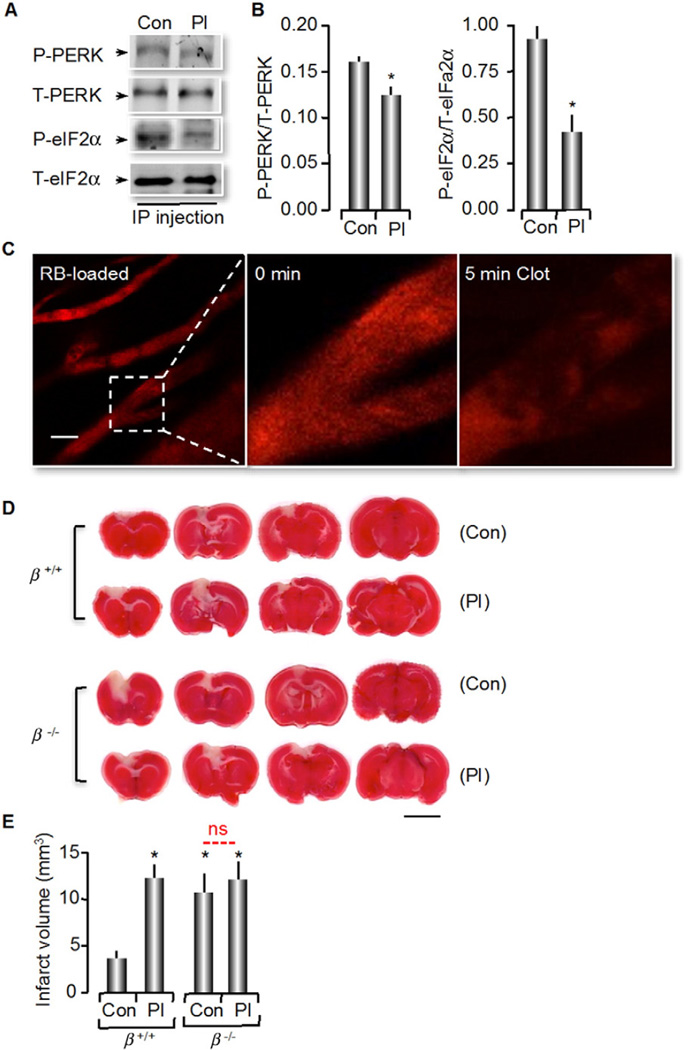
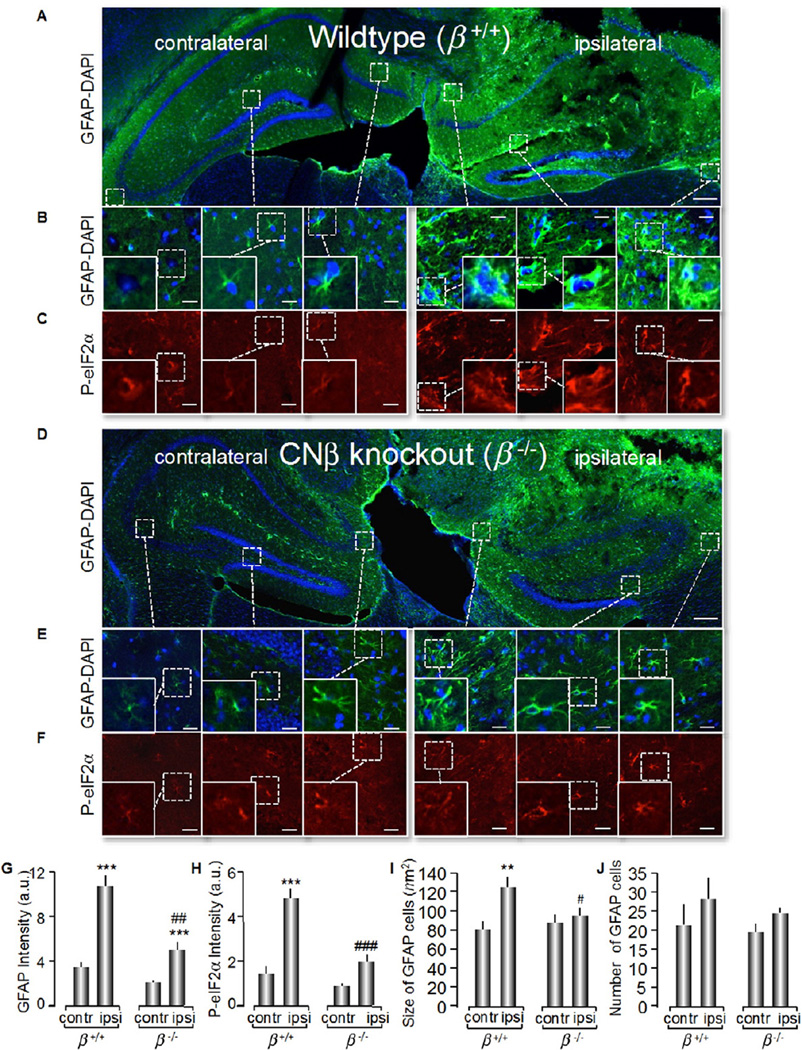
The Ca(2+)-dependent phosphatase, calcineurin (CN) is thought to play a detrimental role in damaged neurons; however, its role in astrocytes is unclear. In cultured astrocytes, CNβ expression increased after treatment with a sarco/endoplasmic reticulum Ca(2+)-ATPase inhibitor, thapsigargin, and with oxygen and glucose deprivation, an in vitro model of ischemia. Similarly, CNβ was induced in astrocytes in vivo in two different mouse models of brain injury - photothrombotic stroke and traumatic brain injury (TBI). Immunoprecipitation and chemical activation dimerization methods pointed to physical interaction of CNβ with the unfolded protein response (UPR) sensor, protein kinase RNA-like endoplasmic reticulum kinase (PERK). In accordance, induction of CNβ resulted in oligomerization and activation of PERK. Strikingly, the presence of a phosphatase inhibitor did not interfere with CNβ-mediated activation of PERK, suggesting a hitherto undiscovered non-enzymatic role for CNβ. Importantly, the cytoprotective function of CNβ was PERK-dependent both in vitro and in vivo. Loss of CNβ in vivo resulted in a significant increase in cerebral damage, and correlated with a decrease in astrocyte size, PERK activity and glial fibrillary acidic protein (GFAP) expression. Taken together, these data reveal a critical role for the CNβ-PERK axis in not only prolonging astrocyte cell survival but also in modulating astrogliosis after brain injury.
Keywords: Calcium; Endoplasmic reticulum; Ischemia; Stress; Traumatic brain injury.
Copyright © 2016 The Authors. Published by Elsevier Inc. All rights reserved.
Conflict of interest statement
The authors declare that they have no conflict of interest.
Figures
References
-
- Agostinho P, Lopes JP, Velez Z, Oliveira CR. Overactivation of calcineurin induced by amyloid-beta and prion proteins. Neurochem. Int. 2008 Mayy;52(6):1226–1233. PubMed PMID: 18295934) - PubMed
-
- Axten JM, Medina JR, Feng Y, Shu A, Romeril SP, Grant SW, et al. Discovery of 7-methyl-5-(1-{[3-(trifluoromethyl)phenyl]acetyl}-2,3-dihydro-1H–indol-5-yl)-7H–p yrrolo[2,3-d]pyrimidin-4-amine (GSK2606414), a potent and selective first-in-class inhibitor of protein kinase R (PKR)-like endoplasmic reticulum kinase (PERK) J. Med. Chem. 2012 Aug 23;55(16):7193–7207. PubMed PMID: 22827572) - PubMed
-
- Badiola N, Penas C, Minano-Molina A, Barneda-Zahonero B, Fado R, Sanchez-Opazo G, et al. Induction of ER stress in response to oxygen-glucose deprivation of cortical cultures involves the activation of the PERK and IRE-1 pathways and of caspase-12. Cell Death Dis. 2011;2:e149. PubMed PMID: 21525936. Pubmed Central PMCID: 3122062. Epub 2011/04/29) - PMC - PubMed
-
- Bertolotti A, Zhang Y, Hendershot LM, Harding HP, Ron D. Dynamic interaction of BiP and ER stress transducers in the unfolded-protein response. Nat. Cell Biol. 2000 Junn;2(6):326–332. PubMed PMID: 10854322. Epub 2000/06/15. eng) - PubMed
MeSH terms
Substances
Grants and funding
LinkOut - more resources
Full Text Sources
Other Literature Sources
Molecular Biology Databases
Research Materials
Miscellaneous
