


Treatment and survival patterns of Chinese patients diagnosed with breast cancer between 2005 and 2009 in Southwest China: An observational, population-based cohort study
- PMID: 27336872
- PMCID: PMC4998310
- DOI: 10.1097/MD.0000000000003865
Treatment and survival patterns of Chinese patients diagnosed with breast cancer between 2005 and 2009 in Southwest China: An observational, population-based cohort study
Abstract
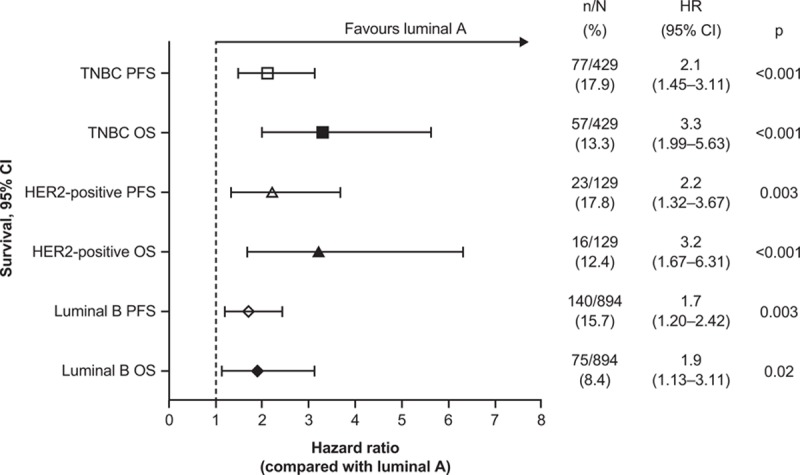
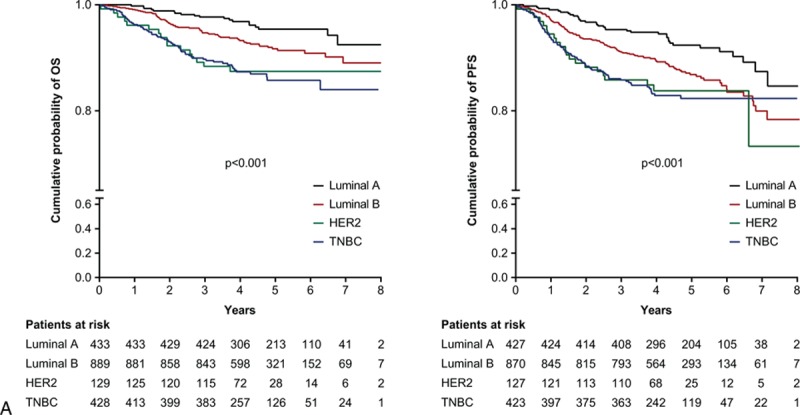
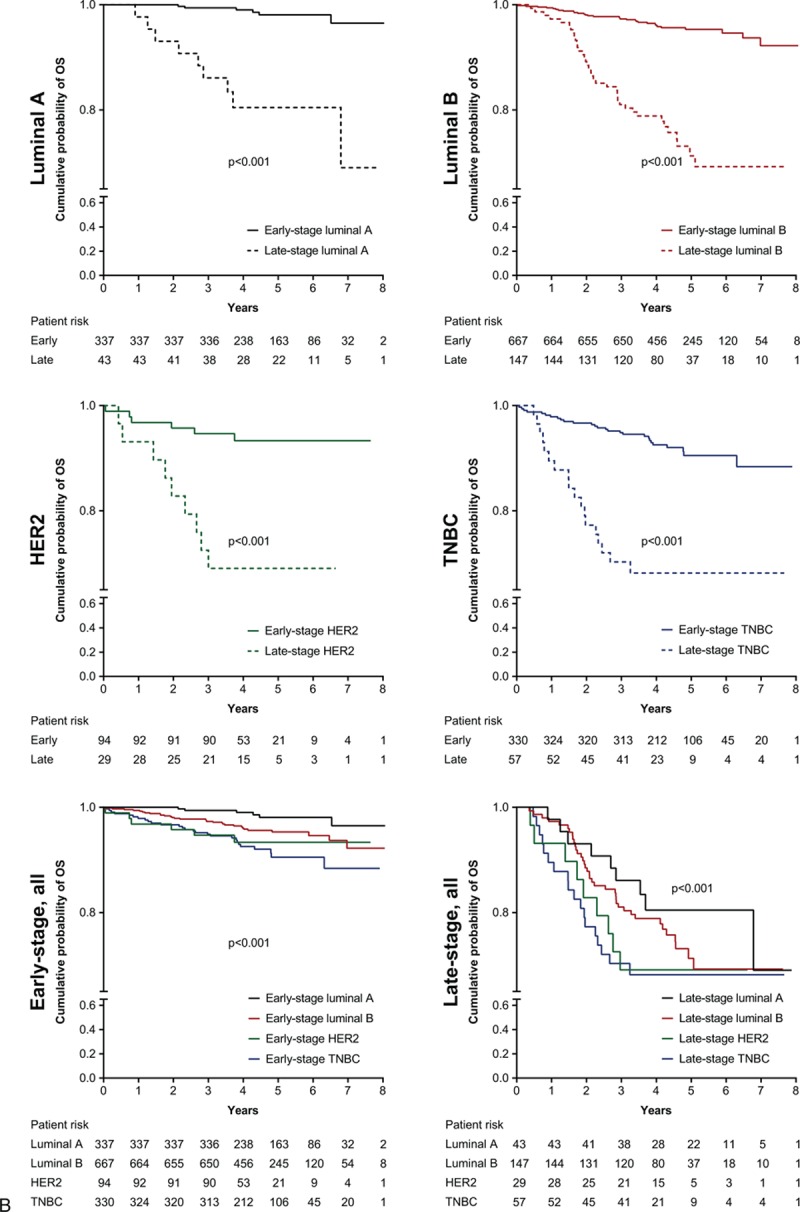
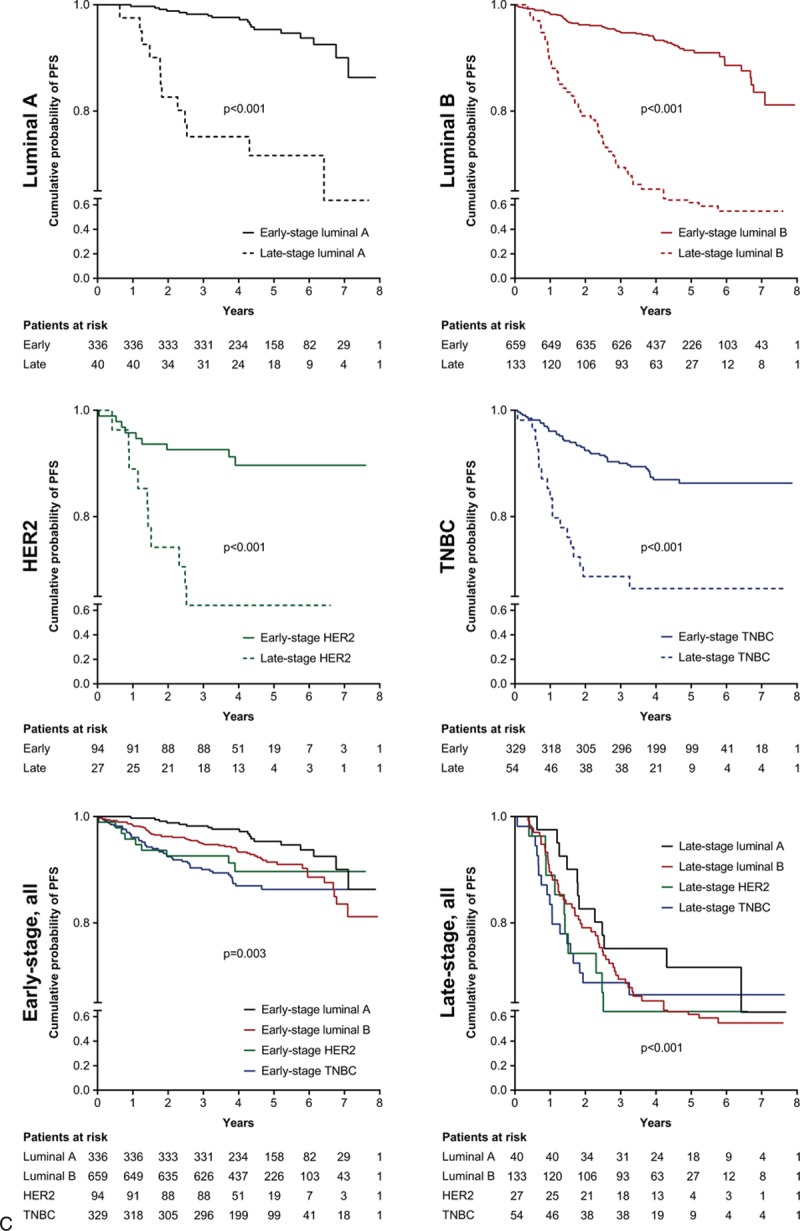
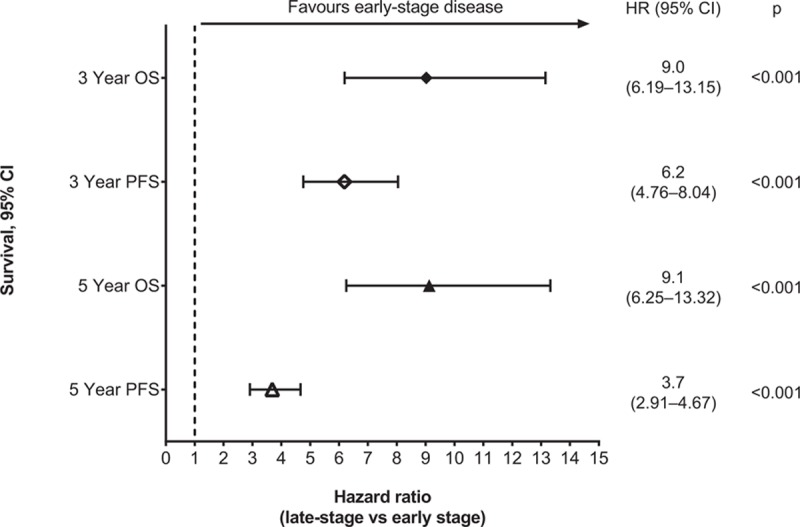
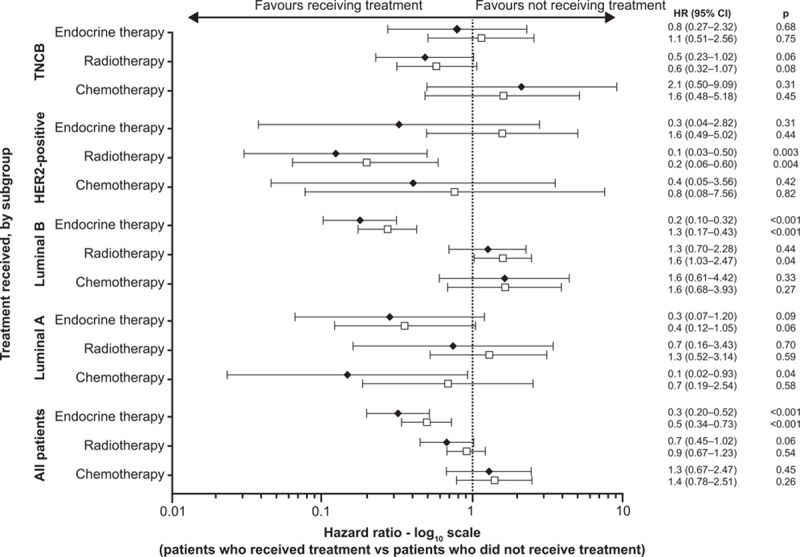
Breast cancer is a significant health issue both globally and within China. Here, we present epidemiological data for female patients diagnosed with breast cancer and treated at West China Hospital, Sichuan University, between 2005 and 2009. Patients who were diagnosed with breast cancer between 2005 and 2009 were enrolled. Data cut-off in this analysis was October 2013, allowing a minimum of 3 years' follow-up, or follow-up until death. Data were collected and subject to statistical analyses to assess relationships between patient and cancer characteristics, treatment patterns and long-term outcomes. A total of 2252 women with breast cancer were included in the analyses. Luminal B was the most common subtype of breast cancer and human epidermal growth factor 2 (HER2)-positive (nonluminal) was the least common. Most patients had early-stage disease (stage ≤IIIa) at diagnosis. Patients with luminal A appeared to have the best overall survival (OS), compared with other subtypes. Hormone-receptor positivity was associated with improved prognosis, compared with negativity (OS hazard ratio [HR] 0.5). Late-stage compared with early-stage disease at diagnosis was associated with much poorer OS across all patients and tumor subtypes. Clear differences were apparent between breast cancer subtypes and the response to treatment. The interaction of breast cancer subtypes, treatments and disease stage is complex. One of the most important factors for improved prognosis is diagnosis and treatment at an early-stage of disease. With breast cancer becoming an increasingly important health concern, this highlights the importance of establishing systems and protocols to identify and treat patients with breast cancer as early as possible.
Conflict of interest statement
JW, XL, YC, and WG are employees of AstraZeneca. The other authors declare no relevant conflicts of interest.
Figures
References
-
- Ferlay J, Soerjomataram I, Ervik M, et al. GLOBOCAN 2012: Estimated Cancer Incidence, Mortality and Prevalence Worldwide in 2012, Vol. 2015, 2015.
-
- Ziegler RG, Anderson WF, Gail MH. Increasing breast cancer incidence in China: the numbers add up. J Natl Cancer Inst 2008; 100:1339–1341. - PubMed
-
- Yang L, Parkin DM, Ferlay J, Li L, Chen Y. Estimates of cancer incidence in China for 2000 and projections for 2005. Cancer Epidemiol Biomarkers Prev 2005; 14:243–250. - PubMed
-
- Kenyon M, Mayer DK, Owens AK. Late and long-term effects of breast cancer treatment and surveillance management for the general practitioner. J Obstet Gynecol Neonatal Nurs 2014; 43:382–398. - PubMed
Publication types
MeSH terms
LinkOut - more resources
Full Text Sources
Other Literature Sources
Medical
Research Materials
Miscellaneous
