


Foetal bovine serum-derived exosomes affect yield and phenotype of human cardiac progenitor cell culture
- PMID: 27340620
- PMCID: PMC4916547
- DOI: 10.15171/bi.2016.03
Foetal bovine serum-derived exosomes affect yield and phenotype of human cardiac progenitor cell culture
Abstract
Introduction: Cardiac progenitor cells (CPCs) represent a powerful tool in cardiac regenerative medicine. Pre-clinical studies suggest that most of the beneficial effects promoted by the injected cells are due to their paracrine activity exerted on endogenous cells and tissue. Exosomes are candidate mediators of this paracrine effects. According to their potential, many researchers have focused on characterizing exosomes derived from specific cell types, but, up until now, only few studies have analyzed the possible in vitro effects of bovine serum-derived exosomes on cell proliferation or differentiation.
Methods: The aim of this study was to analyse, from a qualitative and quantitative point of view, the in vitro effects of bovine serum exosomes on human CPCs cultured either as cardiospheres or as monolayers of cardiosphere-forming cells.
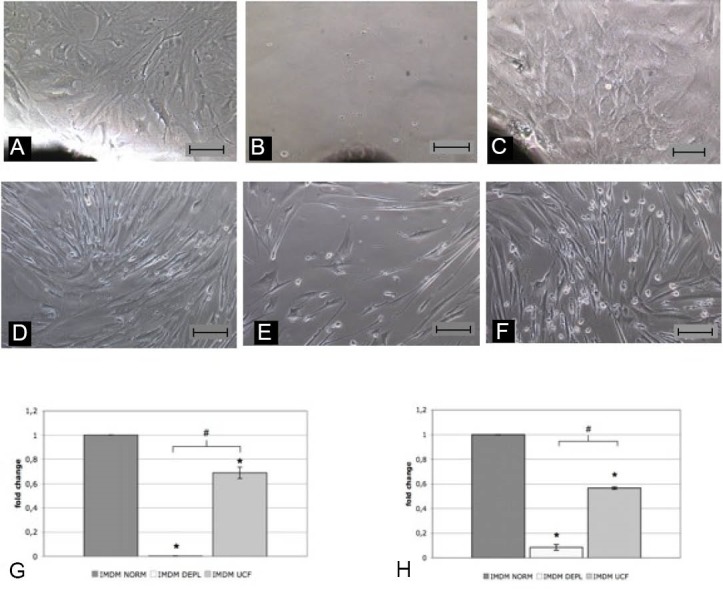
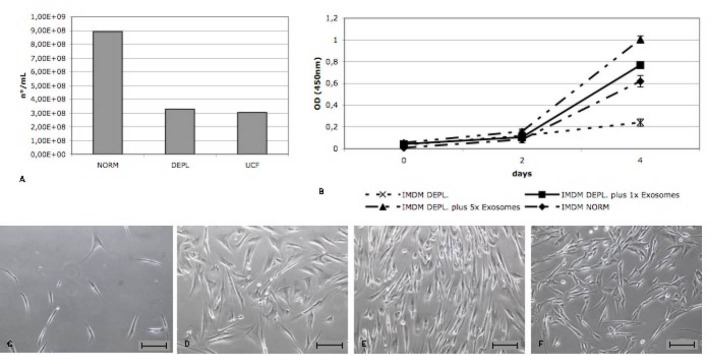
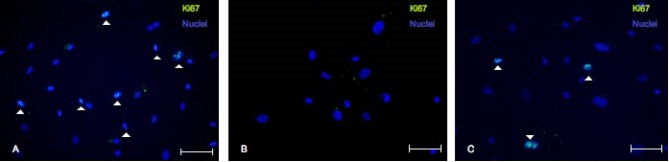
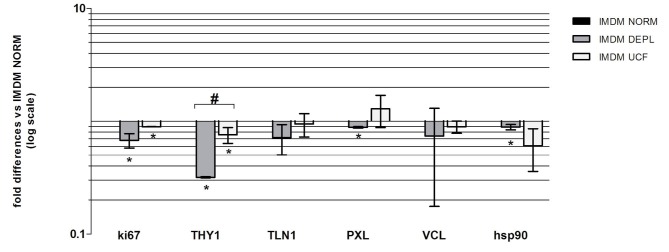
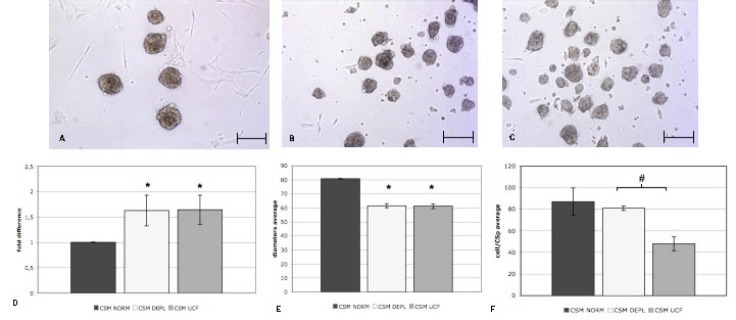
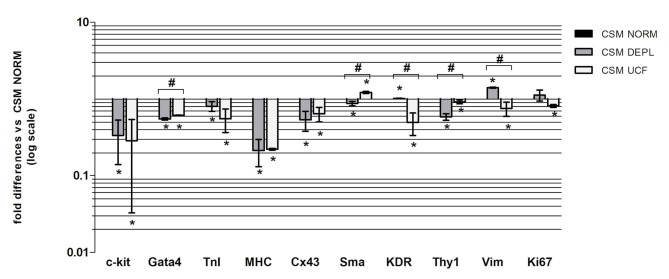
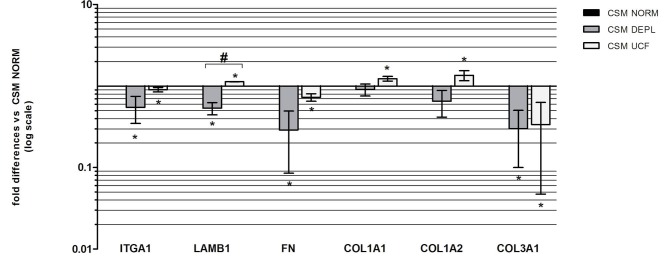
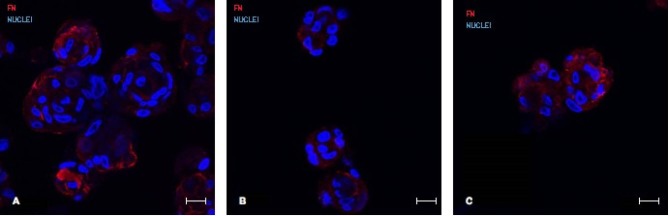
Results: Effects on proliferation, yield and molecular patterning were detected. We show, for the first time, that exogenous bovine exosomes support the proliferation and migration of human cardiosphere-forming cells, and that their depletion affects cardiospheres formation, in terms of size, yield and extra-cellular matrix production.
Conclusion: These results stress the importance of considering differential biological effects of exogenous cell culture supplements on the final phenotype of primary human cell cultures.
Keywords: Cardiac progenitor cells; Extra-cellular matrix; FBS-derived exosomes; Proliferation.
Figures
References
-
- Terrovitis J, Lautamäki R, Bonios M, Fox J, Engles JM, Yu J. et al. Noninvasive quantification and optimization of acute cell retention by in vivo positron emission tomography after intramyocardial cardiac-derived stem cell delivery. J Am Coll Cardiol. 2009;54:1619–26. doi: 10.1016/j.jacc.2009.04.097. - DOI - PMC - PubMed
LinkOut - more resources
Full Text Sources
Other Literature Sources