


Current status of intragastric balloon for obesity treatment
- PMID: 27350727
- PMCID: PMC4917609
- DOI: 10.3748/wjg.v22.i24.5495
Current status of intragastric balloon for obesity treatment
Abstract
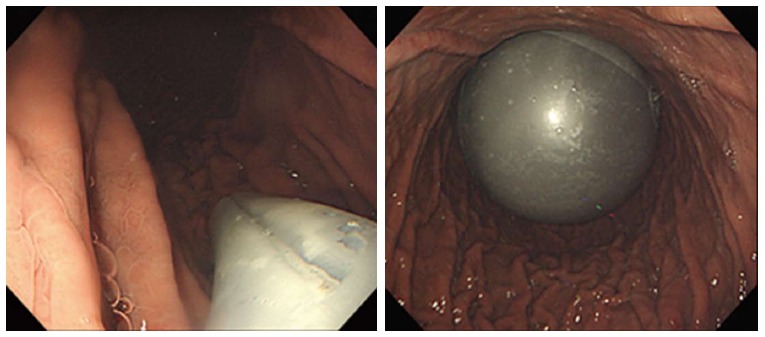
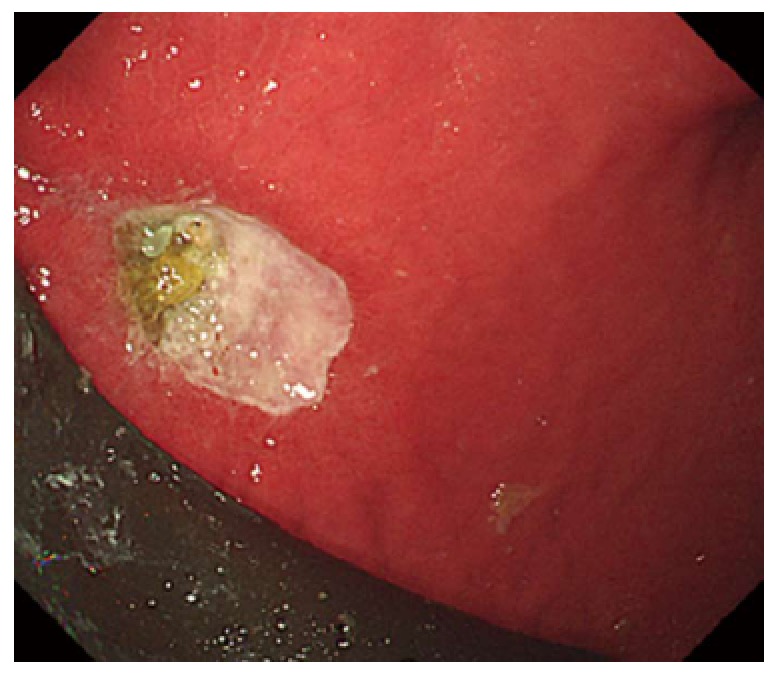
Endoscopic bariatric therapy may be a useful alternative to pharmacological treatment for obesity, and it provides greater efficacy with lower risks than do conventional surgical procedures. Among the various endoscopic treatments for obesity, the intragastric balloon is associated with significant efficacy in body weight reduction and relief of comorbid disease symptoms. Anatomically, this treatment is based on gastric space-occupying effects that increase the feeling of satiety and may also affect gut neuroendocrine signaling. The simplicity of the intragastric balloon procedure may account for its widespread role in obesity treatment and its applicability to various degrees of obesity. However, advances in device properties and procedural techniques are still needed in order to improve its safety and cost-effectiveness. Furthermore, verification of the physiological outcomes of intragastric balloon treatment and the clinical predictive factors for treatment responses should be considered. In this article, we discuss the types, efficacy, safety, and future directions of intragastric balloon treatment.
Keywords: Bariatric; Endoscopy; Intragastric balloon; Metabolic; Obesity.
Figures
References
Publication types
MeSH terms
LinkOut - more resources
Full Text Sources
Other Literature Sources
Medical
