


Acute kidney injury: short-term and long-term effects
- PMID: 27373891
- PMCID: PMC4931701
- DOI: 10.1186/s13054-016-1353-y
Acute kidney injury: short-term and long-term effects
Abstract
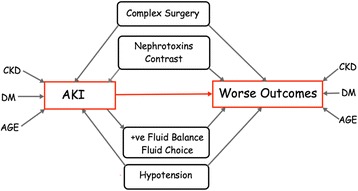
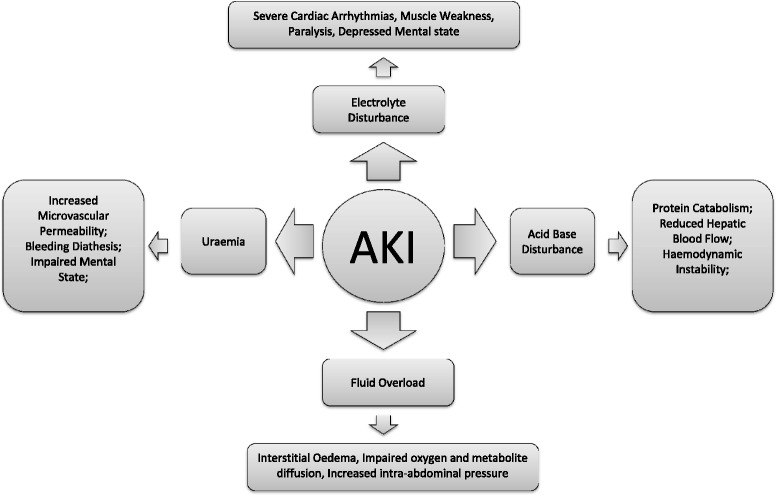
Acute kidney injury (AKI) is the most common cause of organ dysfunction in critically ill adults, with a single episode of AKI, regardless of stage, carrying a significant morbidity and mortality risk. Since the consensus on AKI nomenclature has been reached, data reflecting outcomes have become more apparent allowing investigation of both short- and long-term outcomes.Classically the short-term effects of AKI can be thought of as those reflecting an acute deterioration in renal function per se. However, the effects of AKI, especially with regard to distant organ function ("organ cross-talk"), are being elucidated as is the increased susceptibility to other conditions. With regards to the long-term effects, the consideration that outcome is a simple binary endpoint of dialysis or not, or survival or not, is overly simplistic, with the reality being much more complex.Also discussed are currently available treatment strategies to mitigate these adverse effects, as they have the potential to improve patient outcome and provide considerable economic health savings. Moving forward, an agreement for defining renal recovery is warranted if we are to assess and extrapolate the efficacy of novel therapies. Future research should focus on targeted therapies assessed by measure of long-term outcomes.
Figures
References
-
- Board K. KDIGO 2012 clinical practice guideline for the evaluation and management of chronic kidney disease. Kidney International Supplements 2013;3(1):1-150. - PubMed
-
- Bellomo R, Ronco C, Kellum JA, Mehta RL, Palevsky P. Acute renal failure—definition, outcome measures, animal models, fluid therapy and information technology needs: the Second International Consensus Conference of the Acute Dialysis Quality Initiative (ADQI) Group. Crit Care. 2007;11(2):411. doi: 10.1186/cc5735. - DOI - PMC - PubMed
Publication types
MeSH terms
LinkOut - more resources
Full Text Sources
Other Literature Sources
