


Meal context and food preferences in cancer patients: results from a French self-report survey
- PMID: 27390650
- PMCID: PMC4916076
- DOI: 10.1186/s40064-016-2538-1
Meal context and food preferences in cancer patients: results from a French self-report survey
Abstract
Purpose: The present study examined patient self-reports of descriptions, experiences and consequences of meal disturbances and food preferences within a cultural context (i.e., French meal traditions) in various treated cancer patients along their disease trajectory.
Methods: Over 800 questionnaires were sent to 20 cancer treatment centres in France. During a 9-month period, 255 questionnaires were received from five centres. Inclusion criteria included those French patients over 18 years of age, could read and understand French, had an Eastern Cooperative Oncology Group score between 0 and 2, experienced treatment-induced nutrition changes and/or had decreased oral intake. Dietetic staff assessed clinical characteristics while patients completed a 17-item questionnaire.
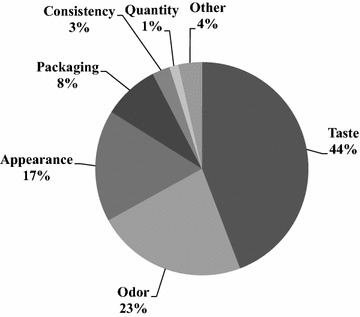
Results: The majority of patients were diagnosed with breast, gastro-intestinal (GI) tract and head and neck cancers (62 %). Half of the patients (49 %) experienced weight loss >5 %. The main treatment-induced side effects were fatigue, nausea, dry mouth, hypersensitivity to odors and GI tract transit disorders. These discomforts affected eating and drinking in 83 % of patients, inducing appetite loss and selected food aversion. Food preference appeared heterogeneous. Food taste, odor and finally appearance stimulated appetite. Finally, dietary behaviors and satisfaction were driven by the extent to which food was enjoyed.
Conclusions: During oncologic treatments, eating and drinking were affected in more than three-quarters of patients. As recommended by practice guidelines, nutritional assessment and follow-up are required. Personalized nutritional counseling should include the role of the family, patient's meal traditions, and food habits.
Keywords: Cancer; Feeding behaviors; Food preferences; Meal context; Taste; Weight loss.
Figures
References
-
- August DA, Huhmann MB, American Society for Parenteral and Enteral Nutrition (A.S.P.E.N.) Board of Directors A.S.P.E.N. clinical guidelines: nutrition support therapy during adult anticancer treatment and in hematopoietic cell transplantation. JPEN J Parenter Enteral Nutr. 2009;33:472–500. doi: 10.1177/0148607109341804. - DOI - PubMed
LinkOut - more resources
Full Text Sources
Other Literature Sources
Research Materials
