


Psychosocial distress and its effects on the health-related quality of life of primary brain tumor patients
- PMID: 27397796
- PMCID: PMC6040083
- DOI: 10.2217/cns-2016-0010
Psychosocial distress and its effects on the health-related quality of life of primary brain tumor patients
Abstract
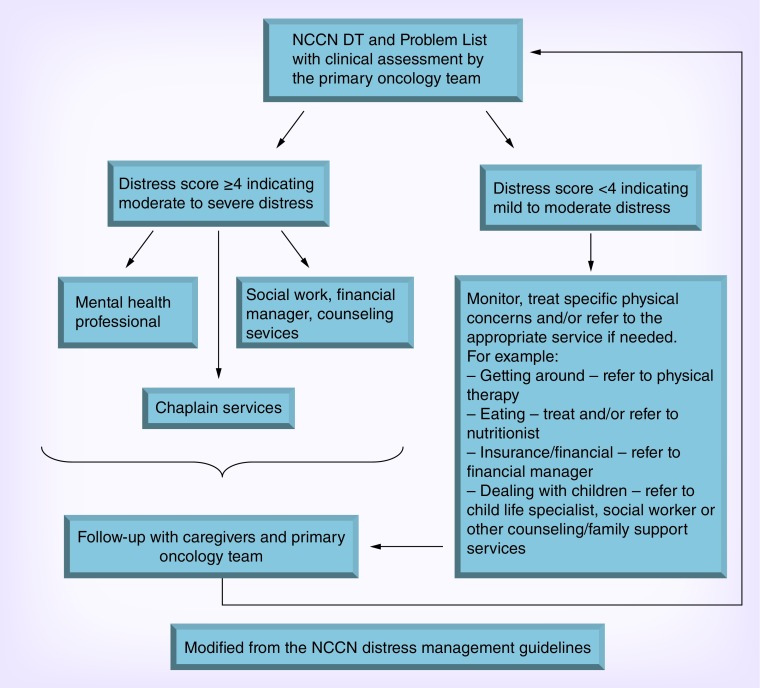
All cancer patients experience distress from the diagnosis, the effects of the disease or the treatment. Clinically significant distress decreases overall quality of life and the recognition of distress with prompt intervention is essential. The National Comprehensive Cancer Network distress thermometer (NCCN-DT) is a validated measuring tool that has been utilized in the primary brain tumor population to detect psychologic distress thereby provoking a referral process to the appropriate support system. Brain tumor patients commonly reported emotional and physical distress encompassing: fatigue, fears, memory and concentration and worry. More research is needed to identify the stressors of all primary brain tumor patients and their caretakers and integrate appropriate interventions to improve health-related quality of life in both groups.
Keywords: brain; distress; psychosocial.
Conflict of interest statement
Figures
References
-
- Mitchell AJ, Chan M, Bhatti H, et al. Prevalence of depression, anxiety, and adjustment disorder in oncological, haematological, and palliative-care settings: a meta-analysis of 94 interview-based studies. Lancet Oncol. 2011;12(2):160–174. - PubMed
-
- Zabora J, Brintzenhofeszoc K, Curbow B, Hooker C, Piantadosi S. The prevalence of psychological distress by cancer site. Psychooncology. 2001;10(1):19–28. - PubMed
-
- Brown PD, Ballman KV, Rummans TA, et al. Prospective study of quality of life in adults with newly diagnosed high-grade gliomas. J. Neurooncol. 2006;76(3):283–291. - PubMed
-
•• A study showing increased fatigue is an independent predictor of overall survival.
-
- Buckner JC, Schomberg PJ, McGinnis WL, et al. A phase III study of radiation therapy plus carmustine with or without recombinant interferon-alpha in the treatment of patients with newly diagnosed high-grade glioma. Cancer. 2001;92(2):420–433. - PubMed
Publication types
MeSH terms
LinkOut - more resources
Full Text Sources
Other Literature Sources
Medical
