


Morphosyntax in Poor Comprehenders
- PMID: 27397969
- PMCID: PMC4934369
- DOI: 10.1007/s11145-015-9562-3
Morphosyntax in Poor Comprehenders
Abstract
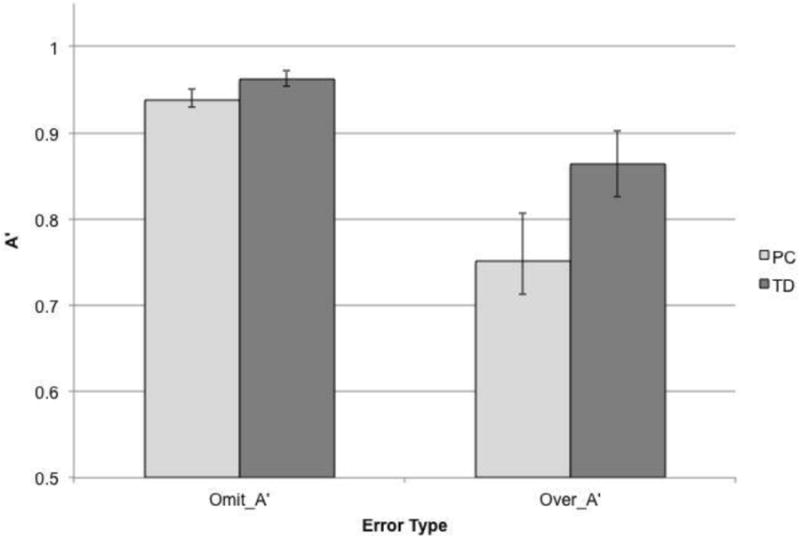
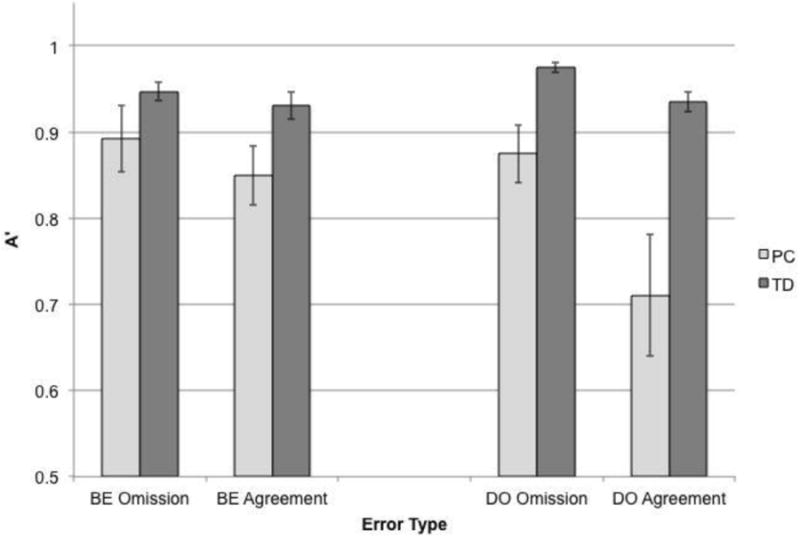
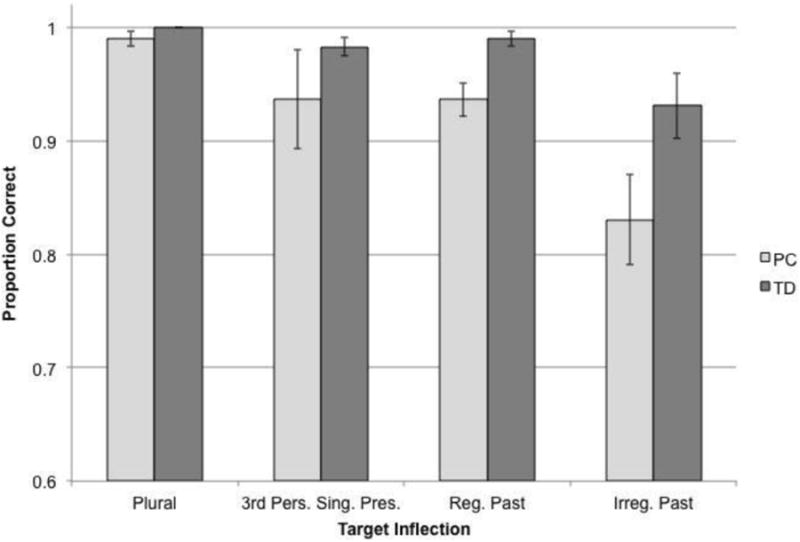
Children described as poor comprehenders (PCs) have reading comprehension difficulties in spite of adequate word reading abilities. PCs are known to display weakness with semantics and higher-level aspects of oral language, but less is known about their grammatical skills, especially with regard to morphosyntax. The purpose of this study was to examine morphosyntax in fourth grade PCs and typically developing readers (TDs), using three experimental tasks involving finiteness marking. Participants also completed standardized, norm-referenced assessments of phonological memory, vocabulary, and broader language skills. PCs displayed weakness relative to TDs on all three morphosyntax tasks and on every other assessment of oral language except phonological memory, as indexed by nonword repetition. These findings help to clarify the linguistic profile of PCs, suggesting that their language weaknesses include grammatical weaknesses that cannot be fully explained by semantic factors. Because finiteness markers are usually mastered prior to formal schooling in typical development, we call for future studies to examine whether assessments of morphosyntax could be used for the early identification of children at risk for future reading comprehension difficulty.
Keywords: grammar; morphology; oral language; poor comprehenders; syntax.
Figures
References
-
- Adlof SM, Catts HW. Paper presented at the meeting of the American Speech-Language-Hearing Association. Boston, MA: 2007. Nov, Classification of children with poor reading comprehension.
-
- Adlof SM, Catts HW, Little Should the simple view of reading include a fluency component? Reading and Writing: An Interdisciplinary Journal. 2006;19:933–958.
-
- Adlof SM, Perfetti CA. Individual differences in word learning and reading ability. In: Stone A, Silliman E, Ehren B, Wallach G, editors. Handbook of Language and Literacy Development and Disorders. 2nd. New York, NY: Guilford; 2013. pp. 246–264.
-
- Atchley RA, Rice ML, Betz SK, Kwasney KM, Sereno JM, Jongman A. A comparison of semantic and syntactic event related potentials generated by children and adults. Brain and Language. 2006;99:236–246. - PubMed
Grants and funding
LinkOut - more resources
Full Text Sources
Other Literature Sources
Miscellaneous