


Periodic Repolarisation Dynamics: A Natural Probe of the Ventricular Response to Sympathetic Activation
- PMID: 27403291
- PMCID: PMC4939306
- DOI: 10.15420/aer.2015:30:2
Periodic Repolarisation Dynamics: A Natural Probe of the Ventricular Response to Sympathetic Activation
Abstract
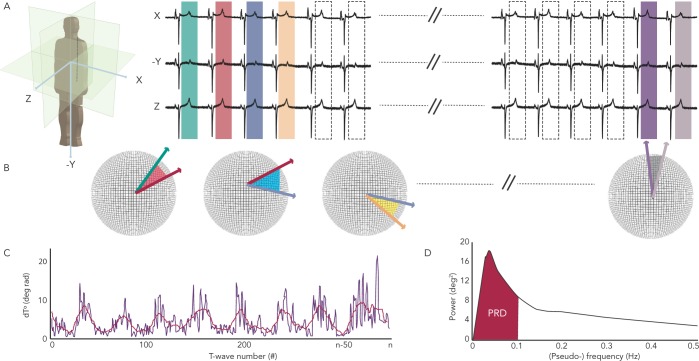
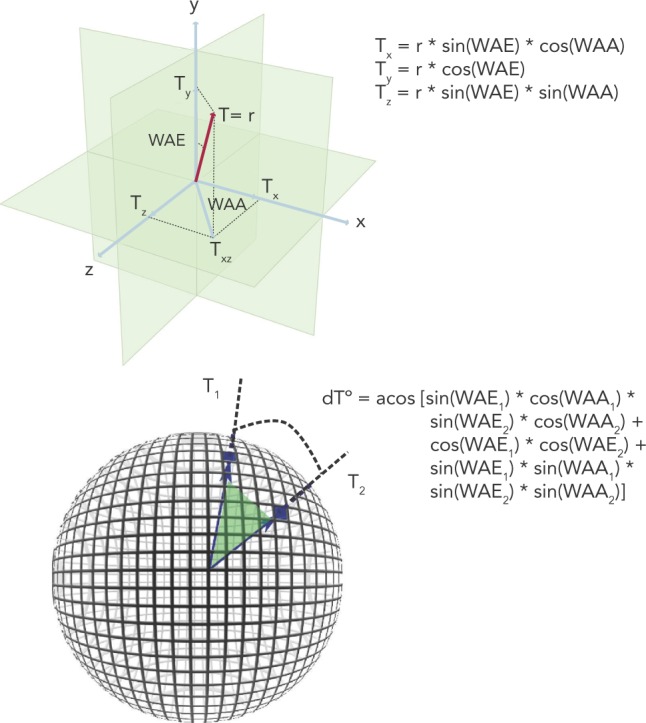
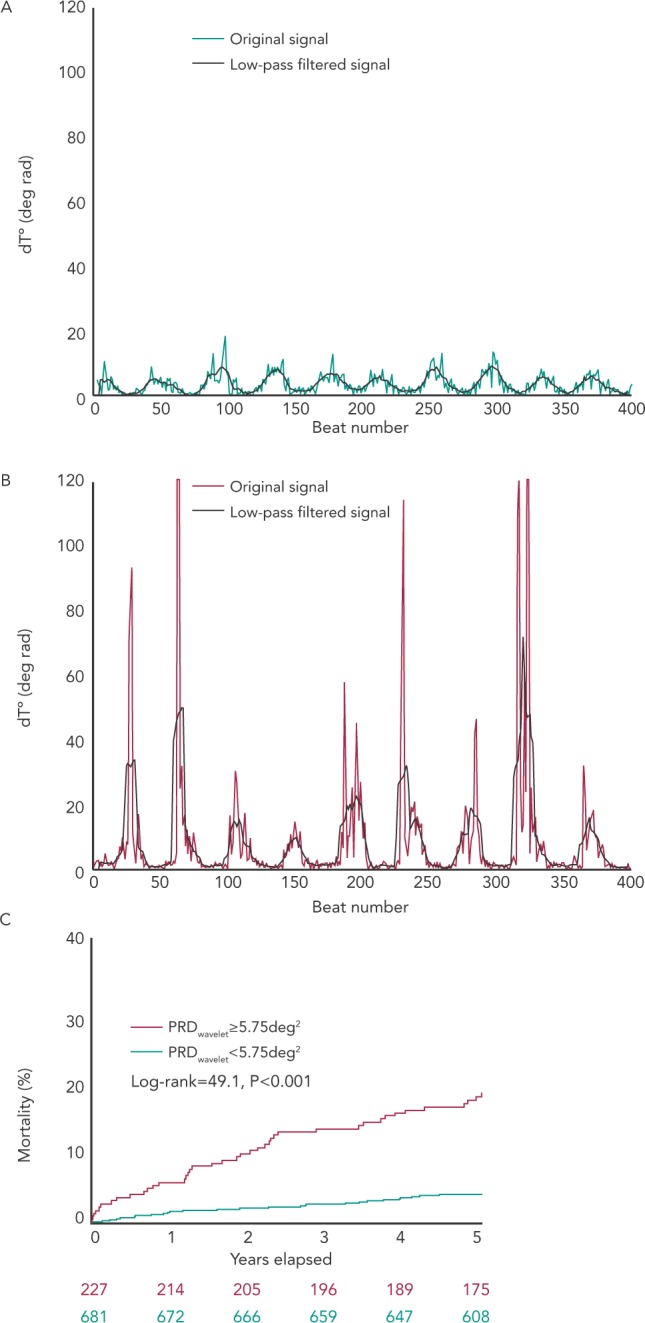
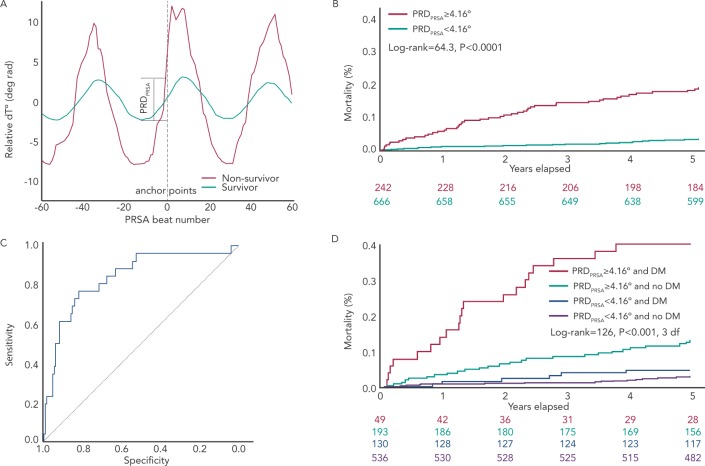
Periodic repolarisation dynamics (PRD) refers to low-frequency (≤0.1Hz) modulations of cardiac repolarisation instability. Spontaneous PRD can be assessed non-invasively from 3D high-resolution resting ECGs. Physiological and experimental studies have indicated that PRD correlates with efferent sympathetic nerve activity, which clusters in low-frequency bursts. PRD is increased by physiological provocations that lead to an enhancement of sympathetic activity, whereas it is suppressed by pharmacological β-blockade. Electrophysiological studies revealed that PRD occurs independently from heart rate variability. Increased PRD under resting conditions is a strong predictor of mortality in post-myocardial infarction (post-MI) patients, yielding independent prognostic value from left-ventricular ejection fraction (LVEF), heart rate variability, the Global Registry of Acute Coronary Events score and other established risk markers. The predictive value of PRD is particularly strong in post-MI patients with preserved LVEF (>35 %) in whom it identifies a new high-risk group of patients. The upcoming Implantable Cardiac Monitors in High-Risk Post-Infarction Patients with Cardiac Autonomic Dysfunction and Moderately Reduced Left Ventricular Ejection Fraction (SMART-MI) trial will test prophylactic strategies in high-risk post-MI patients with LVEF 36-50 % identified by PRD and deceleration capacity of heart rate (NCT02594488).
Keywords: myocardial infarction; periodic repolarisation dynamics; risk stratification; spatial dispersion of repolarisation; sudden death; sympathetic nervous system.
Figures
References
-
- Lown B, Verrier RL. Neural activity and ventricular fibrillation. N Engl J Med. 1976;294:1165–70. PMID: 57572. - PubMed
-
- Cao JM, Fishbein MC, Han JB, et al. Relationship between regional cardiac hyperinnervation and ventricular arrhythmia. Circulation. 2000;101:1960–9. PMID: 10779463. - PubMed
-
- Han J, Garcia de Jalon P,, Moe GK. Adrenergic effects on ventricular vulnerability. Circ Res. 1964;14:516–24. PMID: 14169970. - PubMed
Associated data
LinkOut - more resources
Full Text Sources
Other Literature Sources
Medical
Miscellaneous
