


Recombinant HLA-G as Tolerogenic Immunomodulant in Experimental Small Bowel Transplantation
- PMID: 27404095
- PMCID: PMC4942037
- DOI: 10.1371/journal.pone.0158907
Recombinant HLA-G as Tolerogenic Immunomodulant in Experimental Small Bowel Transplantation
Abstract
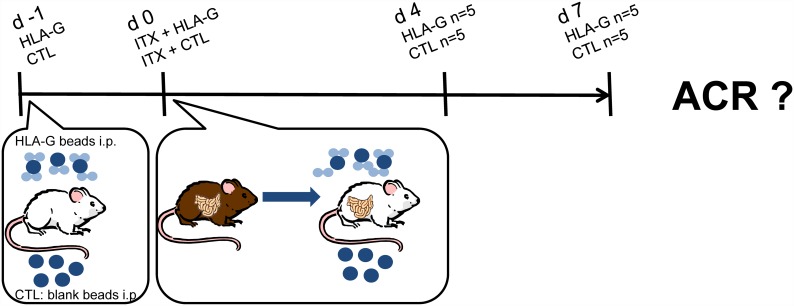
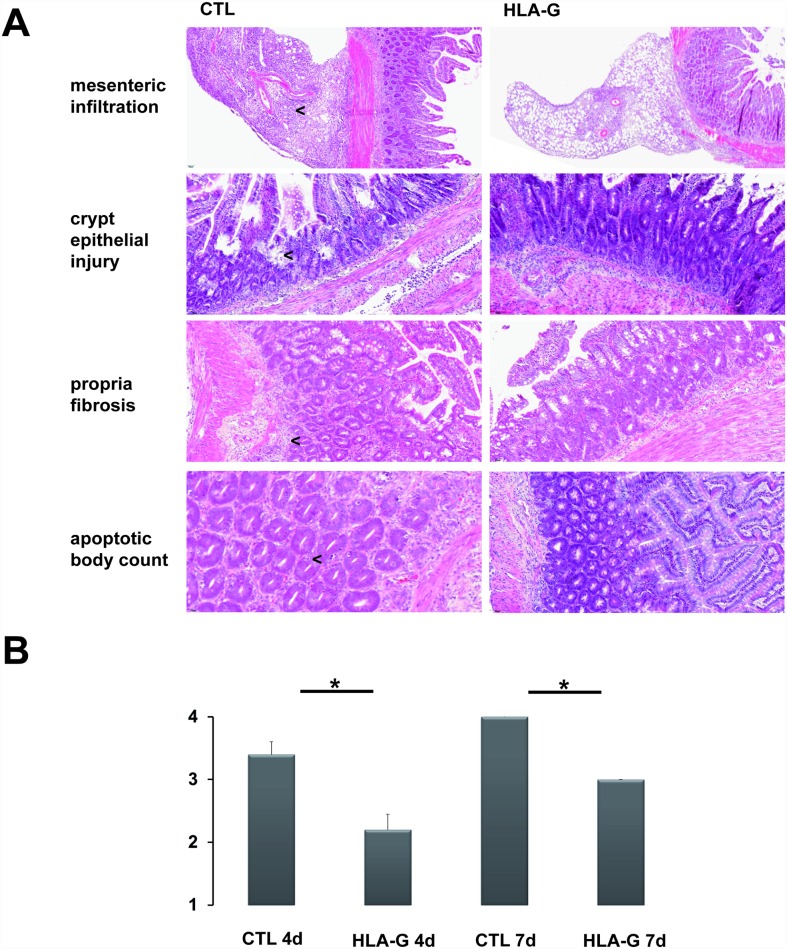
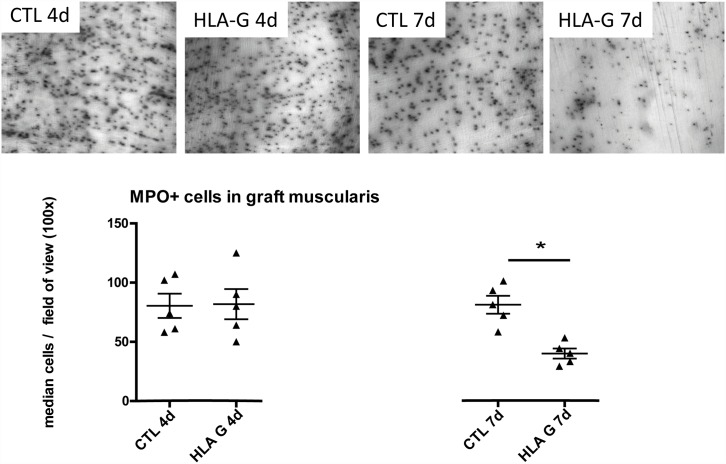
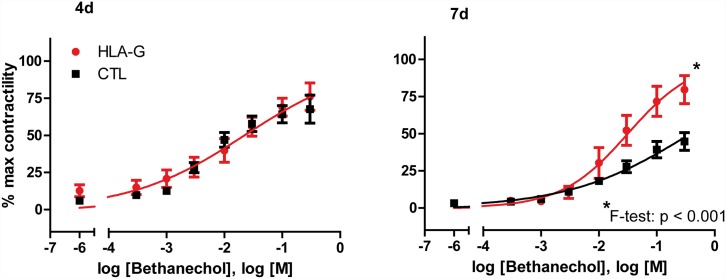
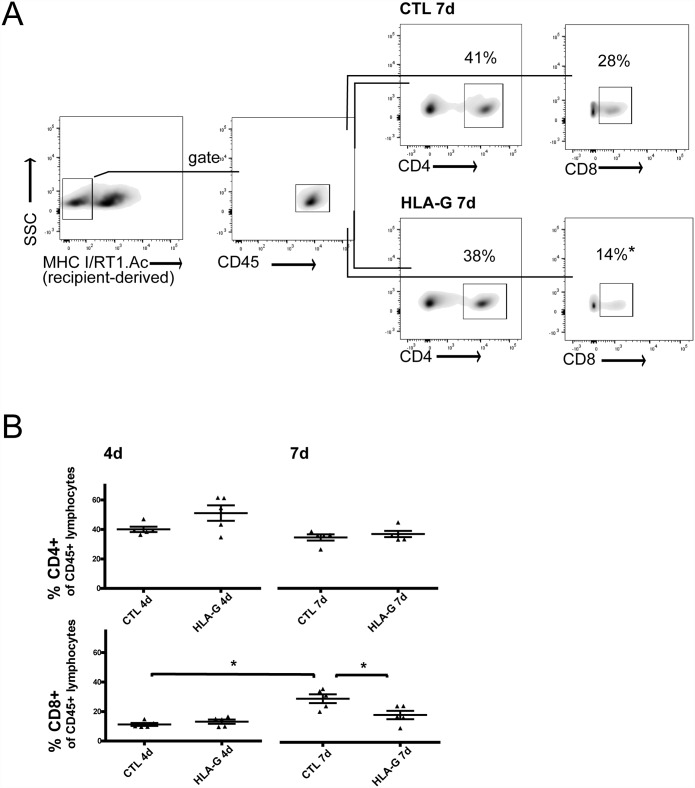
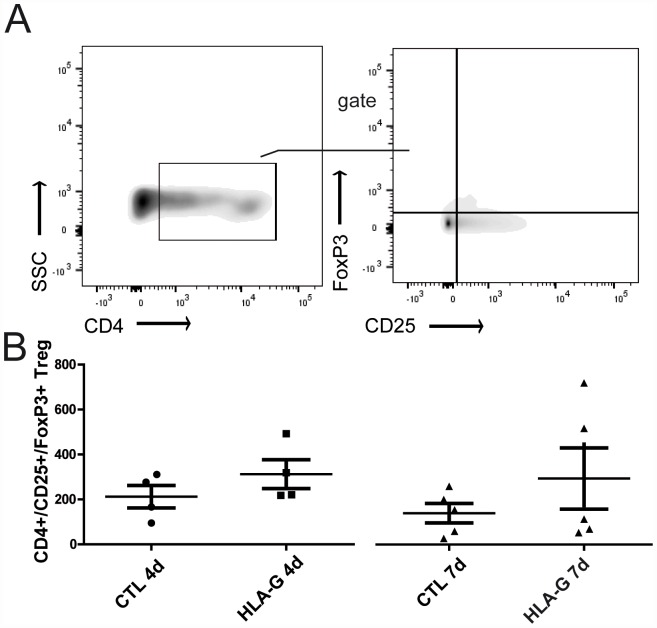
The non-classical MHC I paralogue HLA-G is expressed by cytotrophoblast cells and implicated with fetomaternal tolerance by downregulating the maternal adaptive and innate immune response against the fetus. HLA-G expression correlates with favorable graft outcome in humans and recently promising immunosuppressive effects of therapeutic HLA-G in experimental transplantation (skin allograft acceptance) were shown. Consequently, we examined this novel therapeutic approach in solid organ transplantation. In this study, therapeutic recombinant HLA-G5 was evaluated for the first time in a solid organ model of acute rejection (ACR) after orthotopic intestinal transplantation (ITX). Allogenic ITX was performed in rats (Brown Norway to Lewis) with and without HLA-G treatment. It was found that HLA-G treatment significantly reduced histologically proven ACR at both an early and late postoperative timepoint (POD 4/7), concomitant to a functionally preserved graft contractility at POD 7. Interestingly, graft infiltration by myeloperoxidase+ cells was significantly reduced at POD7 by HLA-G treatment. Moreover, HLA-G treatment showed an effect on the allogenic T-cell immune response as assessed by flow cytometry: The influx of recipient-derived CD8+ T-cells into the graft mesenteric lymphnodes at POD7 was significantly reduced while CD4+ populations were not affected. As a potential mechanism of action, an induction of T-reg populations in the mesenteric lymphnodes was postulated, but flow cytometric analysis of classical CD4+/CD25+/FoxP3+Treg-cells showed no significant alteration by HLA-G treatment. The novel therapeutic approach using recombinant HLA-G5 reported herein demonstrates a significant immunosuppressive effect in this model of allogenic experimental intestinal transplantation. This effect may be mediated via inhibition of recipient-derived CD8+ T-cell populations either directly or by induction of non-classical Treg populations.
Conflict of interest statement
Figures
References
-
- Abu-Elmagd KM, Costa G, Bond GJ, Wu T, Murase N, Zeevi A, et al. Evolution of the immunosuppressive strategies for the intestinal and multivisceral recipients with special reference to allograft immunity and achievement of partial tolerance. Transpl Int. 2009; 22: 96–109. TRI785 [pii]; 10.1111/j.1432-2277.2008.00785.x - DOI - PubMed
-
- Kovats S, Main EK, Librach C, Stubblebine M, Fisher SJ, DeMars R. A class I antigen, HLA-G, expressed in human trophoblasts. Science 1990; 248: 220–223. - PubMed
-
- Fuzzi B, Rizzo R, Criscuoli L, Noci I, Melchiorri L, Scarselli B, et al. HLA-G expression in early embryos is a fundamental prerequisite for the obtainment of pregnancy. Eur J Immunol. 2002; 32: 311–315. 10.1002/1521-4141(200202)32:2<311::AID-IMMU311>3.0.CO;2-8 [pii];10.1002/1521-4141(200202)32:2<311::AID-IMMU311>3.0.CO;2–8. - DOI - PubMed
MeSH terms
Substances
LinkOut - more resources
Full Text Sources
Other Literature Sources
Research Materials
