


Endogenous N-acyl taurines regulate skin wound healing
- PMID: 27412859
- PMCID: PMC4968764
- DOI: 10.1073/pnas.1605578113
Endogenous N-acyl taurines regulate skin wound healing
Abstract
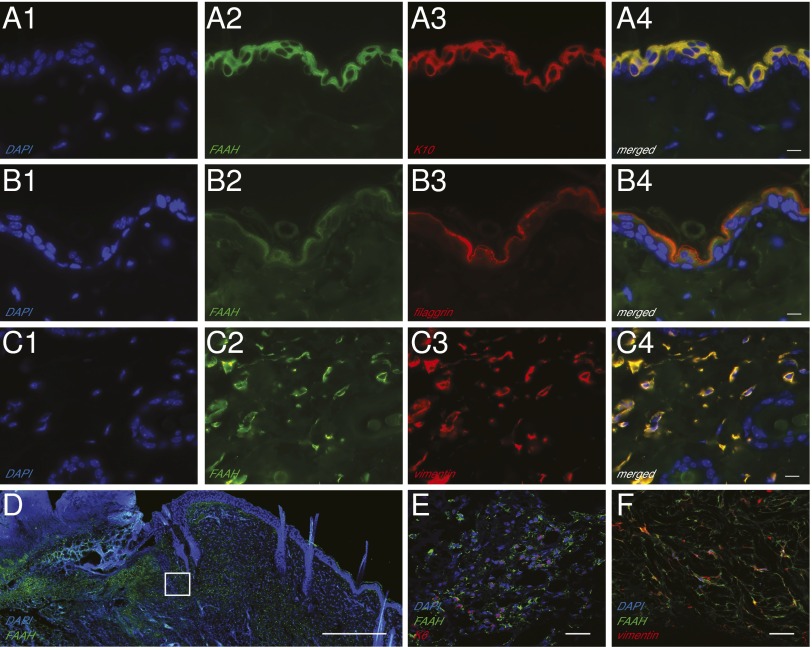
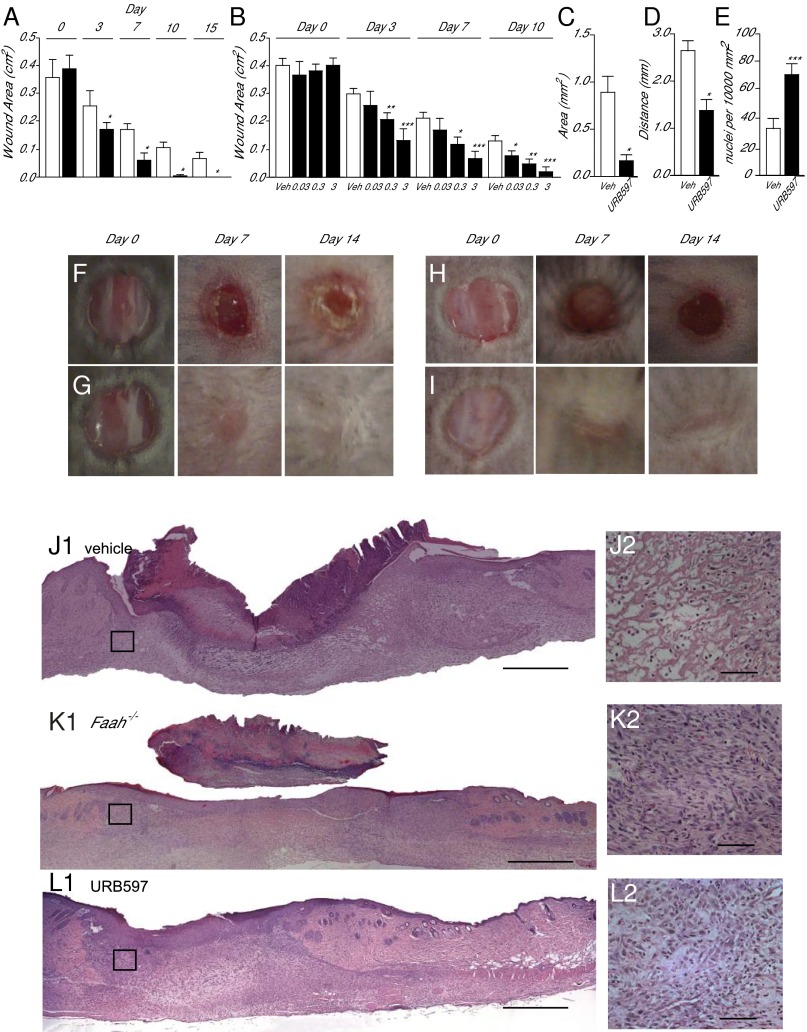
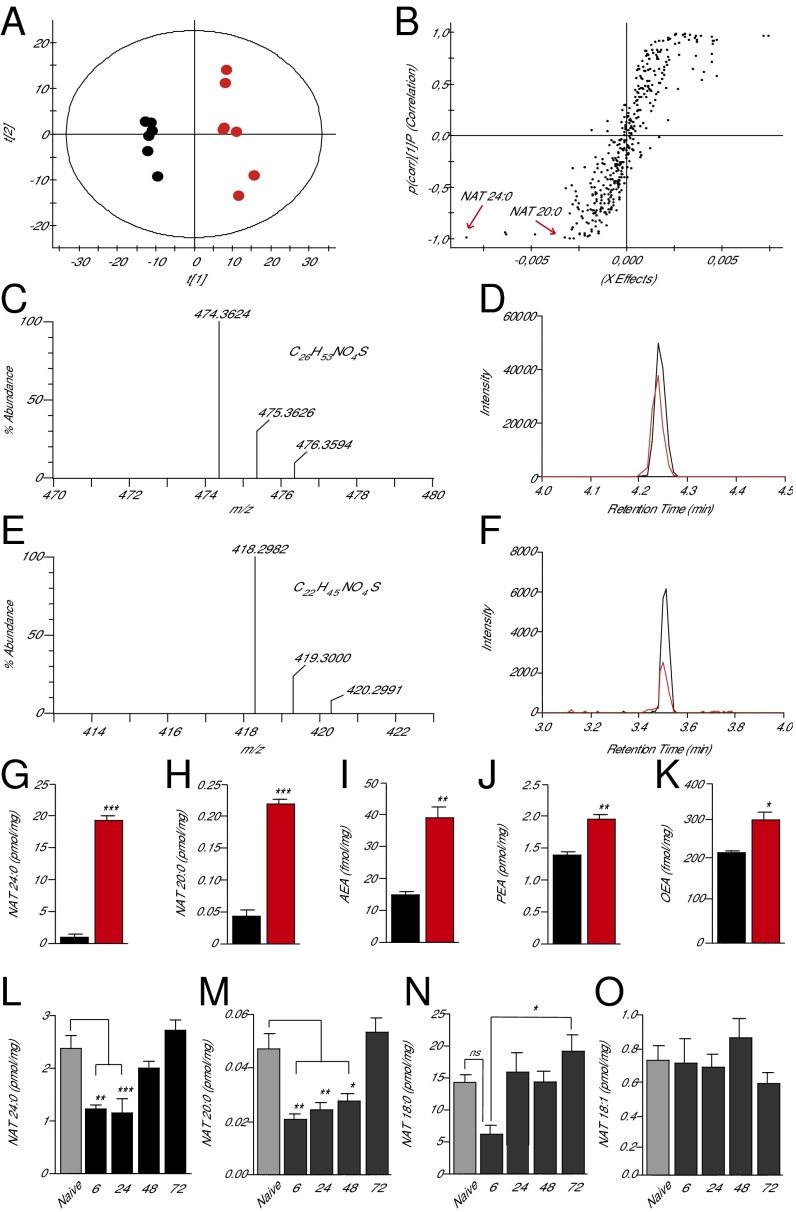
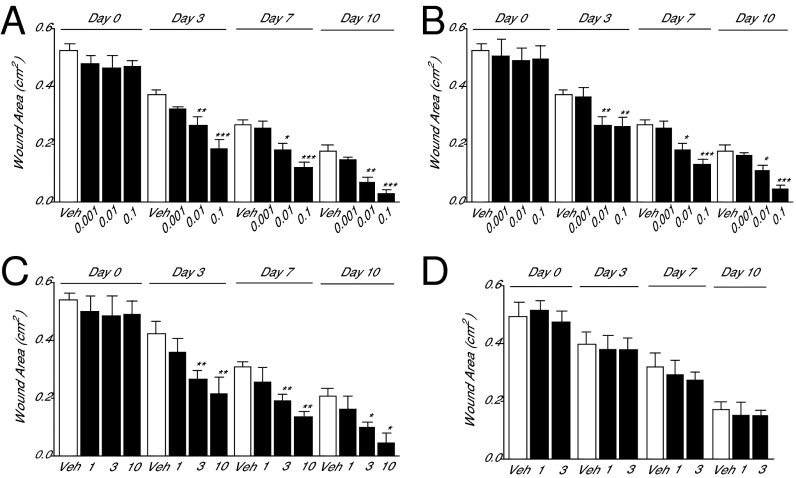
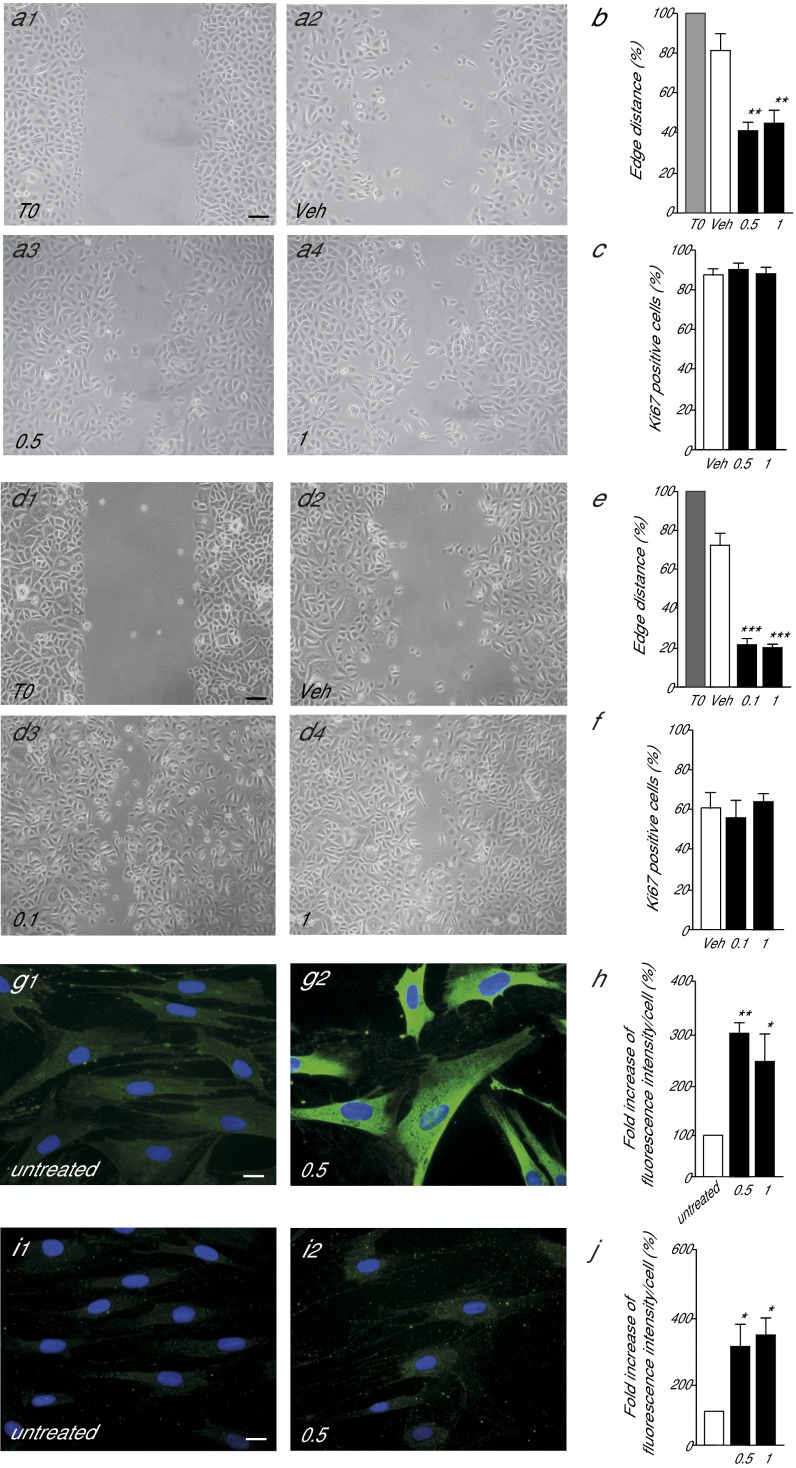
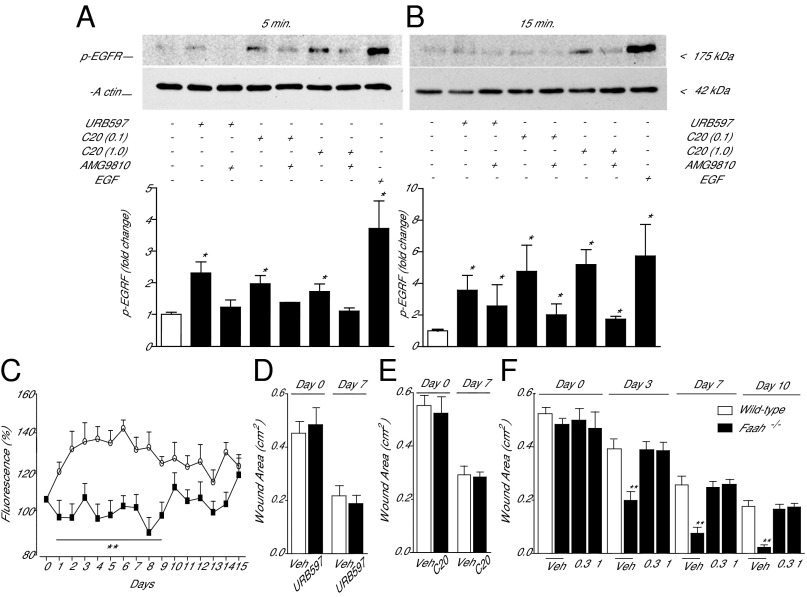
The intracellular serine amidase, fatty acid amide hydrolase (FAAH), degrades a heterogeneous family of lipid-derived bioactive molecules that include amides of long-chain fatty acids with taurine [N-acyl-taurines (NATs)]. The physiological functions of the NATs are unknown. Here we show that genetic or pharmacological disruption of FAAH activity accelerates skin wound healing in mice and stimulates motogenesis of human keratinocytes and differentiation of human fibroblasts in primary cultures. Using untargeted and targeted lipidomics strategies, we identify two long-chain saturated NATs-N-tetracosanoyl-taurine [NAT(24:0)] and N-eicosanoyl-taurine [NAT(20:0)]-as primary substrates for FAAH in mouse skin, and show that the levels of these substances sharply decrease at the margins of a freshly inflicted wound to increase again as healing begins. Additionally, we demonstrate that local administration of synthetic NATs accelerates wound closure in mice and stimulates repair-associated responses in primary cultures of human keratinocytes and fibroblasts, through a mechanism that involves tyrosine phosphorylation of the epidermal growth factor receptor and an increase in intracellular calcium levels, under the permissive control of transient receptor potential vanilloid-1 receptors. The results point to FAAH-regulated NAT signaling as an unprecedented lipid-based mechanism of wound-healing control in mammalian skin, which might be targeted for chronic wound therapy.
Keywords: FAAH; FAEs; N-acyl taurines; fibroblasts; keratinocytes.
Conflict of interest statement
Conflict of interest statement: M.M. and D.P. are inventors on issued patents, assigned to the University of California and the Istituto Italiano di Tecnologia, for URB597 and other fatty acid amide hydrolase inhibitors.
Figures
References
Publication types
MeSH terms
Substances
Grants and funding
LinkOut - more resources
Full Text Sources
Other Literature Sources
Molecular Biology Databases
Research Materials
