Recent Stem Cell Advances: Cord Blood and Induced Pluripotent Stem Cell for Cardiac Regeneration- a Review
- PMID: 27426082
- PMCID: PMC4961100
- DOI: 10.15283/ijsc.2016.9.1.21
Recent Stem Cell Advances: Cord Blood and Induced Pluripotent Stem Cell for Cardiac Regeneration- a Review
Abstract
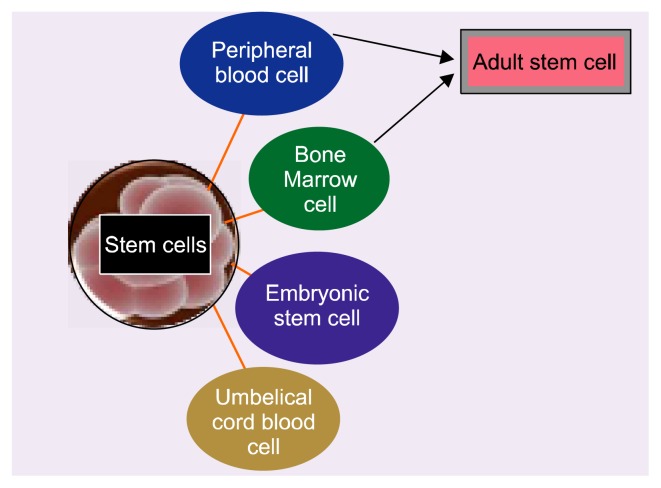
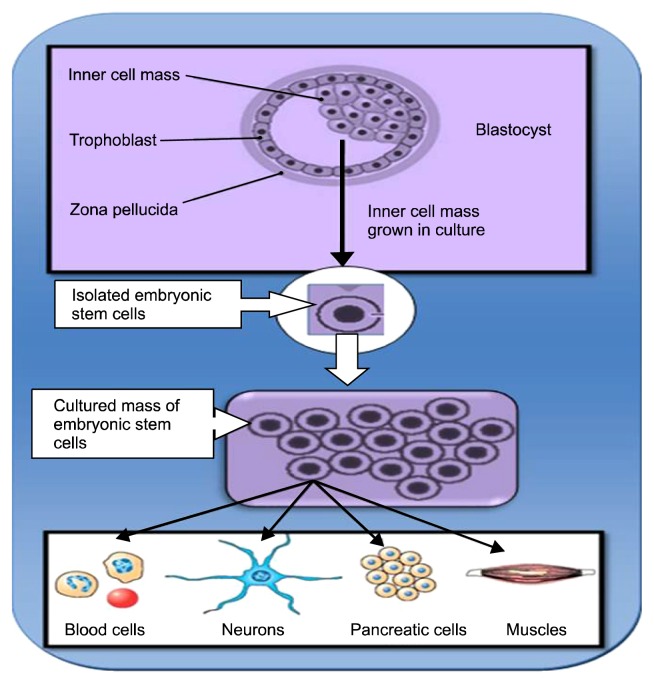
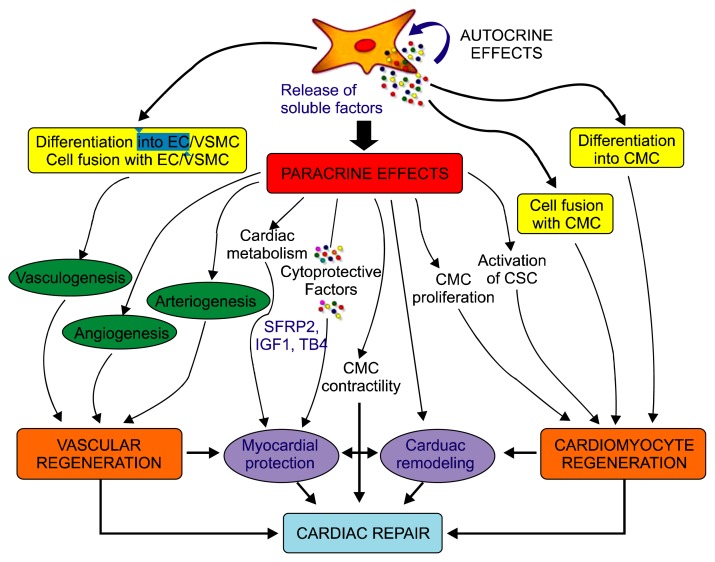
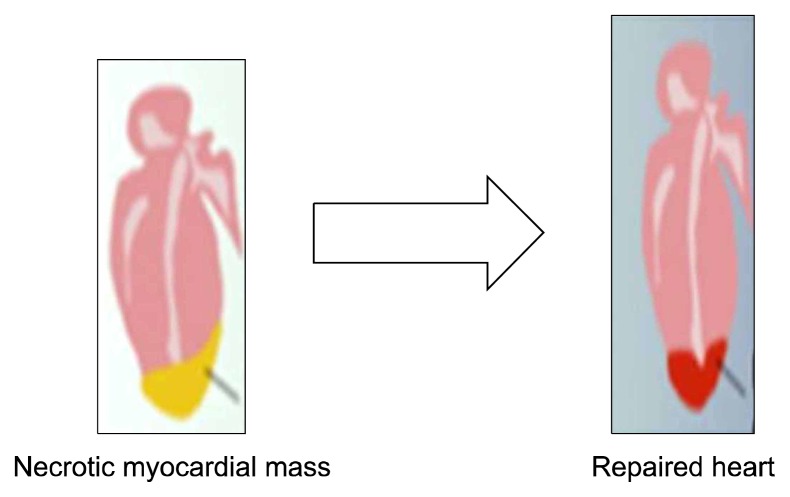
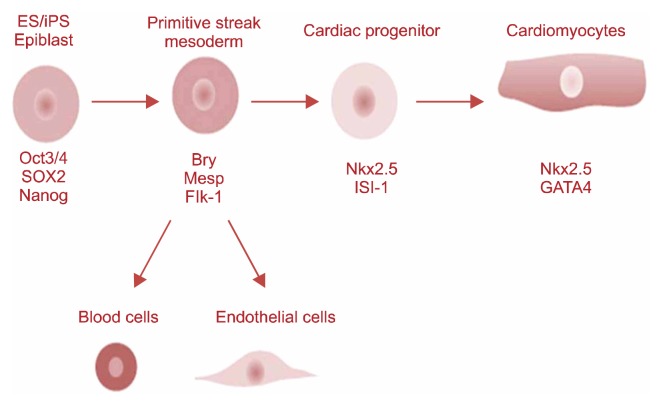
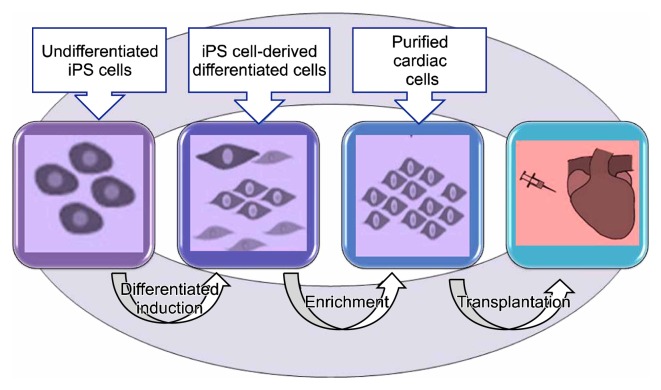
Stem cells are primitive self renewing undifferentiated cell that can be differentiated into various types of specialized cells like nerve cell, skin cells, muscle cells, intestinal tissue, and blood cells. Stem cells live in bone marrow where they divide to make new blood cells and produces peripheral stem cells in circulation. Under proper environment and in presence of signaling molecules stem cells begin to develop into specialized tissues and organs. These unique characteristics make them very promising entities for regeneration of damaged tissue. Day by day increase in incidence of heart diseases including left ventricular dysfunction, ischemic heart disease (IHD), congestive heart failure (CHF) are the major cause of morbidity and mortality. However infracted tissue cannot regenerate into healthy tissue. Heart transplantation is only the treatment for such patient. Due to limitation of availability of donor for organ transplantation, a focus is made for alternative and effective therapy to treat such condition. In this review we have discussed the new advances in stem cells such as use of cord stem cells and iPSC technology in cardiac repair. Future approach of CB cells was found to be used in tissue repair which is specifically observed for improvement of left ventricular function and myocardial infarction. Here we have also focused on how iPSC technology is used for regeneration of cardiomyocytes and intiating neovascularization in myocardial infarction and also for study of pathophysiology of various degenerative diseases and genetic disease in research field.
Keywords: Cardiac regeneration; Myocardial infarction; Stem cells; Umbilical cord blood; iPSC technology.
Figures
References
-
- Stem Cell Information [World Wide Web site] Bethesda, MD: National Institutes of Health, U.S. Department of Health and Human Services; 2009. What are the potential uses of human stem cells and the obstacles that must be overcome before these potential uses will be realized?
Publication types
LinkOut - more resources
Full Text Sources
Other Literature Sources