


Prenatal diagnosis of ductus arteriosus aneurysm
- PMID: 27433265
- PMCID: PMC4760603
- DOI: 10.1177/1742271X15587931
Prenatal diagnosis of ductus arteriosus aneurysm
Abstract
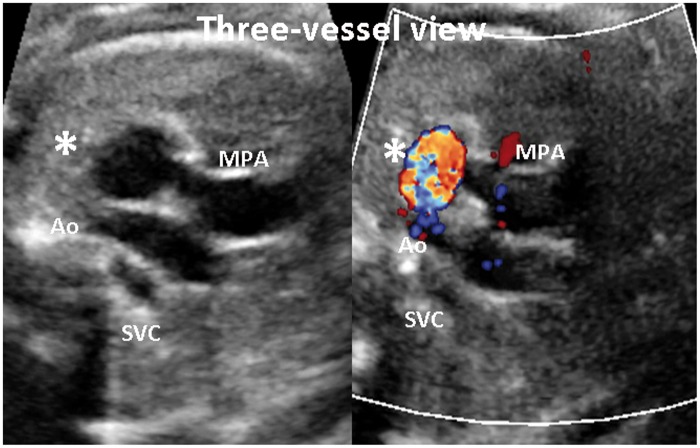
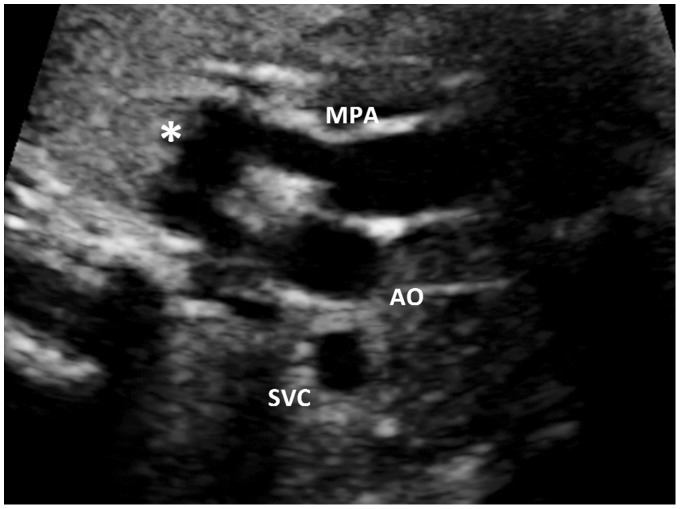
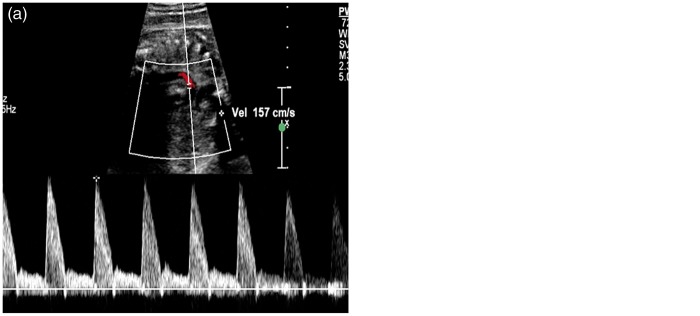
The ductus arteriosus holds major functional importance within the fetal circulation, and anomalies within the ductus arteriosus may interfere with the integrity of the fetal circulation. Ductus arteriosus aneurysm, previously considered a rare lesion, is now a well-reported finding in infancy with some reports describing this finding in the prenatal period. Postnatally, most ductus arteriosus aneurysms resolve spontaneously; however, a small group of infants show complications such as connective-tissue disorders, thrombo-embolism, compression of surrounding thoracic structures and life-threatening spontaneous rupture requiring surgical correction. As such, postnatal assessment in this group is recommended.
Keywords: Ductus arteriosus aneurysm; ductus arteriosus; echocardiography; prenatal.
Figures
References
-
- Pasquini L, Mellander M, Seale A, et al. Z-scores of the fetal aortic isthmus and duct: an aid to assessing arch hypoplasia. Ultrasound Obstet Gynecol 2007; 29: 623–33. - PubMed
-
- Dyamenahalli U, Smallhorn JF, Geva T, et al. Isolated ductus arteriosus aneurysm in the fetus and infant: a multi-institutional experience. J Am Coll Cardiol 2000; 36: 262–9. - PubMed
-
- Hornberger LK. Congenital ductus arteriosus aneurysm. J Am Coll Cardiol 2002; 39: 348–50. - PubMed
-
- Jan SL, Hwang B, Fu YC, et al. Isolated neonatal ductus arteriosus aneurysm. J Am Coll Cardiol 2002; 39: 342–7. - PubMed
-
- Tseng JJ, Jan SL. Fetal echocardiographic diagnosis of isolated ductus arteriosus aneurysm: a longitudinal study from 32 weeks of gestation to term. Ultrasound Obstet Gynecol 2005; 26: 50–6. - PubMed
Publication types
LinkOut - more resources
Full Text Sources
Research Materials