


EMT reversal in human cancer cells after IR knockdown in hyperinsulinemic mice
- PMID: 27435064
- PMCID: PMC4990486
- DOI: 10.1530/ERC-16-0142
EMT reversal in human cancer cells after IR knockdown in hyperinsulinemic mice
Abstract
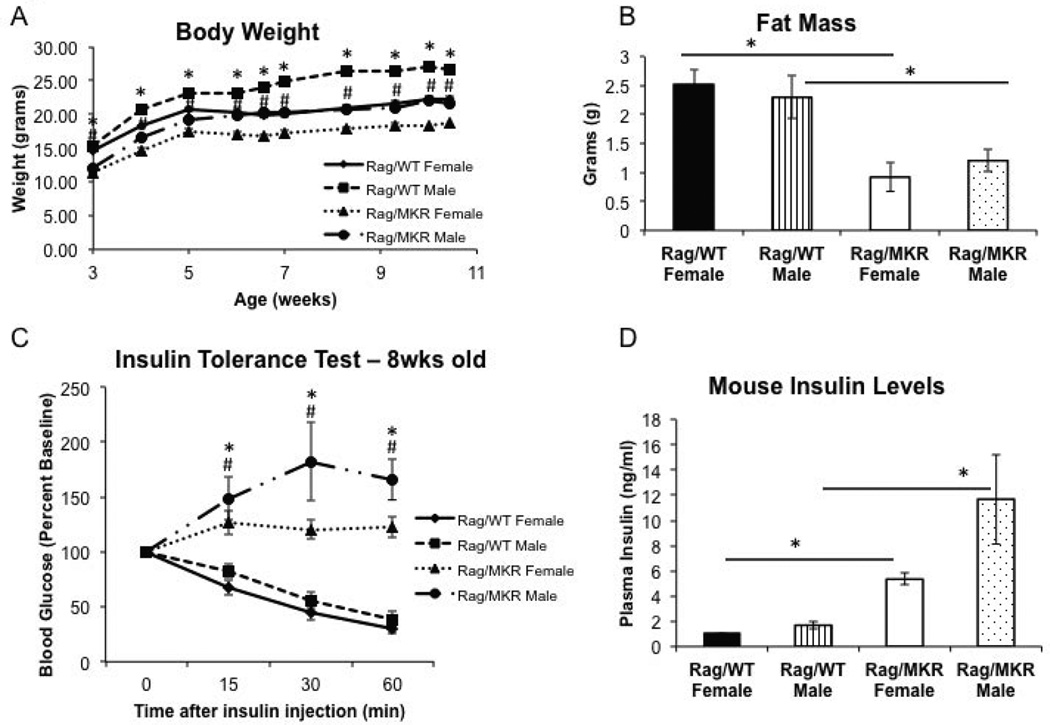
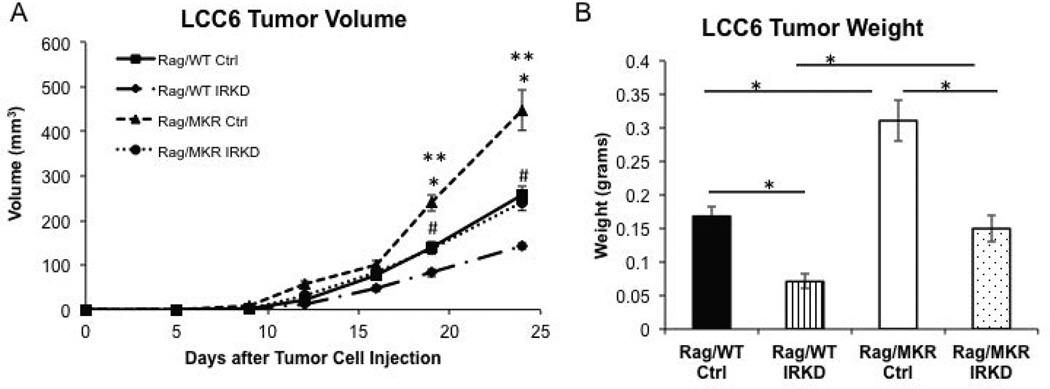
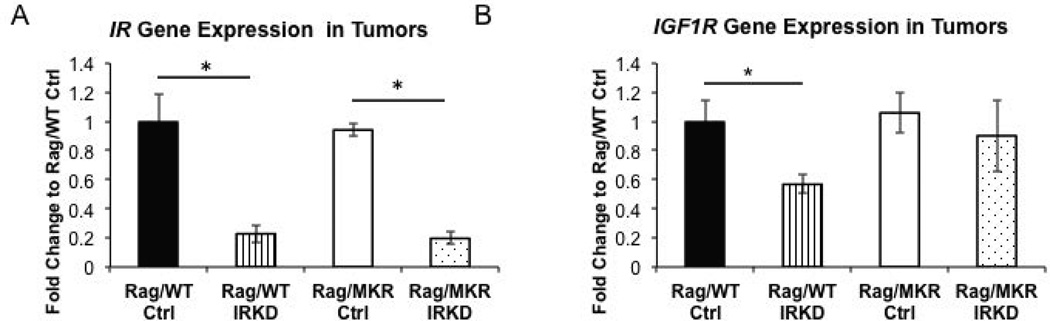
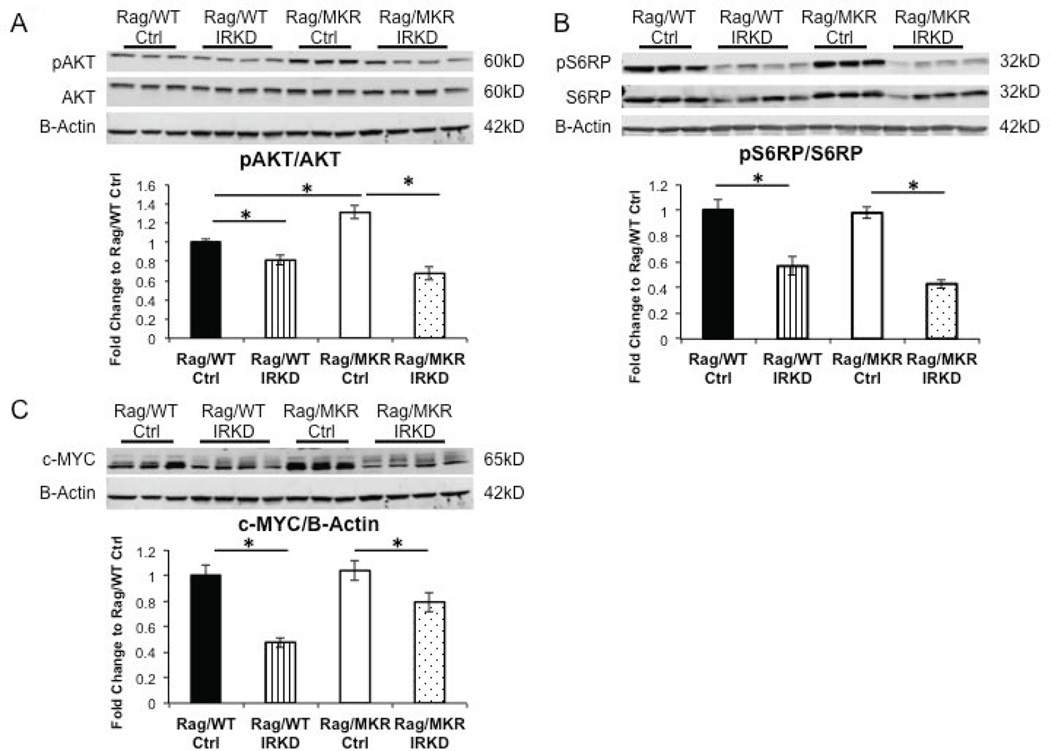
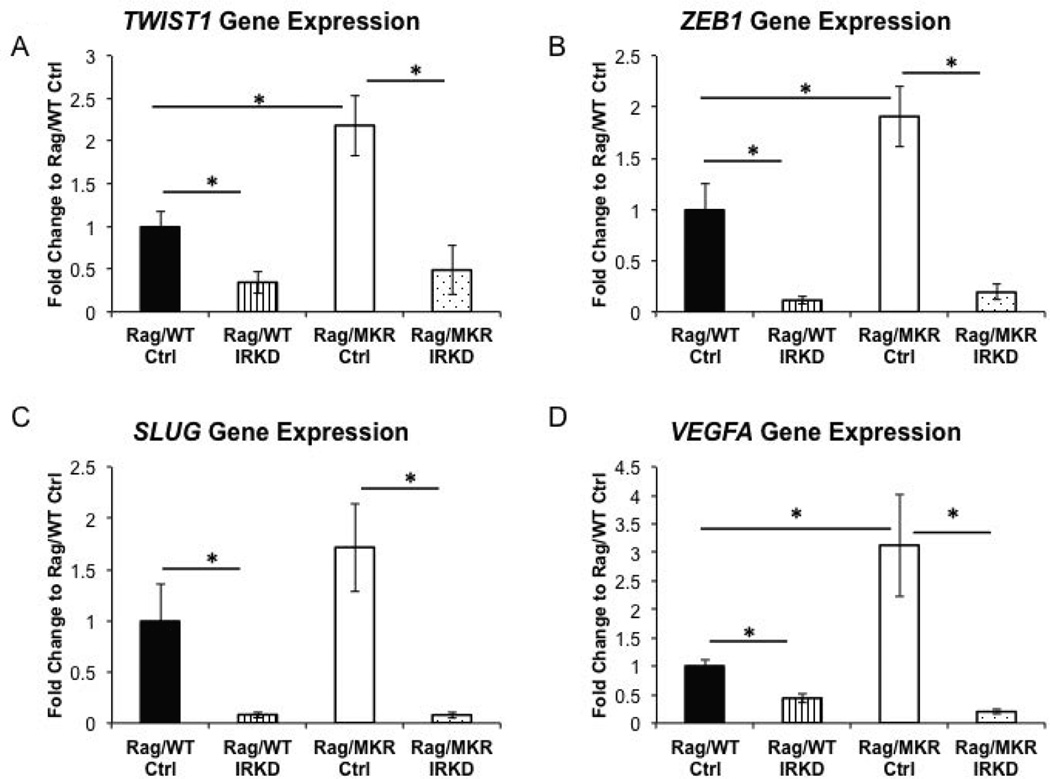
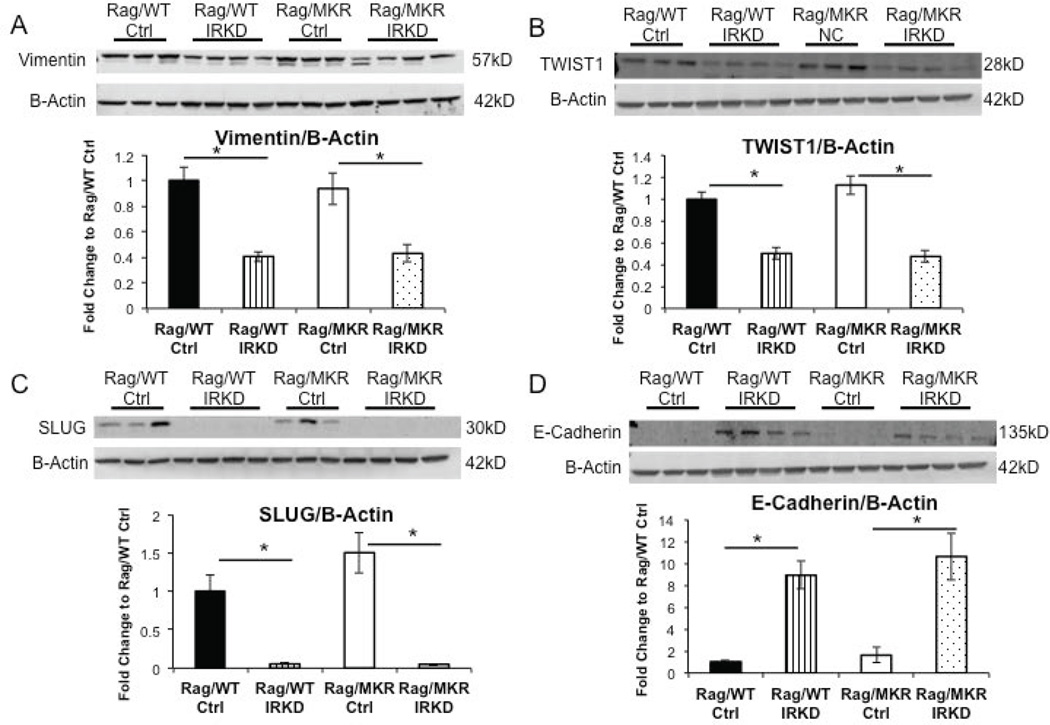
Type 2 diabetes (T2D) is associated with increased cancer risk and cancer-related mortality. Data herein show that we generated an immunodeficient hyperinsulinemic mouse by crossing the Rag1(-/-) mice, which have no mature B or T lymphocytes, with the MKR mouse model of T2D to generate the Rag1(-/-) (Rag/WT) and Rag1(-/-)/MKR(+/+) (Rag/MKR) mice. The female Rag/MKR mice are insulin resistant and have significantly higher nonfasting plasma insulin levels compared with the Rag/WT controls. Therefore, we used these Rag/MKR mice to investigate the role of endogenous hyperinsulinemia on human cancer progression. In this study, we show that hyperinsulinemia in the Rag/MKR mice increases the expression of mesenchymal transcription factors, TWIST1 and ZEB1, and increases the expression of the angiogenesis marker, vascular endothelial growth factor A (VEGFA). We also show that silencing the insulin receptor (IR) in the human LCC6 cancer cells leads to decreased tumor growth and metastases, suppression of mesenchymal markers vimentin, SLUG, TWIST1 and ZEB1, suppression of angiogenesis markers, VEGFA and VEGFD, and re-expression of the epithelial marker, E-cadherin. The data in this paper demonstrate that IR knockdown in primary tumors partially reverses the growth-promoting effects of hyperinsulinemia as well as highlighting the importance of the insulin receptor signaling pathway in cancer progression, and more specifically in epithelial-mesenchymal transition.
Keywords: cancer; epithelial–mesenchymal transition; hyperinsulinemia; insulin receptor; type 2 diabetes.
© 2016 Society for Endocrinology.
Conflict of interest statement
Declaration of Interest The authors disclose no potential conflicts of interest.
Figures
References
-
- Al Moustafa AE, Achkhar A, Yasmeen A. EGF-receptor signaling and epithelial-mesenchymal transition in human carcinomas. Front Biosci (Schol Ed) 2012;4:671–684. - PubMed
-
- Calvo A, Catena R, Noble MS, Carbott D, Gil-Bazo I, Gonzalez-Moreno O, Huh JI, Sharp R, Qiu TH, Anver MR, et al. Identification of VEGF-regulated genes associated with increased lung metastatic potential: functional involvement of tenascin-C in tumor growth and lung metastasis. Oncogene. 2008;27:5373–5384. - PMC - PubMed
-
- Chambers AF. MDA-MB-435 and M14 cell lines: identical but not M14 melanoma? Cancer Res. 2009;69:5292–5293. - PubMed
Publication types
MeSH terms
Substances
Grants and funding
LinkOut - more resources
Full Text Sources
Other Literature Sources
Research Materials
