


Impact of Multiple Factors on the Degree of Tinnitus Distress
- PMID: 27445776
- PMCID: PMC4925660
- DOI: 10.3389/fnhum.2016.00341
Impact of Multiple Factors on the Degree of Tinnitus Distress
Abstract
Objective: The primary cause of subjective tinnitus is a dysfunction of the auditory system; however, the degree of distress tinnitus causes depends largely on the psychological status of the patient. Our goal was to attempt to associate the grade of tinnitus-related distress with the psychological distress, physical, or psychological discomfort patients experienced, as well as potentially relevant social parameters, through a simultaneous analysis of these factors.
Methods: We determined the level of tinnitus-related distress in 531 tinnitus patients using the German version of the tinnitus questionnaire (TQ). In addition, we used the Perceived Stress Questionnaire (PSQ); General Depression Scale Allgemeine Depression Skala (ADS), Berlin Mood Questionnaire (BSF); somatic symptoms inventory (BI), and SF-8 health survey as well as general information collected through a medical history.
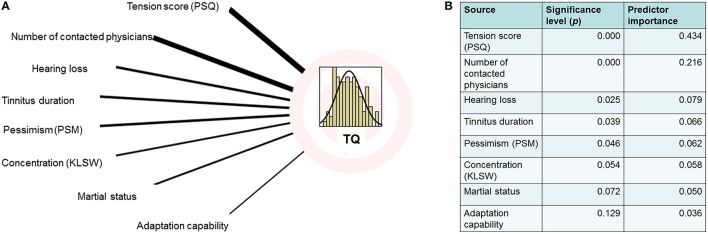
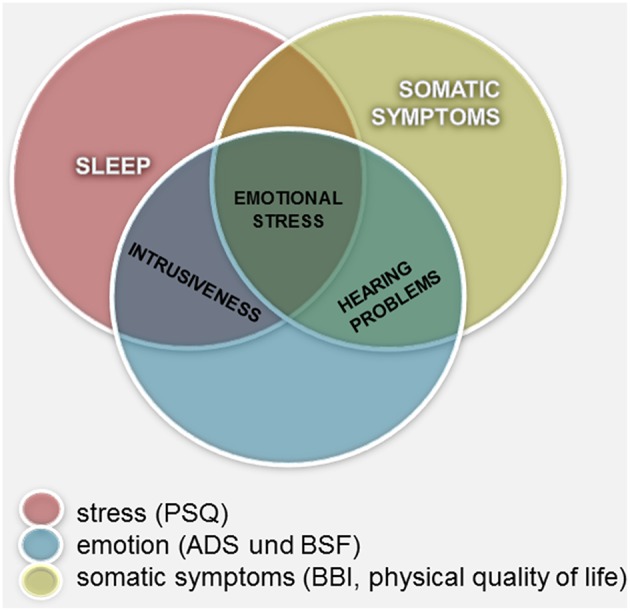
Results: The TQ score significantly correlated with a score obtained using PSQ, ADS, BSF, BI, and SF-8 alongside psychosocial factors such as age, gender, and marital status. The level of hearing loss and the auditory properties of the specific tinnitus combined with perceived stress and the degree of depressive mood and somatic discomfort of a patient were identified as medium-strong predictors of chronic tinnitus. Social factors such as gender, age, or marital status also had an impact on the degree of tinnitus distress. The results that were obtained were implemented in a specific cortical distress network model.
Conclusions: Using a large representative sample of patients with chronic tinnitus permitted a simultaneous statistical measurement of psychometric and audiological parameters in predicting tinnitus distress. We demonstrate that single factors can be distinguished in a manner that explains their causative association and influence on the induction of tinnitus-related distress.
Keywords: multi-level analyses; physical or psychological discomfort; social parameters; the grade of tinnitus-related distress; the psychological distress.
Figures
References
-
- Andersson G., Airikka M., Buhrman M., Kaldo V. (2005). Dimensions of perfectionism and tinnitus distress. Psychol. Health Med. 10, 78–87. 10.1080/13548500512331315389 - DOI
LinkOut - more resources
Full Text Sources
Other Literature Sources
