


HIV Status Disclosure through Family-Based Intervention Supports Parenting and Child Mental Health in Rwanda
- PMID: 27446902
- PMCID: PMC4925695
- DOI: 10.3389/fpubh.2016.00138
HIV Status Disclosure through Family-Based Intervention Supports Parenting and Child Mental Health in Rwanda
Abstract
Introduction: Few evidence-based interventions exist to support parenting and child mental health during the process of caregiver HIV status disclosure in sub-Saharan Africa. A secondary analysis of a randomized-controlled trial was conducted to examine the role of family-based intervention versus usual social work care (care as usual) in supporting HIV status disclosure within families in Rwanda.
Method: Approximately 40 households were randomized to family-based intervention and 40 households to care as usual. Parenting, family unity, and child mental health during the process of disclosure were studied using quantitative and qualitative research methods.
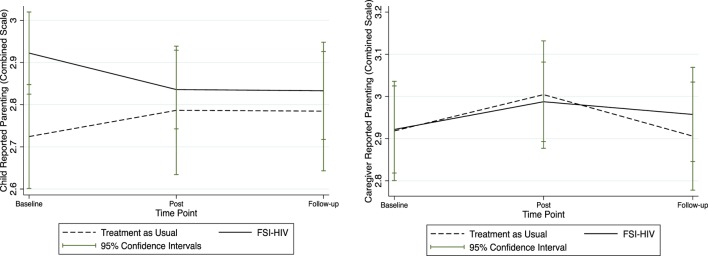
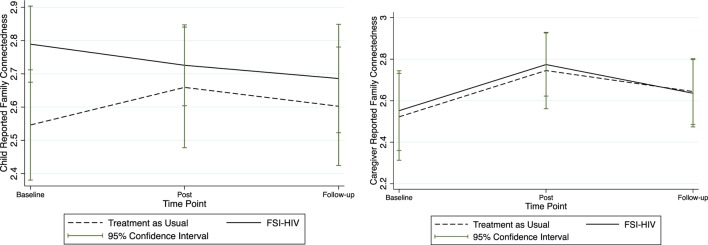
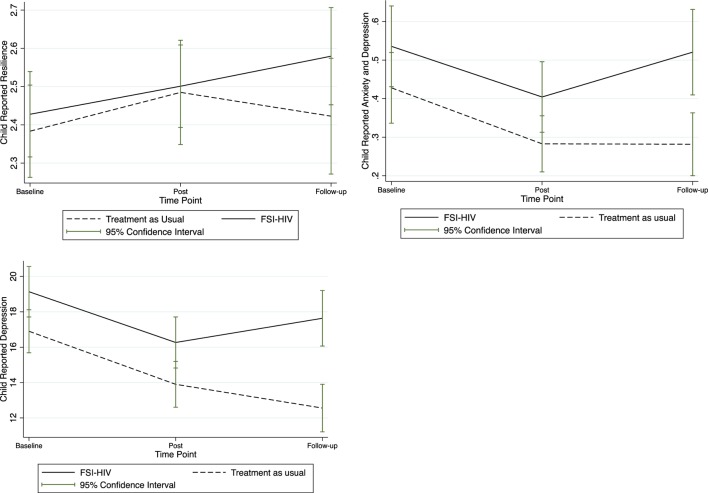
Results: Many of the families had at least one caregiver who had not disclosed their HIV status at baseline. Immediately post-intervention, children reported lower parenting and family unity scores compared with those in the usual-care group. These changes resolved at 3-month follow-up. Qualitative reports from clinical counselor intervention sessions described supported parenting during disclosure. Overall findings suggest adjustments in parenting, family unity, and trust surrounding the disclosure process.
Conclusion: Family-based intervention may support parenting and promote child mental health during adjustment to caregiver HIV status disclosure. Further investigation is required to examine the role of family-based intervention in supporting parenting and promoting child mental health in HIV status disclosure.
Keywords: Rwanda; children affected by HIV AIDS; family-based intervention; parenting; resilience.
Figures

References
-
- Betancourt TS, Meyers-Ohki S, Stulac SN, Elizabeth Barrera A, Mushashi C, Beardslee WR. Nothing can defeat combined hands (Abashize hamwe ntakibananira): protective processes and resilience in Rwandan children and families affected by HIV/AIDS. Soc Sci Med (2011) 73(5):693–701. 10.1016/j.socscimed.2011.06.053 - DOI - PMC - PubMed
Grants and funding
LinkOut - more resources
Full Text Sources
Other Literature Sources
