. 2016 Aug:44:23-33.
doi: 10.1016/j.placenta.2016.05.010. Epub 2016 May 30.

Comprehensive RNA profiling of villous trophoblast and decidua basalis in pregnancies complicated by preterm birth following intra-amniotic infection

Affiliations

Comprehensive RNA profiling of villous trophoblast and decidua basalis in pregnancies complicated by preterm birth following intra-amniotic infection

William E Ackerman 4th et al. Placenta. 2016 Aug.

Abstract

Introduction: We performed RNA sequencing with the primary goal of discovering key placental villous trophoblast (VT) and decidua basalis (DB) transcripts differentially expressed in intra-amniotic infection (IAI)-induced preterm birth (PTB).

Methods: RNA was extracted from 15 paired VT and DB specimens delivered of women with: 1) spontaneous PTB in the setting of amniocentesis-proven IAI and histological chorioamnionitis (n = 5); 2) spontaneous idiopathic PTB (iPTB, n = 5); and 3) physiologic term pregnancy (n = 5). RNA sequencing was performed using the Illumina HiSeq 2500 platform, and a spectrum of computational tools was used for gene prioritization and pathway analyses.

Results: In the VT specimens, 128 unique long transcripts and 7 mature microRNAs differed significantly between pregnancies complicated by IAI relative to iPTB (FDR<0.1). The up-regulated transcripts included many characteristic of myeloblast-derived cells, and bioinformatic analyses revealed enrichment for multiple pathways associated with acute inflammation. In an expanded cohort including additional IAI and iPTB specimens, the expression of three proteins (cathepsin S, lysozyme, and hexokinase 3) and two microRNAs (miR-133a and miR-223) was validated using immunohistochemistry and quantitative PCR, respectively. In the DB specimens, only 11 long transcripts and no microRNAs differed significantly between IAI cases and iPTB controls (FDR<0.1). Comparison of the VT and DB specimens in each clinical scenario revealed signatures distinguishing these placental regions.

Discussion: IAI is associated with a transcriptional signature consistent with acute inflammation in the villous trophoblast. The present findings illuminate novel signaling pathways involved in IAI, and suggest putative therapeutic targets and potential biomarkers associated with this condition.

Keywords: Infection; Placenta; Preterm birth; RNA-sequencing; Transcriptomics; microRNA.


Conflict of interest statement

Disclosure statement

The authors declare that they have nothing to disclose.

Figures
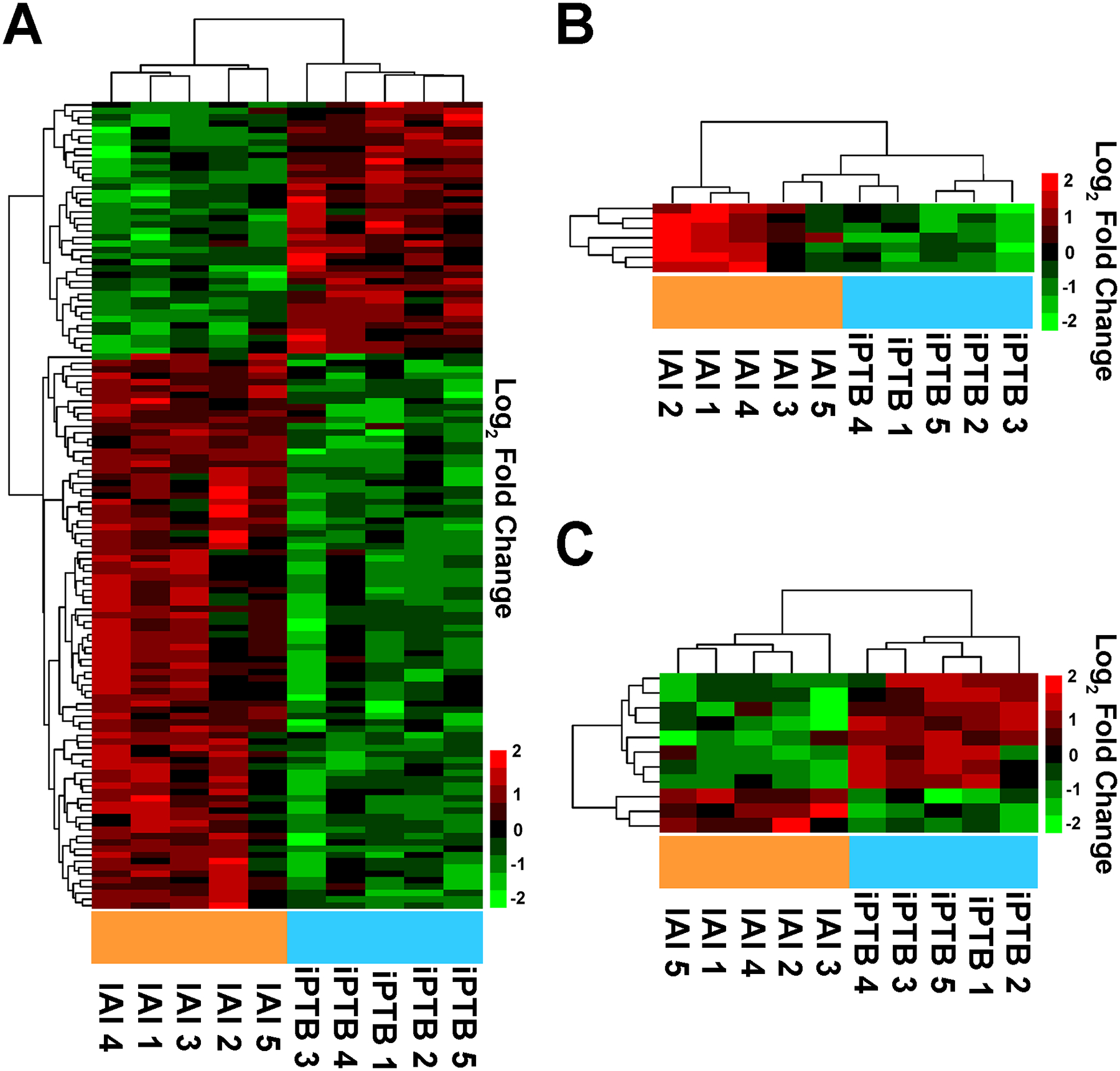
Figure 1.
Figure 1.. Differentially expressed placental villous trophoblast (VT) and decidua basalis (DB) transcripts in women with preterm birth (PTB) in the setting of intra-amniotic infection (IAI) compared to idiopathic PTB (iPTB).
(A) Heat map of differentially expressed long RNA transcripts in the placental VT specimens from pregnancies complicated by IAI compared with iPTB controls. (B) Heat map of differentially expressed miRNA transcripts in VT specimens from pregnancies complicated by IAI compared with iPTB controls. (C) Heat map of differentially expressed long RNA transcripts in the DB specimens from pregnancies complicated by IAI compared with iPTB controls. In each instance, two-dimensional unsupervised hierarchical clustering analysis (using a complete linkage algorithm with Manhattan distance function) was applied to identify RNA expression patterns. Data indicate log2-normalized expression data (relative to the mean) wherein red denotes up-regulation and green denotes down-regulation.
Figure 2.
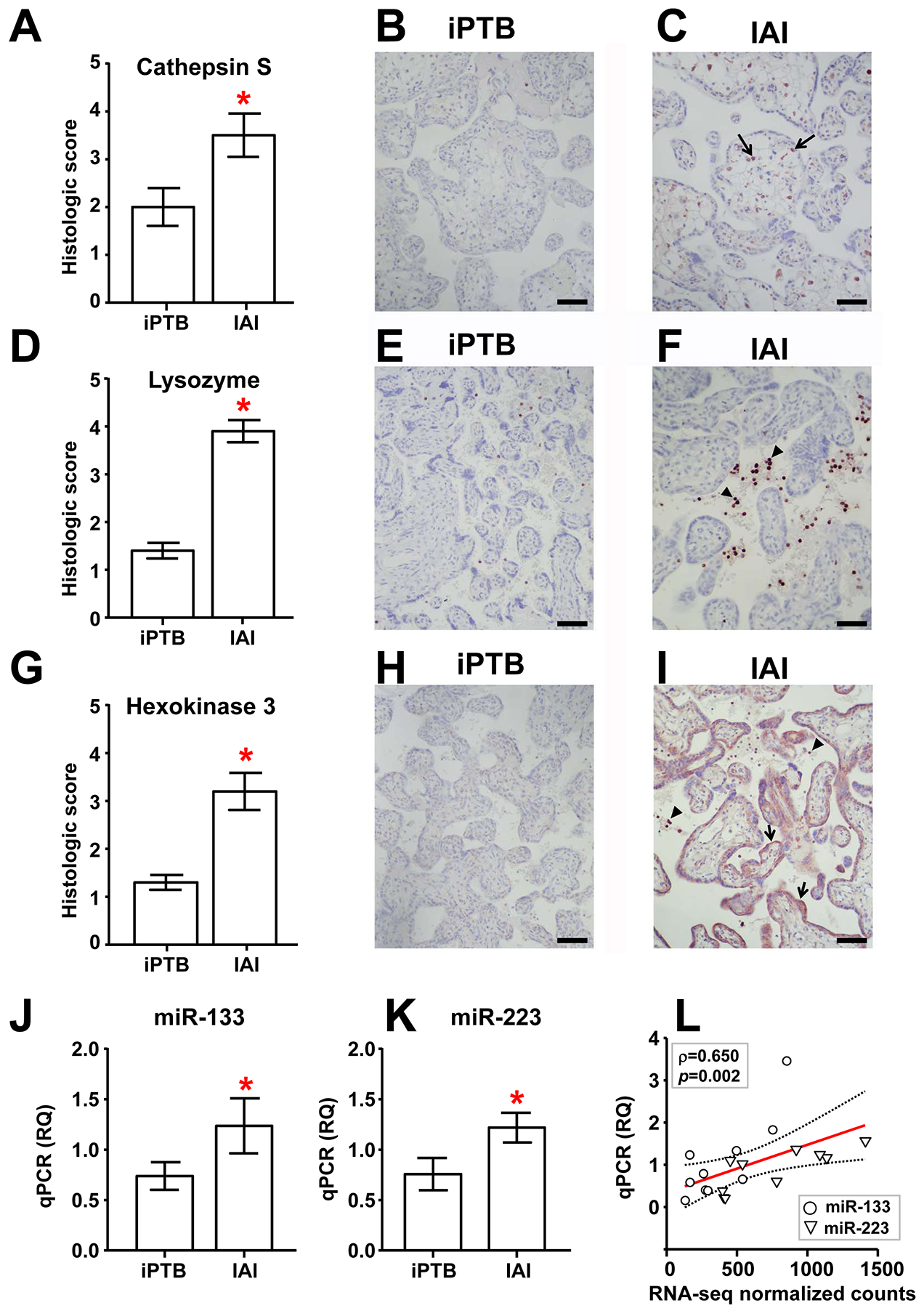
Figure 2.. Validation of select sequencing results using immunohistochemistry (IHC) and real-time quantitative PCR (qPCR) in an expanded group of specimens.
Histological staining intensity (mean ± SEM, n=10/group) and representative photomicrographs are shown for IAI and iPTB villous placental samples labeled with antibodies directed against cathepsin S (A-C), lysozyme (D-F), and hexokinase 3 (G-I). Scale bars = 100 μm. Arrows and arrowheads depict cells exhibiting characteristic immunolabeling in each case (see main text). (J, K) Relative quantification (RQ) of mature miR-133a-3p (J) and miR-223–3p (K) in IAI and iPTB villous trophoblast specimens using qPCR (mean ± SEM, n=10/group). Asterisks indicate p < 0.05 by the Mann-Whitney rank-sum test. (L) Scatterplot and linear regression analysis (line of best fit and 95% confidence interval) comparing qPCR results with normalized RNA-seq feature counts for miR-133a-3p and miR-223–3p in the original IAI and iPTB VT specimens (n=5/group). Note that these were significantly correlated (Spearman ρ = 0.650, p=0.002).
Figure 3.
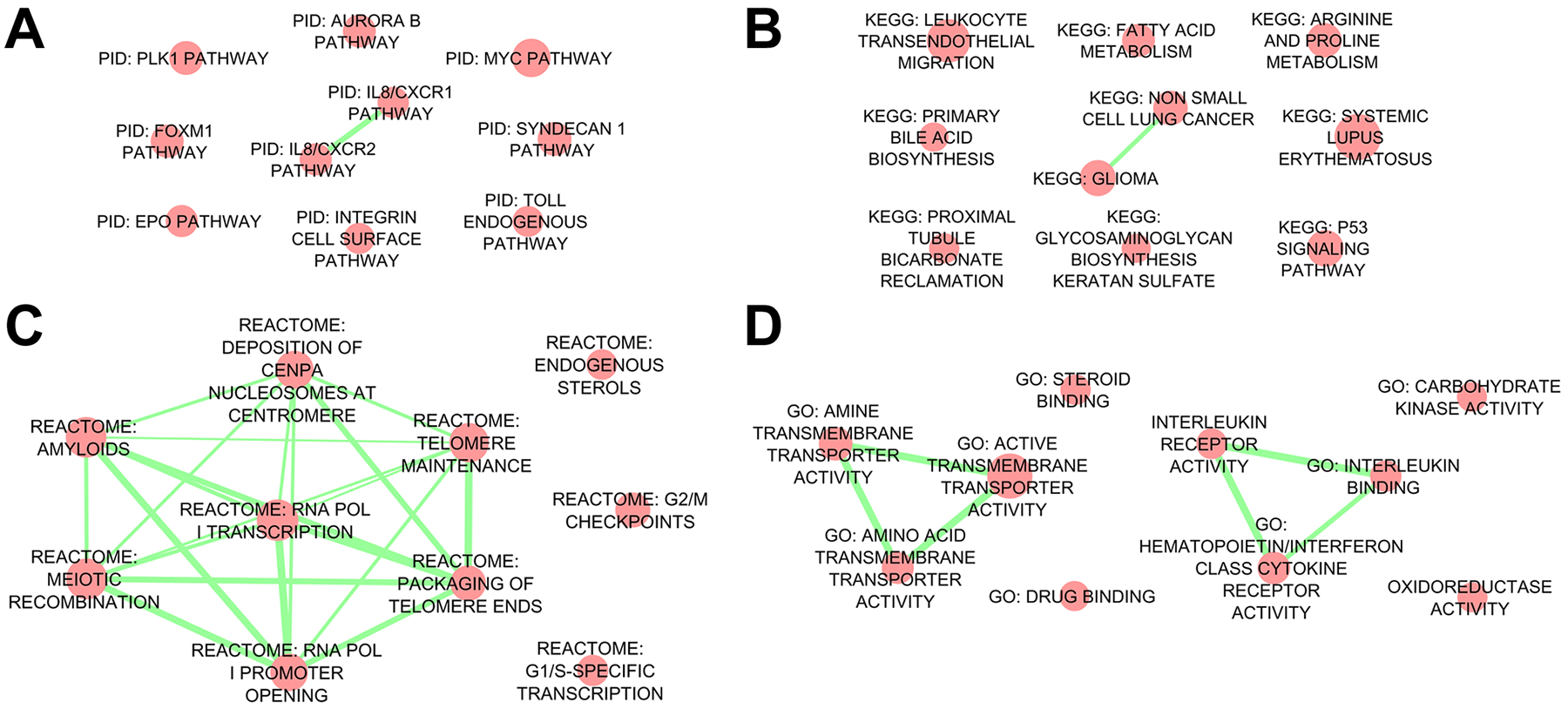
Figure 3.. Gene Set Association Analysis (GSAA) of placental villous trophoblast specimens from pregnancies complicated by intra-amniotic infection (IAI) compared to idiopathic preterm birth (iPTB) controls.
The top ten Pathway Interaction Database (PID) (A), Kyoto Encyclopedia of Genes and Genomes (KEGG) (B), Reactome (C), and Gene Ontology (GO) molecular function (D) gene sets are represented as network diagrams. Red nodes represent enriched gene sets, while edges (green) represent overlap among mapped network objects within individual gene sets. We observed a highly connected Reactome subnetwork (panel C), resulting from numerous common histone transcripts shared among these pathways.
Figure 4.
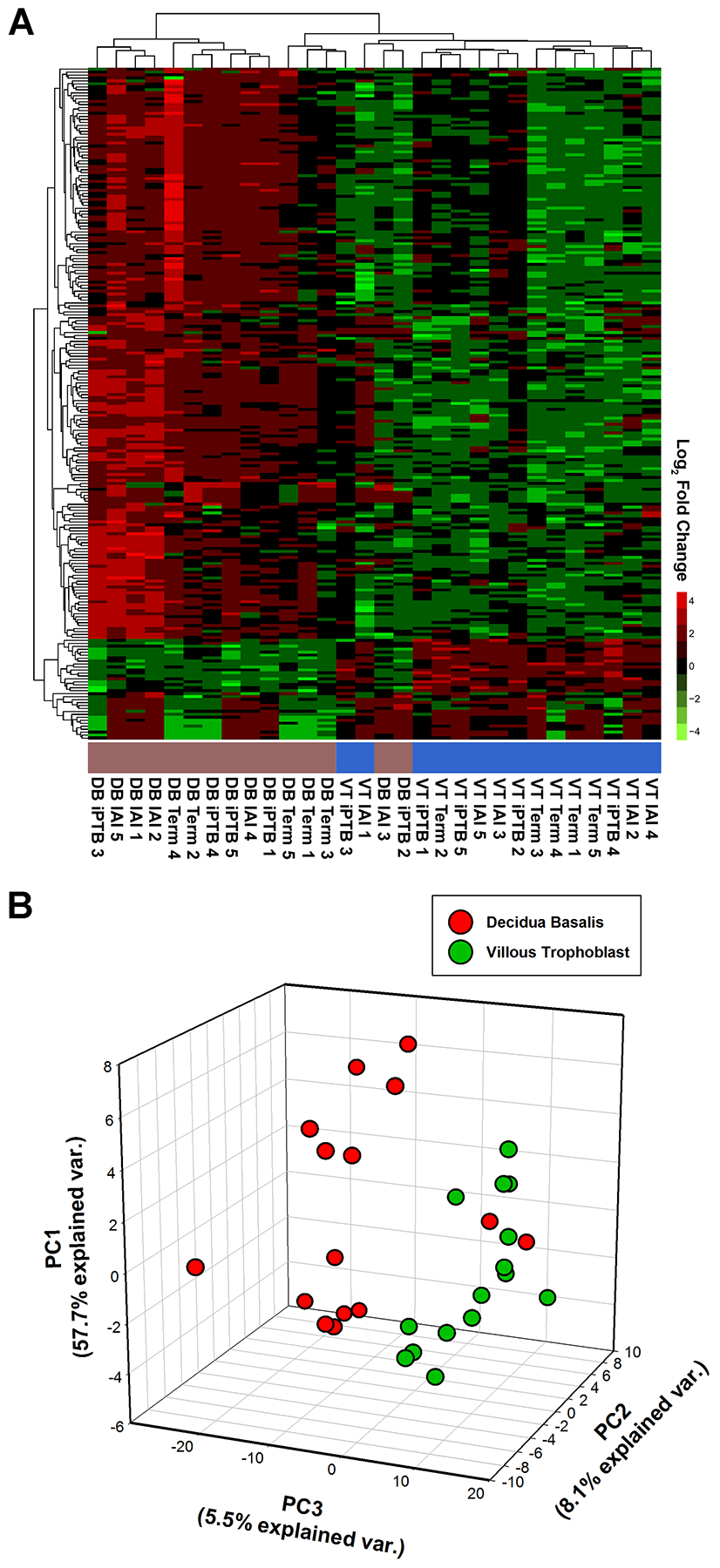
Figure 4.. RNA transcripts consistently enriched in placental decidua basalis (DB) specimens compared to villous trophoblast (VT).
(A) Heat map of RNA transcripts identified as being relatively enriched in the DB or VT in at least one of the three delivery scenarios [intra-amniotic infection (IAI), idiopathic preterm birth (iPTB), and term). (B) Three-dimensional scatterplot of principal component analysis (PCA) results for transcripts enriched in either the DB (red dots) or VT (green dots) specimens. Both methods revealed that 13 of the 15 DB specimens co-clustered, whereas the remainder clustered with the VT specimens.

References

    1. Goldenberg RL, Culhane JF, Iams JD, Romero R, Epidemiology and causes of preterm birth, Lancet 371(9606) (2008) 75–84. - PMC - PubMed
    1. Buhimschi IA, Buhimschi CS, Proteomics/diagnosis of chorioamnionitis and of relationships with the fetal exposome, Semin Fetal Neonatal Med 17(1) (2012) 36–45. - PMC - PubMed
    1. Shute KM, Kimber RG, Haemophilus influenzae intra-amniotic infection with intact membranes, J Am Board Fam Pract 7(4) (1994) 335–41. - PubMed
    1. Riggs MA, Maunsell FP, Reyes L, Brown MB, Hematogenous infection of Sprague-Dawley rats with Mycoplasma pulmonis: development of a model for maternal and fetal infection, Am J Obstet Gynecol 198(3) (2008) 318 e1–7. - PMC - PubMed
    1. Katz J, Chegini N, Shiverick KT, Lamont RJ, Localization of P. gingivalis in preterm delivery placenta, J Dent Res 88(6) (2009) 575–8. - PMC - PubMed

Publication types