


HBV DNA Integration and Clonal Hepatocyte Expansion in Chronic Hepatitis B Patients Considered Immune Tolerant
- PMID: 27453547
- PMCID: PMC8406433
- DOI: 10.1053/j.gastro.2016.07.012
HBV DNA Integration and Clonal Hepatocyte Expansion in Chronic Hepatitis B Patients Considered Immune Tolerant
Abstract
Background & aims: Chronic infection with hepatitis B virus (HBV) progresses through different phases. The first, called the immune-tolerant phase, has been associated with a lack of disease activity. We examined HBV-DNA integration, clonal hepatocyte expansion, HBV antigen expression, and HBV-specific immune responses in patients in the immune-tolerant phase to assess whether this designation is appropriate or if there is evidence of disease activity.
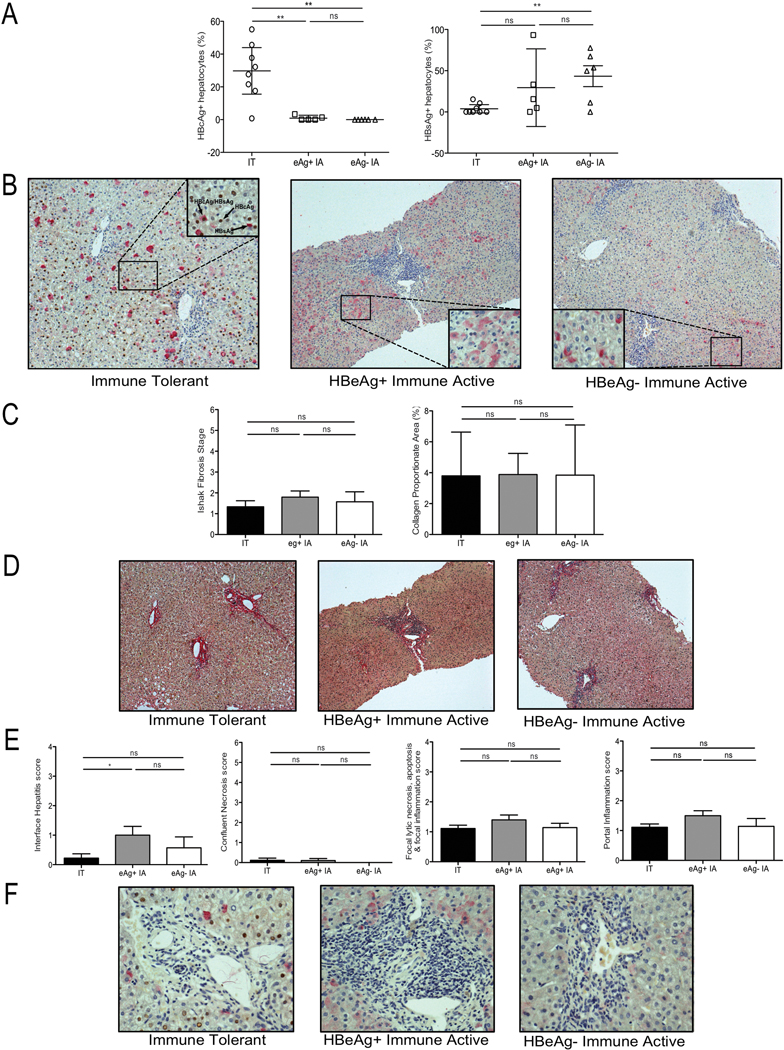
Methods: We studied HBV-DNA integration, clonal hepatocyte expansion, and expression of hepatitis B surface antigen and core antigen in liver tissues from 26 patients with chronic HBV infection (ages, 14-39 y); 9 patients were positive for hepatitis B e antigen (HBeAg) in the immune-tolerant phase and were matched for age with 10 HBeAg-positive patients with active disease and 7 HBeAg-negative patients with active disease. Peripheral blood samples were collected and HBV-specific T cells were quantified for each group.
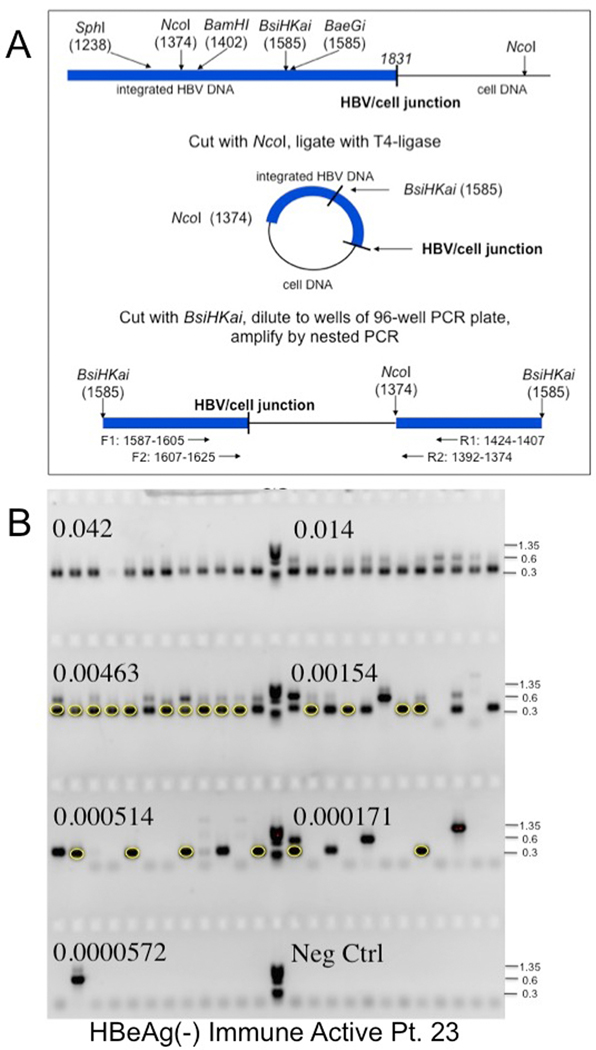
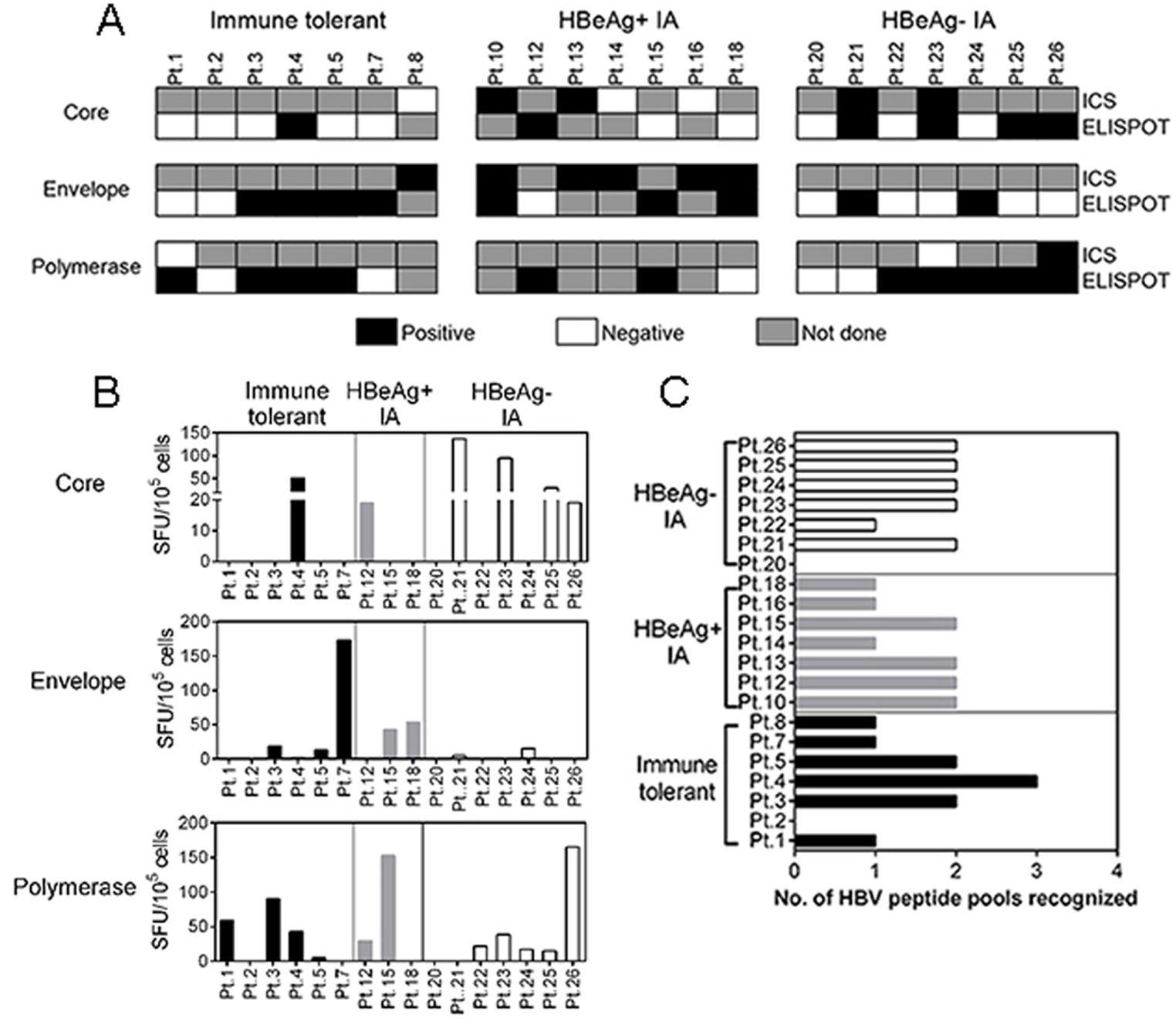
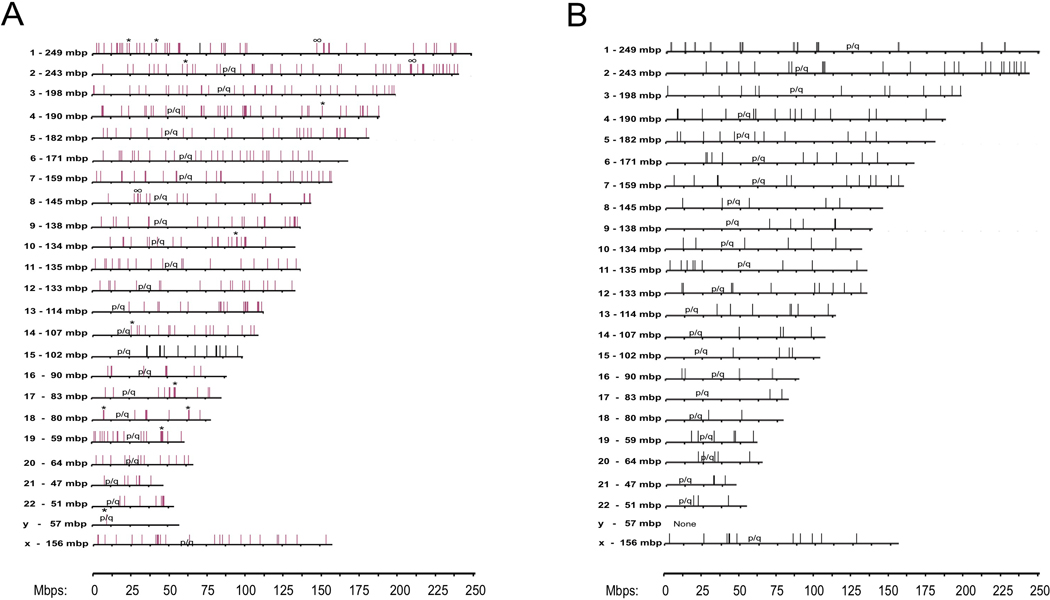
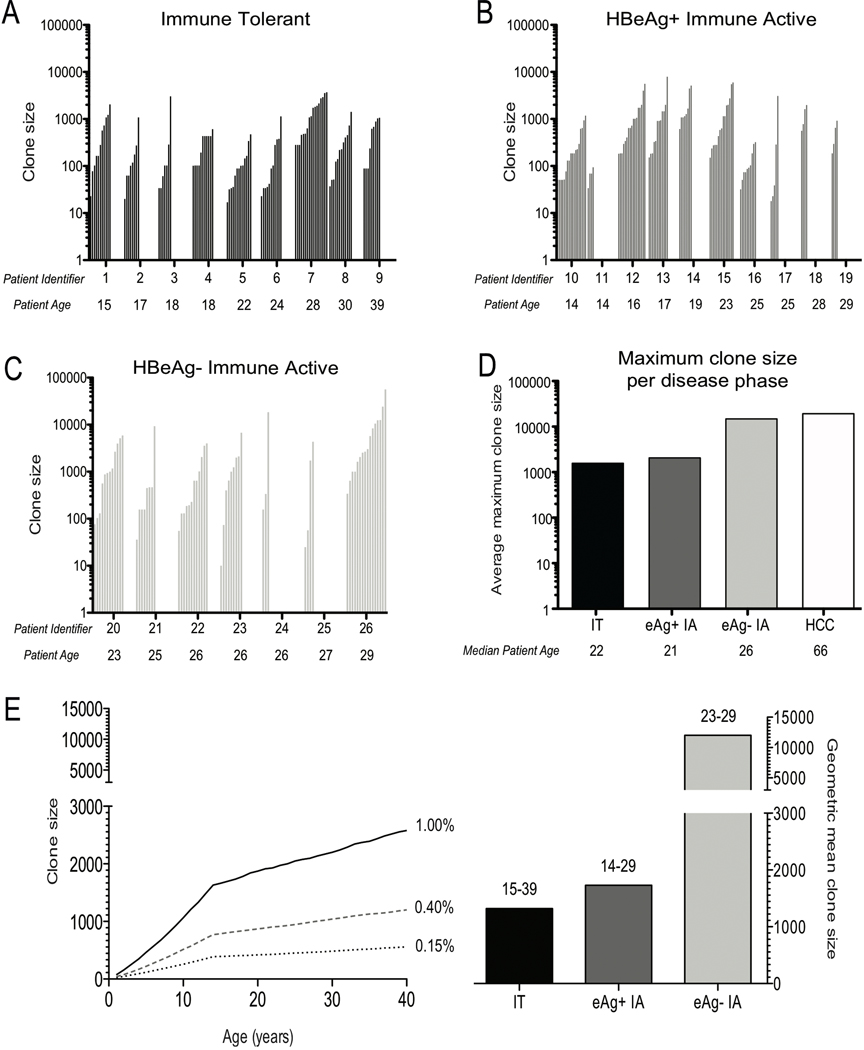
Results: Detection of HBV antigens differed among groups. However, unexpectedly high numbers of HBV-DNA integrations, randomly distributed among chromosomes, were detected in all groups. Clonal hepatocyte expansion in patients considered immune tolerant also was greater than expected, potentially in response to hepatocyte turnover mediated by HBV-specific T cells, which were detected in peripheral blood cells from patients in all phases of infection.
Conclusions: We measured HBV-specific T cells, HBV-DNA integration, and clonal hepatocyte expansion in different disease phases of young patients with chronic hepatitis B, with emphasis on the so-called immune-tolerant phase. A high level of HBV-DNA integration and clonal hepatocyte expansion in patients considered immune tolerant indicated that hepatocarcinogenesis could be underway-even in patients with early stage chronic HBV infection. Our findings do not support the concepts that this phase is devoid of markers of disease progression or that an immune response has not been initiated. We propose that this early phase be called a high-replication, low-inflammation stage. The timing of therapeutic interventions to minimize further genetic damage to the hepatocyte population should be reconsidered.
Keywords: Antiviral Immunity; HBV Replication; HBsAg; Hepatocyte Proliferation.
Copyright © 2016 AGA Institute. Published by Elsevier Inc. All rights reserved.
Conflict of interest statement
Figures
Comment in
-
The Concept of Immune Tolerance in Chronic Hepatitis B Virus Infection Is Alive and Well.Gastroenterology. 2016 Nov;151(5):801-804. doi: 10.1053/j.gastro.2016.09.037. Epub 2016 Oct 1. Gastroenterology. 2016. PMID: 27702559 Free PMC article. No abstract available.
-
"To Be or Not to Be": Immune Tolerance in Chronic Hepatitis B.Gastroenterology. 2016 Nov;151(5):805-806. doi: 10.1053/j.gastro.2016.09.038. Epub 2016 Oct 1. Gastroenterology. 2016. PMID: 27702560 No abstract available.
-
Immune Tolerance Phase of Chronic Hepatitis B.Gastroenterology. 2017 Apr;152(5):1245-1246. doi: 10.1053/j.gastro.2016.11.057. Epub 2017 Mar 6. Gastroenterology. 2017. PMID: 28273436 No abstract available.
-
Reply.Gastroenterology. 2017 Apr;152(5):1246-1247. doi: 10.1053/j.gastro.2017.03.002. Epub 2017 Mar 6. Gastroenterology. 2017. PMID: 28273438 No abstract available.
References
-
- Zoulim F, Mason WS. Reasons to consider earlier treatment of chronic HBV infections. Gut 2012;61:333–336. - PubMed
-
- Gill US, Zissimopoulos A, Al-Shamma S, et al. Assessment of bone mineral density in tenofovir-treated patients with chronic hepatitis B: can the fracture risk assessment tool identify those at greatest risk? J Infect Dis 2015;211:374–382. - PubMed
-
- Kennedy PT, Sandalova E, Jo J, et al. Preserved T-cell function in children and young adults with immune-tolerant chronic hepatitis B. Gastroenterology 2012;143:637–645. - PubMed
MeSH terms
Substances
Grants and funding
LinkOut - more resources
Full Text Sources
Other Literature Sources
