


New molecular targets for the treatment of sarcoidosis
- PMID: 27454074
- PMCID: PMC5152532
- DOI: 10.1097/MCP.0000000000000304
New molecular targets for the treatment of sarcoidosis
Abstract
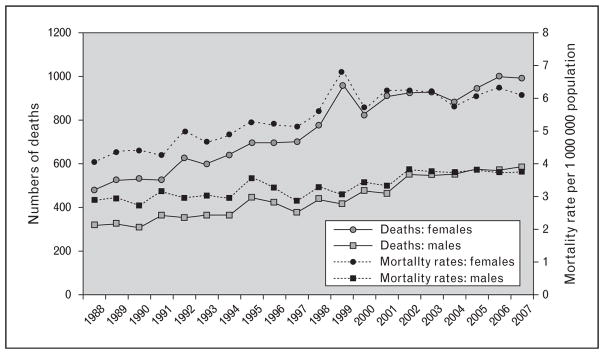
Purpose of review: Sarcoidosis is a chronic granulomatous disease typically affecting the lung, lymph nodes, and other organ systems. Evidence suggests that the morbidity and mortality rates for sarcoidosis in the USA are rising, despite widespread use of anti-inflammatory therapies. In this review, we survey new therapies that target specific inflammatory pathways in other diseases (such as rheumatoid arthritis, Crohn's disease, and psoriasis) that are similar to pathways relevant to sarcoidosis immunopathogenesis, and therefore, represent potentially new sarcoidosis therapies.
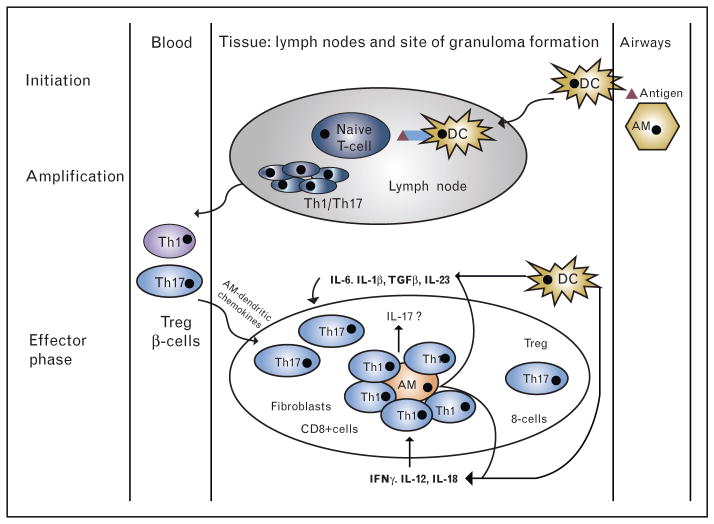
Recent findings: Immunopathogenesis of sarcoidosis has been well elucidated over the past few years. There is abundant evidence for T-cell activation in sarcoidosis leading to activation of both Th1 and Th17 inflammatory cascades. Therapies targeting T-cell activation, Th1 pathways (such as the interleukin-6 inhibitors), Th17 pathway mediators, and others have been Food and Drug Administration approved or under investigation to treat a variety of autoimmune inflammatory diseases, but have not been studied in sarcoidosis. Targeting the p38 mitogen-activated protein kinases and the ubiquitine proteasome system with new agents may also represent a novel therapeutic option for patients with sarcoidosis.
Summary: Rising morbidity and mortality rates for patients with sarcoidosis strongly support the need to develop more effective anti-inflammatory therapies to treat chronic disease.
Conflict of interest statement
There are no conflicts of interest.
Figures
References
-
- Valeyre D, Prasse A, Nunes H, et al. Sarcoidosis. Lancet. 2014;383:1155–1167. - PubMed
-
- Baughman RP, Judson MA, Teirstein A, et al. Presenting characteristics as predictors of duration of treatment in sarcoidosis. QJM. 2006;99:307–315. - PubMed
-
- Baughman RP, Nagai S, Balter M, et al. Defining the clinical outcome status (COS) in sarcoidosis: results of WASOG Task Force. Sarcoidosis Vasc Diffuse Lung Dis. 2011;28:56–64. - PubMed
-
- Baughman RP, Grutters JC. New treatment strategies for pulmonary sarcoidosis: antimetabolites, biological drugs, and other treatment approaches. Lancet Respir Med. 2015;3:813–823. This is an excellent review of the current therapeutic strategies for managing chronic and refractory disease. - PubMed
-
- Droughtvourt C, Rybojad M, Porcher R, et al. A Randomized, investigator-masked, double-blind, placebo-controlled trial on thalidomide in severe cutaneous sarcoidosis. Chest. 2014;146:1046–1054. - PubMed
Publication types
MeSH terms
Grants and funding
LinkOut - more resources
Full Text Sources
Other Literature Sources
Medical
Research Materials
Miscellaneous
