


Breast Cancer Research in the Nurses' Health Studies: Exposures Across the Life Course
- PMID: 27459456
- PMCID: PMC4981804
- DOI: 10.2105/AJPH.2016.303325
Breast Cancer Research in the Nurses' Health Studies: Exposures Across the Life Course
Abstract
Objectives: To review the contribution of the Nurses' Heath Study (NHS) and the NHS II in identifying risk and protective factors for breast cancer incidence and survival.
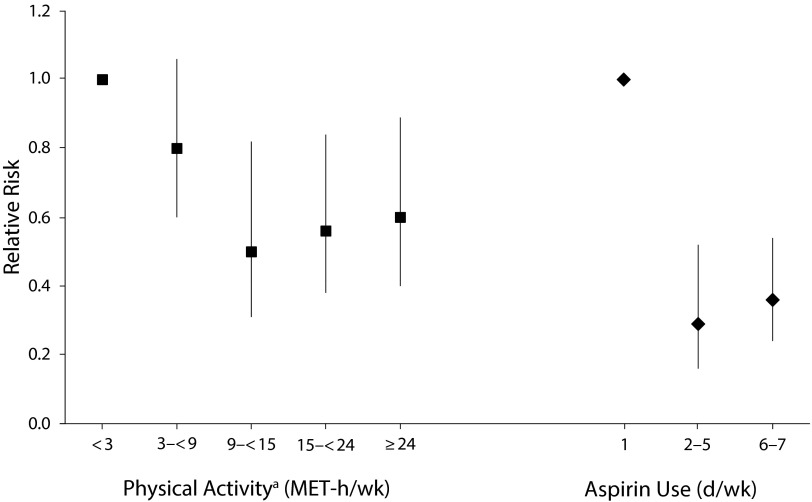
Methods: We conducted a narrative review of NHS and NHS II articles on breast cancer incidence and survival published from 1976 to 2016, with a focus on exogenous and endogenous hormones; lifestyle factors, including diet, physical activity, and aspirin use; intermediate markers of risk; and genetic factors.
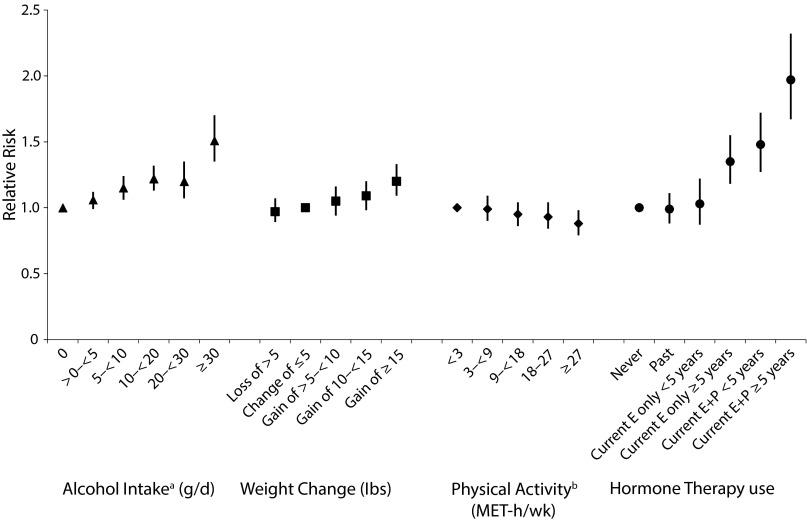
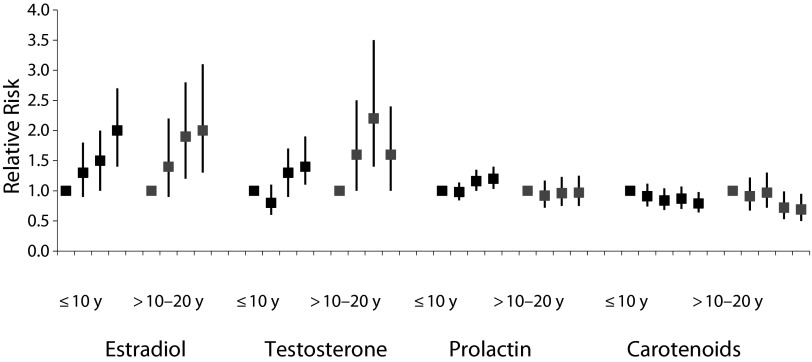
Results: With the investigation of individual risk factors, as well as their incorporation into risk prediction models, the NHS has contributed to the identification of ways in which women may reduce breast cancer risk, including limiting alcohol consumption, reducing the duration of postmenopausal estrogen-plus-progestin use, avoiding weight gain, and increasing vegetable consumption. In addition, the NHS has helped elucidate the roles of several biomarkers and contributed to the identification of risk alleles.
Conclusions: The NHS has contributed to our understanding of lifestyle, hormonal, and genetic risk factors for breast cancer, highlighting the importance of exposures across the life course, and has helped identify lifestyle changes that may reduce risk and improve survival after a diagnosis of breast cancer.
Figures
References
-
- Lipnick RJ, Buring JE, Hennekens CH et al. Oral contraceptives and breast cancer. A prospective cohort study. JAMA. 1986;255(1):58–61. - PubMed
-
- Breast cancer and hormonal contraceptives: further results. Collaborative Group on Hormonal Factors in Breast Cancer. Contraception. 1996;54(3 suppl):1S–106S. - PubMed
-
- Colditz GA, Stampfer MJ, Willett WC, Hennekens CH, Rosner B, Speizer FE. Prospective study of estrogen replacement therapy and risk of breast cancer in postmenopausal women. JAMA. 1990;264(20):2648–2653. - PubMed
Publication types
MeSH terms
Grants and funding
LinkOut - more resources
Full Text Sources
Other Literature Sources
Medical
