


The effects of fixed and removable orthodontic retainers: a systematic review
- PMID: 27459974
- PMCID: PMC4961661
- DOI: 10.1186/s40510-016-0137-x
The effects of fixed and removable orthodontic retainers: a systematic review
Abstract
Objective: In the view of the widespread acceptance of indefinite retention, it is important to determine the effects of fixed and removable orthodontic retainers on periodontal health, survival and failure rates of retainers, cost-effectiveness, and impact of orthodontic retainers on patient-reported outcomes.
Methods: A comprehensive literature search was undertaken based on a defined electronic and gray literature search strategy (
Prospero: CRD42015029169). The following databases were searched (up to October 2015); MEDLINE via OVID, PubMed, the Cochrane Central Register of Controlled Trials, LILACS, BBO, ClinicalTrials.gov, the National Research Register, and ProQuest Dissertation and Thesis database. Randomized and non-randomized controlled clinical trials, prospective cohort studies, and case series (minimum sample size of 20) with minimum follow-up periods of 6 months reporting periodontal health, survival and failure rates of retainers, cost-effectiveness, and impact of orthodontic retainers on patient-reported outcomes were identified. The Cochrane Collaboration's Risk of Bias tool and Newcastle-Ottawa Scale were used to assess the quality of included trials.
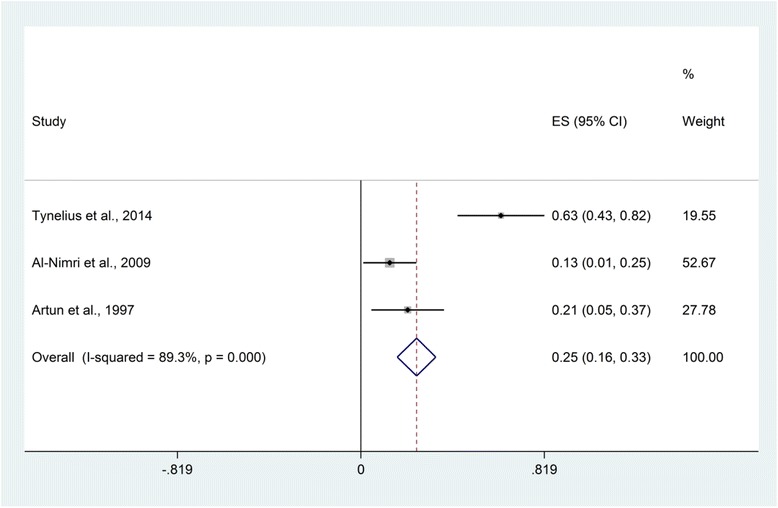
Results: Twenty-four studies were identified, 18 randomized controlled trials and 6 prospective cohort studies. Of these, only 16 were deemed to be of high quality. Meta-analysis was unfeasible due to considerable clinical heterogeneity and variations in outcome measures. The mean failure risk for mandibular stainless steel fixed retainers bonded from canine to canine was 0.29 (95 % confidence interval [CI] 0.26, 0.33) and for those bonded to canines only was 0.25 (95 % CI: 0.16, 0.33). A meta-regression suggested that failure of fixed stainless steel mandibular retainers was not directly related to the period elapsed since placement (P = 0.938).
Conclusion: Further well-designed prospective studies are needed to elucidate the benefits and potential harms associated with orthodontic retainers.
Keywords: Cost-effectiveness; Failure rate; Orthodontic retainer; Patient-reported outcomes; Periodontal; Survival rate.
Figures


Comment in
-
Fixed and removable orthodontic retainers and periodontal health.Evid Based Dent. 2017 Dec 22;18(4):103-104. doi: 10.1038/sj.ebd.6401267. Evid Based Dent. 2017. PMID: 29269822
References
Publication types
MeSH terms
Substances
LinkOut - more resources
Full Text Sources
Other Literature Sources
