


Evolutionary and social consequences of introgression of nontransgenic herbicide resistance from rice to weedy rice in Brazil
- PMID: 27468302
- PMCID: PMC4947146
- DOI: 10.1111/eva.12387
Evolutionary and social consequences of introgression of nontransgenic herbicide resistance from rice to weedy rice in Brazil
Abstract
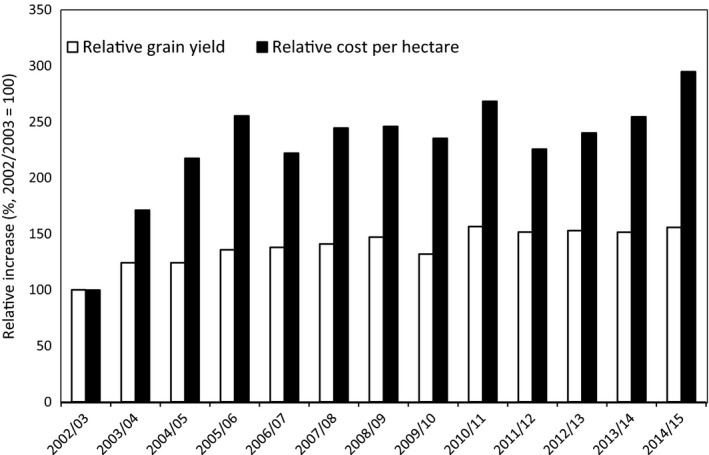
Several studies have expressed concerns about the effects of gene flow from transgenic herbicide-resistant crops to their wild relatives, but no major problems have been observed. This review describes a case study in which what has been feared in transgenics regarding gene flow has actually changed biodiversity and people's lives. Nontransgenic imidazolinone-resistant rice (IMI-rice) cultivars increased the rice grain yield by 50% in southern Brazil. This increase was beneficial for life quality of the farmers and also improved the regional economy. However, weedy rice resistant to imidazolinone herbicides started to evolve three years after the first use of IMI-rice cultivars. Population genetic studies indicate that the herbicide-resistant weedy rice was mainly originated from gene flow from resistant cultivars and distributed by seed migration. The problems related with herbicide-resistant weedy rice increased the production costs of rice that forced farmers to sell or rent their land. Gene flow from cultivated rice to weedy rice has proven to be a large agricultural, economic, and social constraint in the use of herbicide-resistant technologies in rice. This problem must be taken into account for the development of new transgenic or nontransgenic rice technologies.
Keywords: ClearfieldTM; acetolactate synthase; fitness; gene flow; herbicide resistance; imazethapyr; outcrossing; red rice.
Figures

References
-
- Al‐Ahmad, H. , Galili S., and Gressel J. 2004. Tandem constructs to mitigate transgene persistence: tobacco as a model. Molecular Ecology 13:697–710. - PubMed
-
- Andres, A. , Fogliatto S., Ferrero A., and Vidotto F. 2014. Susceptibility to imazamox in Italian weedy rice populations and Clearfield(R) rice varieties. Weed Research 54:492–500.
-
- Arrieta‐Espinoza, G. , Sanchez E., Vargas S., Lobo J., Quesada T., and Espinoza A. M. 2005. The weedy rice complex in Costa Rica. I. Morphological study of relationships between commercial rice varieties, wild Oryza relatives and weedy types. Genetic Resources and Crop Evolution 52:575–587.
-
- Avila, L. A. , Lee D. J., Senseman S. A., McCauley G. N., Chandler J. M., and Cothren J. T. 2005. Assessment of acetolactate synthase (ALS) tolerance to imazethapyr in red rice ecotypes (Oryza spp) and imidazolinone tolerant/resistant rice (Oryza sativa) varieties. Pest Management Science 61:171–178. - PubMed
-
- Burgos, N. R. , Norsworthy J. K., Scott R. C., and Smith K. L. 2008. Red rice (Oryza sativa) status after 5 years of imidazolinone‐resistant rice technology in Arkansas. Weed Technology 22:200–208.
Publication types
LinkOut - more resources
Full Text Sources
Other Literature Sources
Miscellaneous
