


Exosomes as therapeutic drug carriers and delivery vehicles across biological membranes: current perspectives and future challenges
- PMID: 27471669
- PMCID: PMC4951582
- DOI: 10.1016/j.apsb.2016.02.001
Exosomes as therapeutic drug carriers and delivery vehicles across biological membranes: current perspectives and future challenges
Abstract
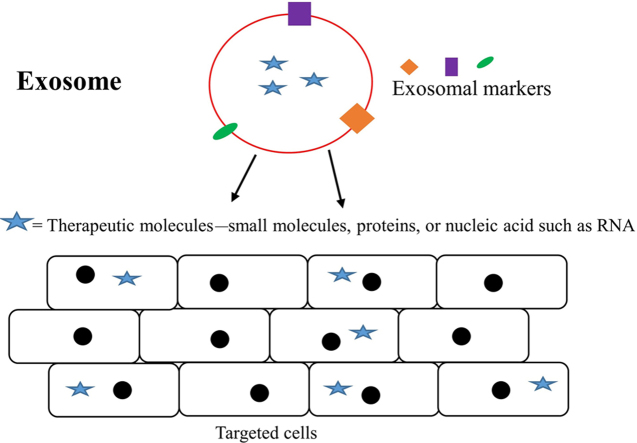
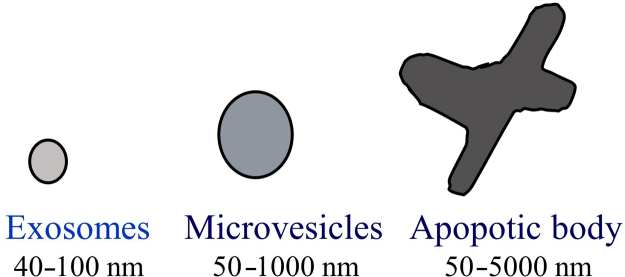
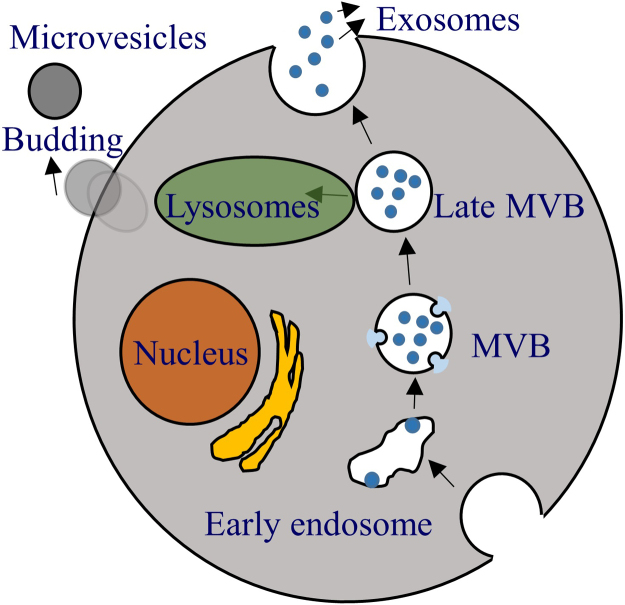
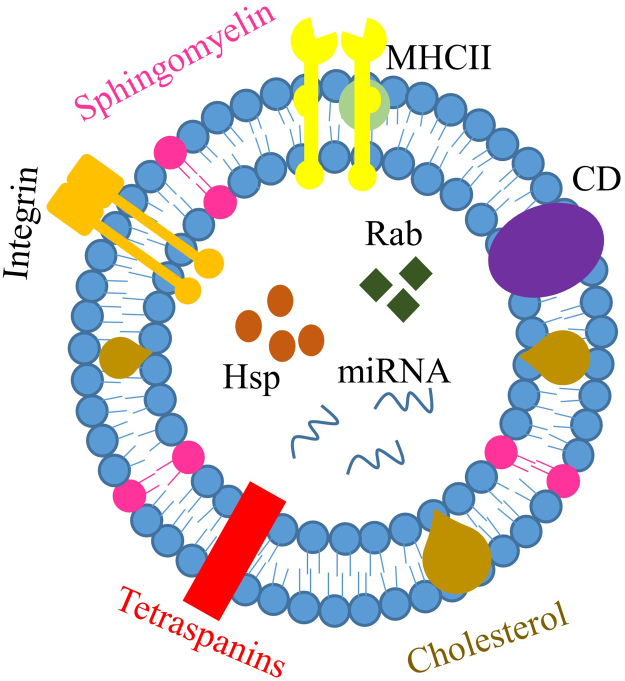
Exosomes are small intracellular membrane-based vesicles with different compositions that are involved in several biological and pathological processes. The exploitation of exosomes as drug delivery vehicles offers important advantages compared to other nanoparticulate drug delivery systems such as liposomes and polymeric nanoparticles; exosomes are non-immunogenic in nature due to similar composition as body׳s own cells. In this article, the origin and structure of exosomes as well as their biological functions are outlined. We will then focus on specific applications of exosomes as drug delivery systems in pharmaceutical drug development. An overview of the advantages and challenges faced when using exosomes as a pharmaceutical drug delivery vehicles will also be discussed.
Keywords: ALIX, ALG-2 interacting protein X; ATPase, adenosine triphosphatase; BBB, blood–brain barrier; CCK-8, cell counting kit-8; CD, cluster of differentiation; DIL, 1,1′-dioctadecyl-3,3,3′,3′-tetramethylindocarbocyanine perchlorate; DNA, deoxyribonucleic acid; Drug delivery systems; EGF, epidermal growth factor; EGFR, epidermal growth factor receptor; ESCRT, endosomal sorting complexes required for transport; EV, extracellular vesicle; EpCAM, epithelial cell adhesion molecule; Exosomes; Extracellular vesicles; HEK293, human embryonic kidney cell line 293; HIV, human immunodeficiency virus; HMGA2, high-mobility group AT-hook protein; HeLa, Henrietta Lacks cells; Hsp, heat shock proteins; IL-6, interleukin-6; ILVs, intraluminal vesicles; LPS, lipopolysaccharides; MAPK-1, mitogen-activated protein kinase 1; MHC, major histocompatibility complex; MPS, mononuclear phagocyte system; MVB, multi-vesicular body biogenesis; Nanocarrier; PBMC, peripheral blood mononuclear cells; PD, Parkinson’s disease; PEG, polyethylene glycol; RNA, ribonucleic acid; ROS, reactive oxygen species; RPE1, retinal pigment epithelial cells 1; TNF-α, tumor necrosis factor α; TSG101, tumor susceptibility gene 101; VPS4, vacuolar protein sorting-associated protein 4; kRAS, Kirsten rat sarcoma; mRNA, messenger RNA; miRNA, micro RNA; siRNA, small interference RNA.
Figures
References
-
- Lai R.C., Yeo R.W.Y., Tan K.H., Lim S.K. Exosomes for drug delivery—a novel application for the mesenchymal stem cell. Biotechnol Adv. 2013;31:543–551. - PubMed
-
- Schiller M., Bekeredjian-Ding I., Heyder P., Blank N., Ho A.D., Lorenz H.M. Autoantigens are translocated into small apoptotic bodies during early stages of apoptosis. Cell Death Differ. 2008;15:183–191. - PubMed
-
- Gregory C.D., Pound J.D. Microenvironmental influences of apoptosis in vivo and in vitro. Apoptosis. 2010;15:1029–1049. - PubMed
-
- Johnstone R.M. Revisiting the road to the discovery of exosomes. Blood Cells Mol Dis. 2005;34:214–219. - PubMed
Publication types
LinkOut - more resources
Full Text Sources
Other Literature Sources
Research Materials
Miscellaneous
