Review
. 2016 Aug 1;126(8):2775-82.
doi: 10.1172/JCI84421. Epub 2016 Aug 1.

The bright side of dark matter: lncRNAs in cancer

Review

The bright side of dark matter: lncRNAs in cancer

Joseph R Evans et al. J Clin Invest. .

Abstract

The traditional view of genome organization has been upended in the last decade with the discovery of vast amounts of non-protein-coding transcription. After initial concerns that this "dark matter" of the genome was transcriptional noise, it is apparent that a subset of these noncoding RNAs are functional. Long noncoding RNA (lncRNA) genes resemble protein-coding genes in several key aspects, and they have myriad molecular functions across many cellular pathways and processes, including oncogenic signaling. The number of lncRNA genes has recently been greatly expanded by our group to triple the number of protein-coding genes; therefore, lncRNAs are likely to play a role in many biological processes. Based on their large number and expression specificity in a variety of cancers, lncRNAs are likely to serve as the basis for many clinical applications in oncology.


Figures
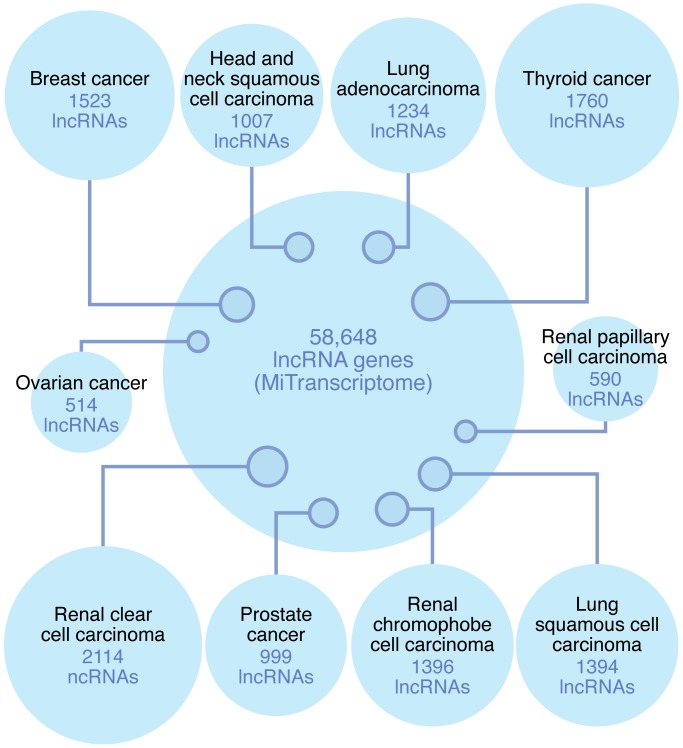
Figure 1
Figure 1. Scale of lncRNA genes.
The identification of lncRNA genes has progressed rapidly since their recognition. Early efforts identified several thousand lncRNA genes at a time, and there were initial indications that lncRNAs exhibited greater expression restriction than protein-coding genes. Through our large-scale MiTranscriptome bioinformatics effort, we greatly expanded the number of lncRNAs to nearly 60,000, while the number of protein-coding genes remained approximately 21,000. Additionally, our pipeline demonstrated that nearly 8,000 lncRNA genes were highly cancer and/or lineage specific.
Figure 2
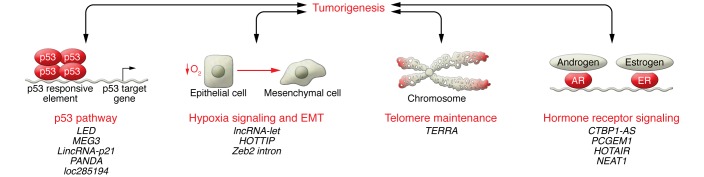
Figure 2. Selected examples of lncRNAs in cancer biology.
The sheer number of lncRNA genes strongly suggests that lncRNAs are involved in every cellular and disease process, including tumorigenesis and cancer biology. Numerous lncRNA roles in cancer biology have already been described, so that it is impossible to list them exhaustively. Here, we have provided several select examples of classic cancer biology processes and listed several lncRNAs that have been implicated in each.
Figure 3
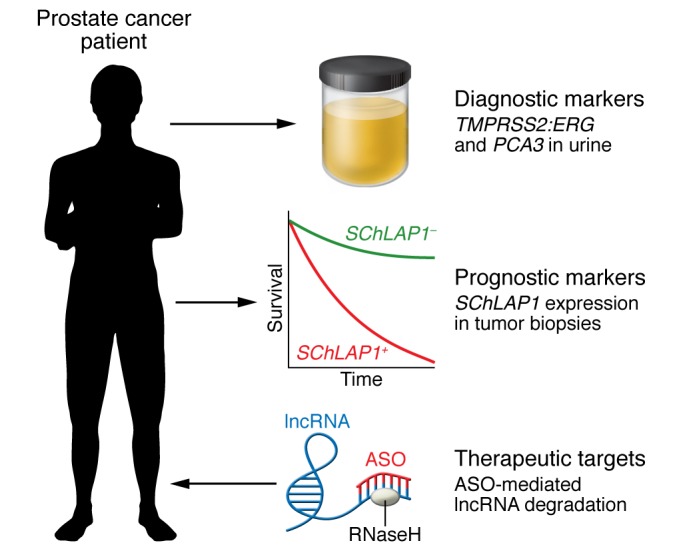
Figure 3. Promise of lncRNAs in oncology.
The vast number of lncRNAs and their cancer-specific expression portends great promise for taking advantage of lncRNAs in cancer patient management across diagnostic and prognostic biomarkers and as therapeutic targets. Here we have highlighted prostate cancer as an exemplar. The lncRNA PCA3 is expressed very specifically by prostate tumor cells, which led to its use in a commercial urine diagnostic test, along with the prostate tumor–specific gene fusion TMPRSS2-ERG RNA (79, 80). The lncRNA SChLAP1 has been shown to be a very powerful prognostic marker of metastatic progression risk after prostatectomy for high-risk prostate cancer and could be used to guide therapy intensification through an ISH test (78). lncRNAs are also very attractive therapeutic targets, and several targeting strategies have shown promise, including ASOs, which have been approved for 2 noncancer diseases (89, 90). We expect that lncRNA-based therapeutics will see a rapid clinical expansion in the near future.

References

    1. Lander ES, et al. Initial sequencing and analysis of the human genome. Nature. 2001;409(6822):860–921. doi: 10.1038/35057062. - DOI - PubMed
    1. Liang F, Holt I, Pertea G, Karamycheva S, Salzberg SL, Quackenbush J. Gene index analysis of the human genome estimates approximately 120,000 genes. Nat Genet. 2000;25(2):239–240. doi: 10.1038/76126. - DOI - PubMed
    1. ENCODE Project Consortium. et al. Identification and analysis of functional elements in 1% of the human genome by the ENCODE pilot project. Nature. 2007;447(7146):799–816. doi: 10.1038/nature05874. - DOI - PMC - PubMed
    1. Blake WJ, KAErn M, Cantor CR, Collins JJ. Noise in eukaryotic gene expression. Nature. 2003;422(6932):633–637. doi: 10.1038/nature01546. - DOI - PubMed
    1. Struhl K. Transcriptional noise and the fidelity of initiation by RNA polymerase II. Nat Struct Mol Biol. 2007;14(2):103–105. doi: 10.1038/nsmb0207-103. - DOI - PubMed

Publication types