


Mutation in SLC6A9 encoding a glycine transporter causes a novel form of non-ketotic hyperglycinemia in humans
- PMID: 27481395
- PMCID: PMC5052303
- DOI: 10.1007/s00439-016-1719-x
Mutation in SLC6A9 encoding a glycine transporter causes a novel form of non-ketotic hyperglycinemia in humans
Abstract
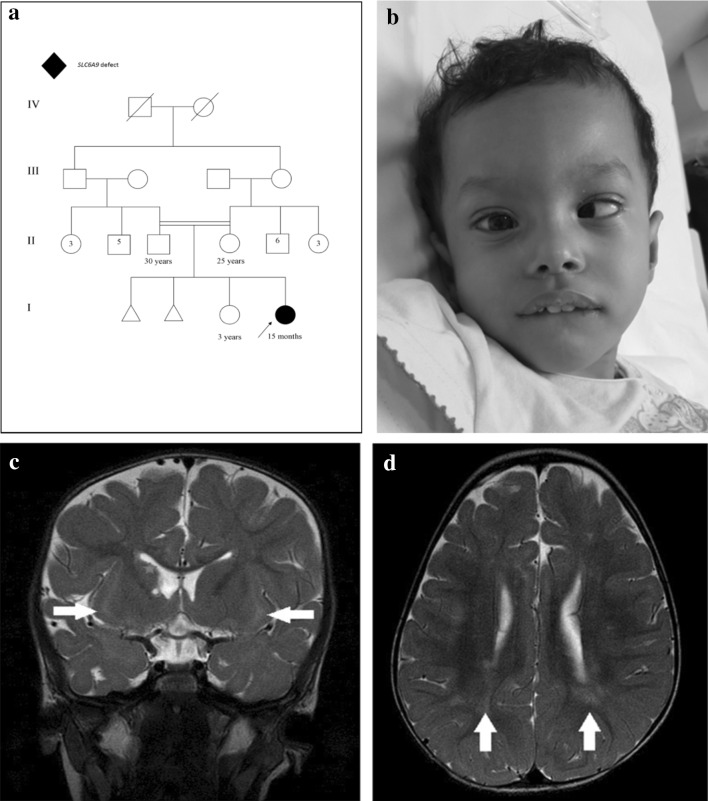
Glycine cleavage system (GCS) catalyzes the degradation of glycine and disruption of its components encoded by GLDC, AMT and GCSH are the only known causes of glycine encephalopathy, also known as non-ketotic hyperglycinemia (NKH). In this report, we describe a consanguineous family with one child who presented with NKH, but harbored no pathogenic variants in any of the three genes linked to this condition. Whole-exome sequencing revealed a novel homozygous missense variant in exon 9 of SLC6A9 NM_201649.3: c.1219 A>G (p.Ser407Gly) that segregates with the disease within the family. This variant replaces the highly conserved S407 in the ion-binding site of this glycine transporter and is predicted to disrupt its function. In murine model, knockout of Slc6a9 is associated with equivalent phenotype of NKH, namely respiratory distress and hypotonia. This is the first demonstration that mutation of the glycine transporter can be associated with NKH in humans.
Conflict of interest statement
The authors declare that they have no competing interests. Funding statement This research received no funding grant from public, commercial or not-for-profit sectors.
Figures

References
Publication types
MeSH terms
Substances
LinkOut - more resources
Full Text Sources
Other Literature Sources
Medical
Molecular Biology Databases
