


Aloe-Vera: A Nature's Gift to Children
- PMID: 27507917
- PMCID: PMC4968173
- DOI: 10.5005/jp-journals-10005-1059
Aloe-Vera: A Nature's Gift to Children
Abstract
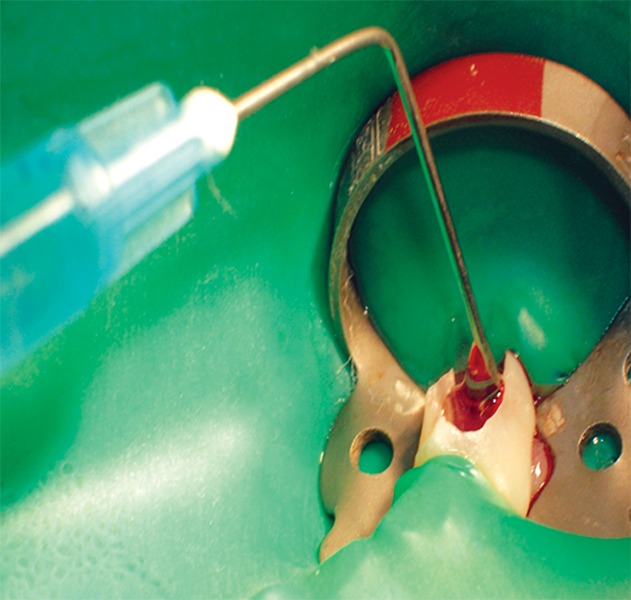
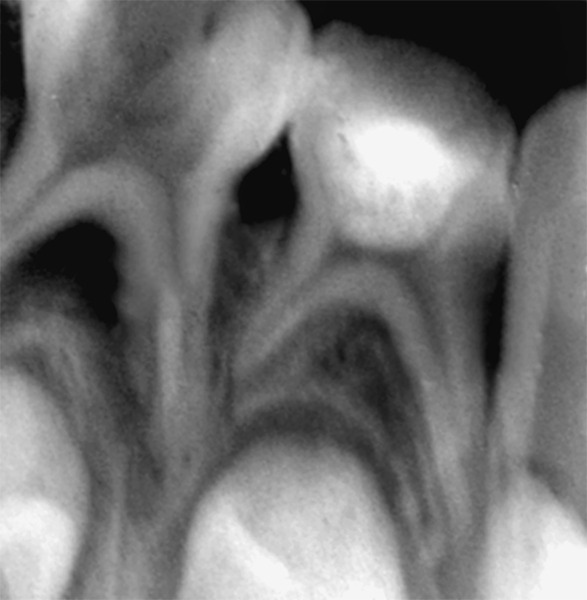
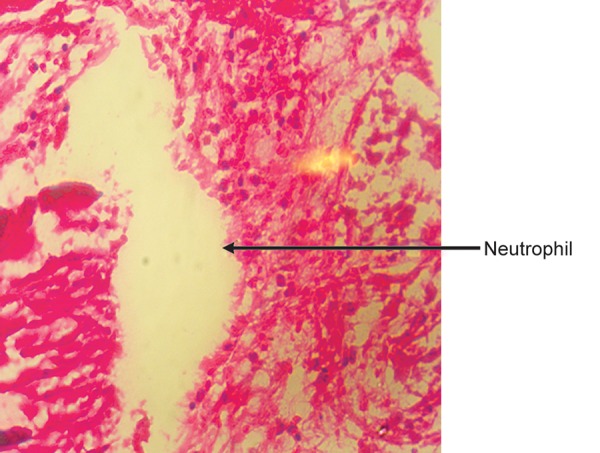
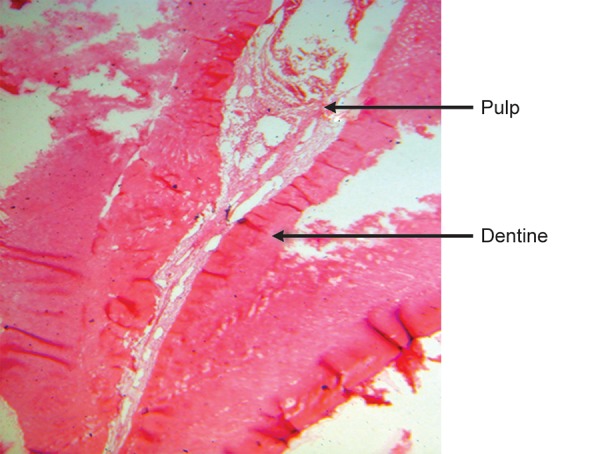
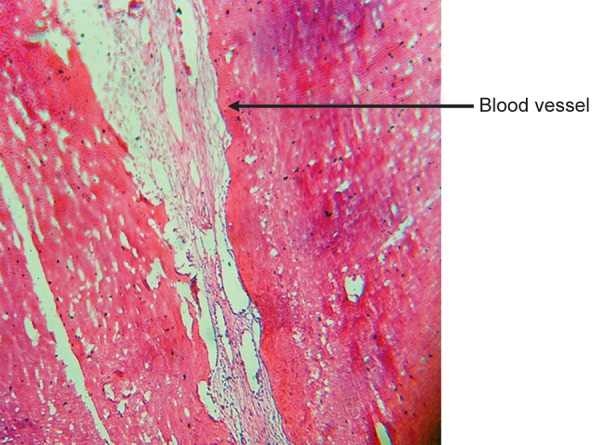
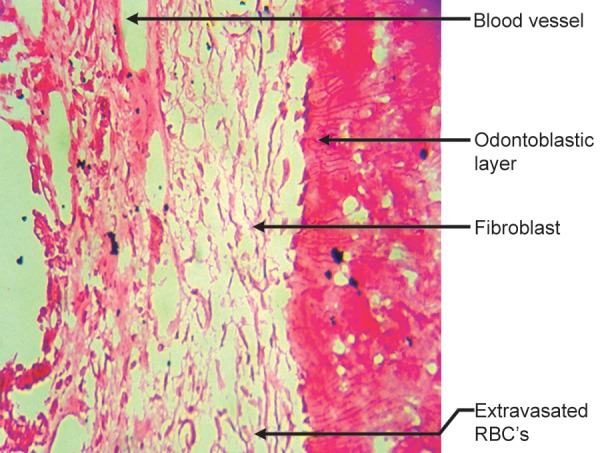
(1)Aloe-Barbadensis Mill (Liliaceae) is used in the traditional medicine of Mexico and other countries for anti-inflammatory and cosmetic purposes (Diez-Martinez 1981, Grindlay and Reynolds 1986). Two components are obtained from the fresh leaves of Aloe-Barbadensis, a bitter yellow juice (exudate), which drains from the transversally cut leaves used as a laxative (Ishii et al 1990) and a mucilaginous gel from leaf parenchyma, which has been used as a remedy for a variety of pathological states such as arthritis, gout, acne, dermatitis, burns and peptic ulcers induced by epithelial alterations (Cap-passo and Ganginella 1997, Reynolds and Dweek 1999). The aim of this study is to evaluate efficacy of Aloe-Vera gel as a healing agent in an endodontic procedure called pulpotomy. Fifteen primary molars were treated for pulpotomy using 'Aloe-Vera gel'. Patients were recalled after 1 month to check for any clinical symptoms. None of the patients reported with clinical symptoms of pain, mobility, abscess and histopathological evaluation done following extraction after 2 months showed positive signs of healing.
Keywords: Aloe-Vera gel; deciduous teeth; histopathological sections.; pulpotomy.
Figures
References
-
- Vazquez B, Avila G, Segura D, Escalante B. Antiinflammatory activity of extracts from Aloe Vera gel. J Ethnopharmacol. 1996 Dec;55(1):69–75. - PubMed
-
- Reddy S, Ramakrishna Y. Evaluation of antimicrobial efficacy of various root canal filling materials used in primary teeth: A Microbiological Study. J Clin Pediatr Dent. 2007;31(3):193–198. - PubMed
-
- Tandon S., Gopinath VK. Treatment Modalities. In: Textbook of Pedodontics. 1st ed. Hyderabad: Paras Medical Publisher; 2001. p. 490.
-
- Paes-Leme AA, Motta ES, De Mattos JC, Dantas FJ, Bezerra RJ, Caldeira-de-Araujo A. Assessment of Aloe Vera (L.) genotoxic potential on Escherichia coli and plasmid DNA. J Ethnopharmacol. 2005 Nov;102(2):197–201. - PubMed
-
- Shelton RM. Aloe-Vera. Its chemical and therapeutic properties. Int JDermatol Oct. 1991;30(10):679–683. - PubMed
Publication types
LinkOut - more resources
Full Text Sources
Miscellaneous