


Prevalence, Risk Behaviors, and Virological Characteristics of Hepatitis B Virus Infection in a Group of Men Who Have Sex with Men in Brazil: Results from a Respondent-Driven Sampling Survey
- PMID: 27508385
- PMCID: PMC4980030
- DOI: 10.1371/journal.pone.0160916
Prevalence, Risk Behaviors, and Virological Characteristics of Hepatitis B Virus Infection in a Group of Men Who Have Sex with Men in Brazil: Results from a Respondent-Driven Sampling Survey
Abstract
Background: Men who have sex with men (MSM) are at increased risk of exposure to hepatitis B virus (HBV) compared with the general population. This study aims to assess the epidemiological and virological characteristics of HBV infection in a sample of MSM in Brazil, where data are scarce.
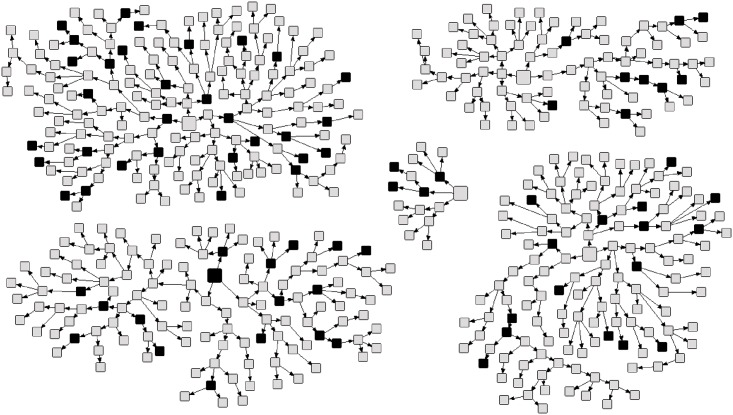
Methods: A cross-sectional study was conducted among MSM in the City of Goiânia, Central Brazil, from March to November 2014, using Respondent-Driven Sampling (RDS). After signing the consent form, participants were interviewed and a blood sample collected. All samples were tested for HBV serological markers and HBV DNA. HBV nucleotide sequence analysis was also performed.
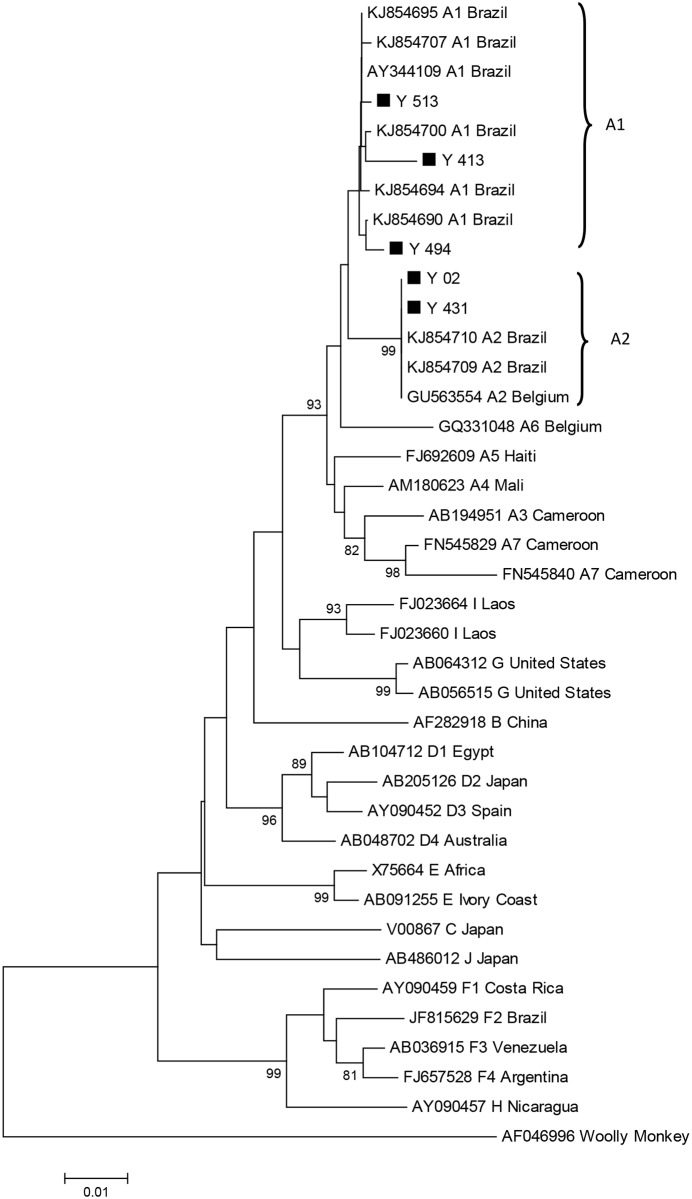
Results: A total of 522 MSM were recruited in the study. The prevalence of HBV infection (current or past [presence of anti-HBc marker]) was 15.4% (95% CI: 8.7-25.8) and the rate of HBsAg carriers was 0.6% (95% CI: 0.2-1.6). About 40% (95% CI: 32.3-48.8) of the participants had serological evidence of previous HBV vaccination (reactive for isolated anti-HBs). In addition, 44.3% (95% CI: 36.1-52.9) were seronegative for all HBV markers. Age over 25 years old, receptive anal intercourse, previous sex with women, and history of sexually transmitted infections (STIs) were factors associated with HBV infection. HBV DNA was detected only in HBsAg-positive individuals. HBV isolates were classified into genotype A (subgenotypes A1 and A2), and some mutations were identified throughout the genome. Therefore, occult HBV infection was not observed in the study population.
Conclusions: Public health strategies should be improved for the MSM population in order to prevent HBV and other STIs, as well as to provide appropriate management of patients with active infections.
Conflict of interest statement
Figures
References
-
- World Health Organization (WHO). Hepatitis B. Fact sheet n°204. WHO, 2015. Available: http://www.who.int/mediacentre/factsheets/fs204/en/. Accessed 11 Jan 2016.
MeSH terms
Substances
LinkOut - more resources
Full Text Sources
Other Literature Sources
Medical
Miscellaneous
