


Micropatterned Endotracheal Tubes Reduce Secretion-Related Lumen Occlusion
- PMID: 27535564
- PMCID: PMC11949081
- DOI: 10.1007/s10439-016-1698-z
Micropatterned Endotracheal Tubes Reduce Secretion-Related Lumen Occlusion
Abstract
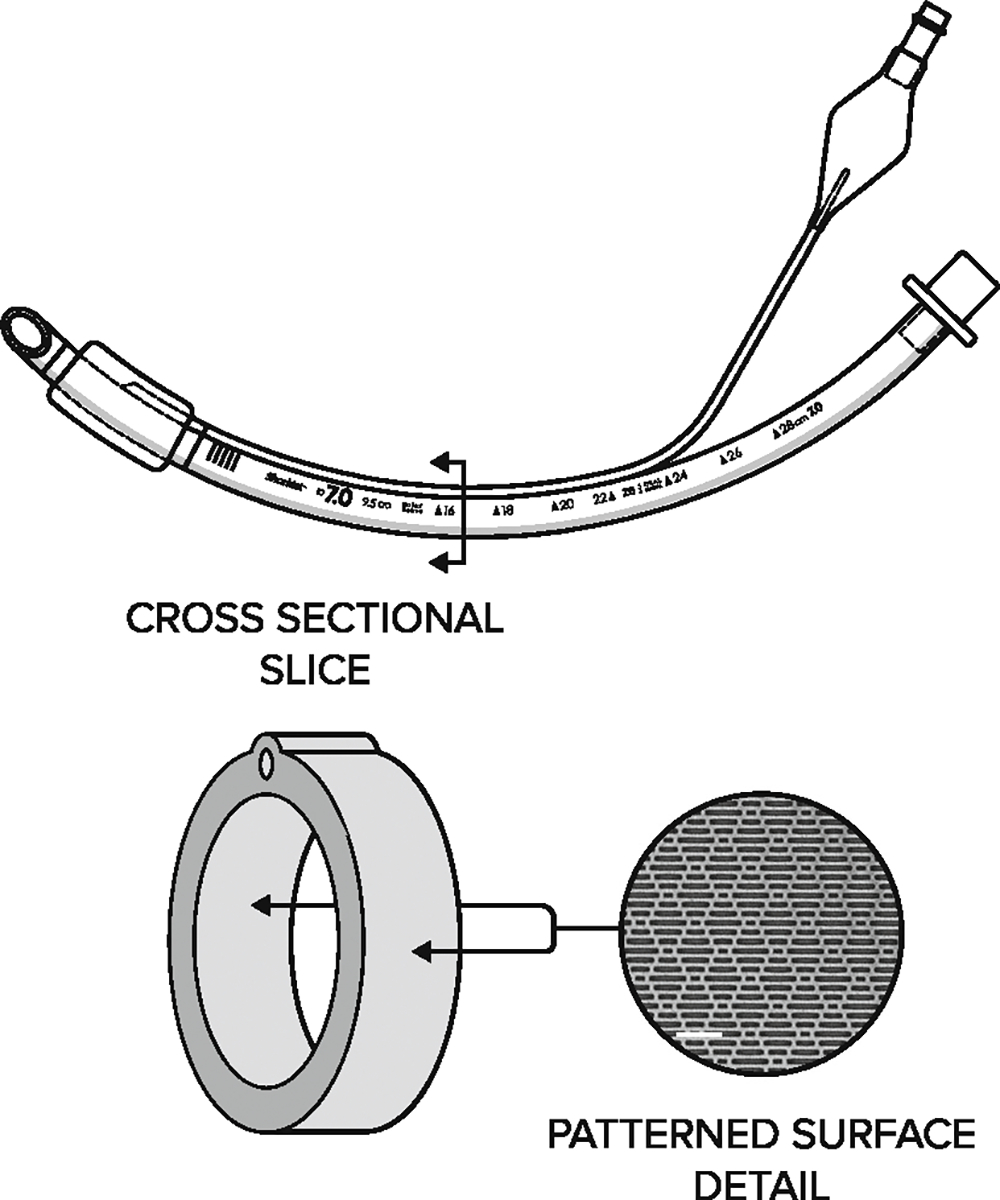
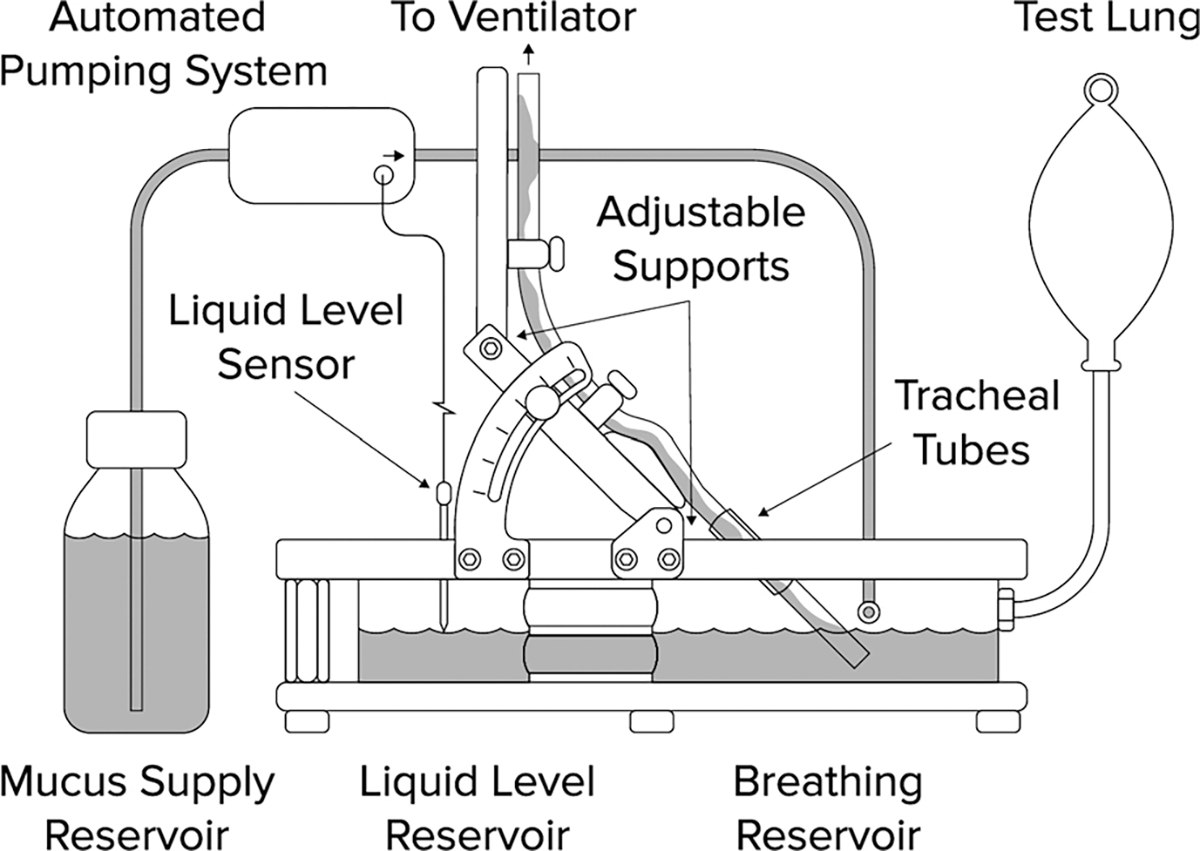
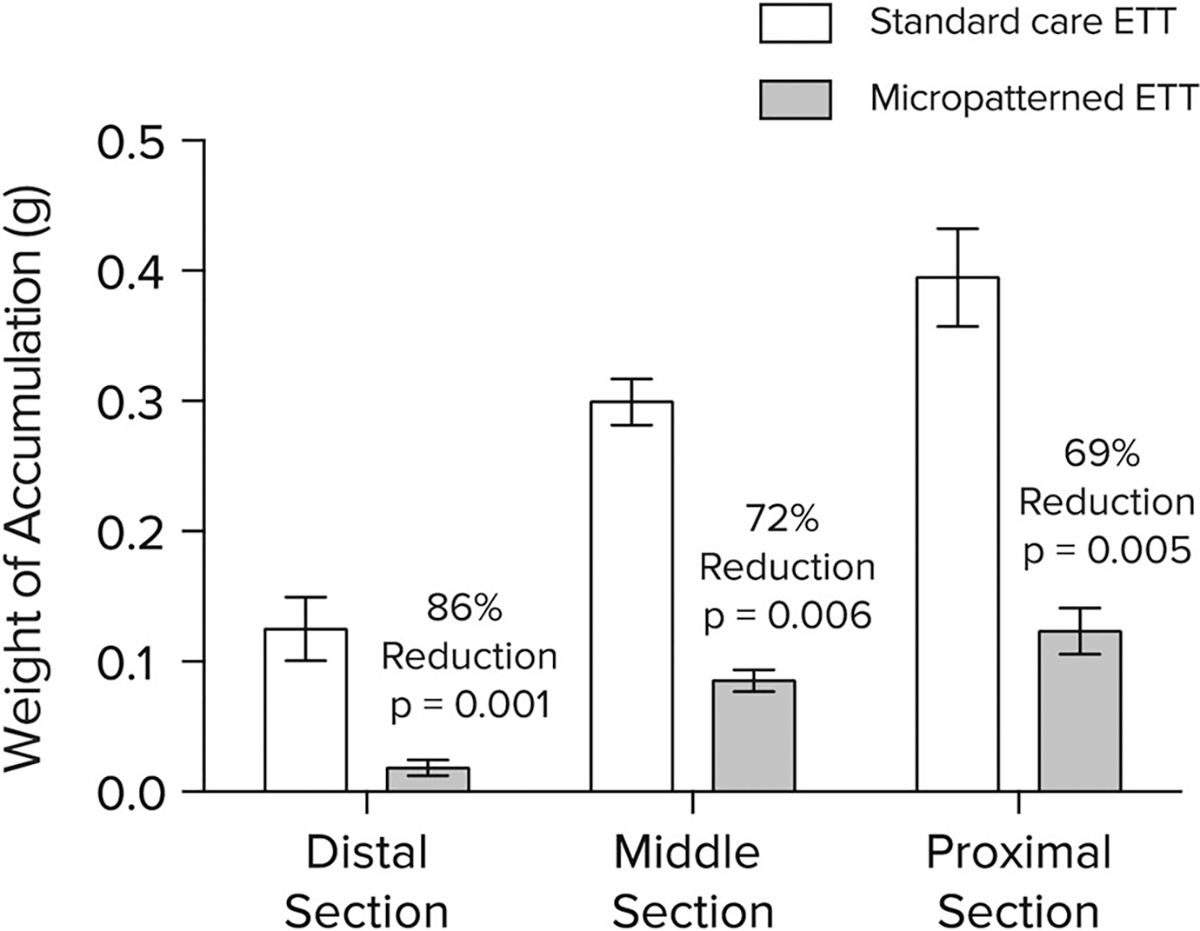
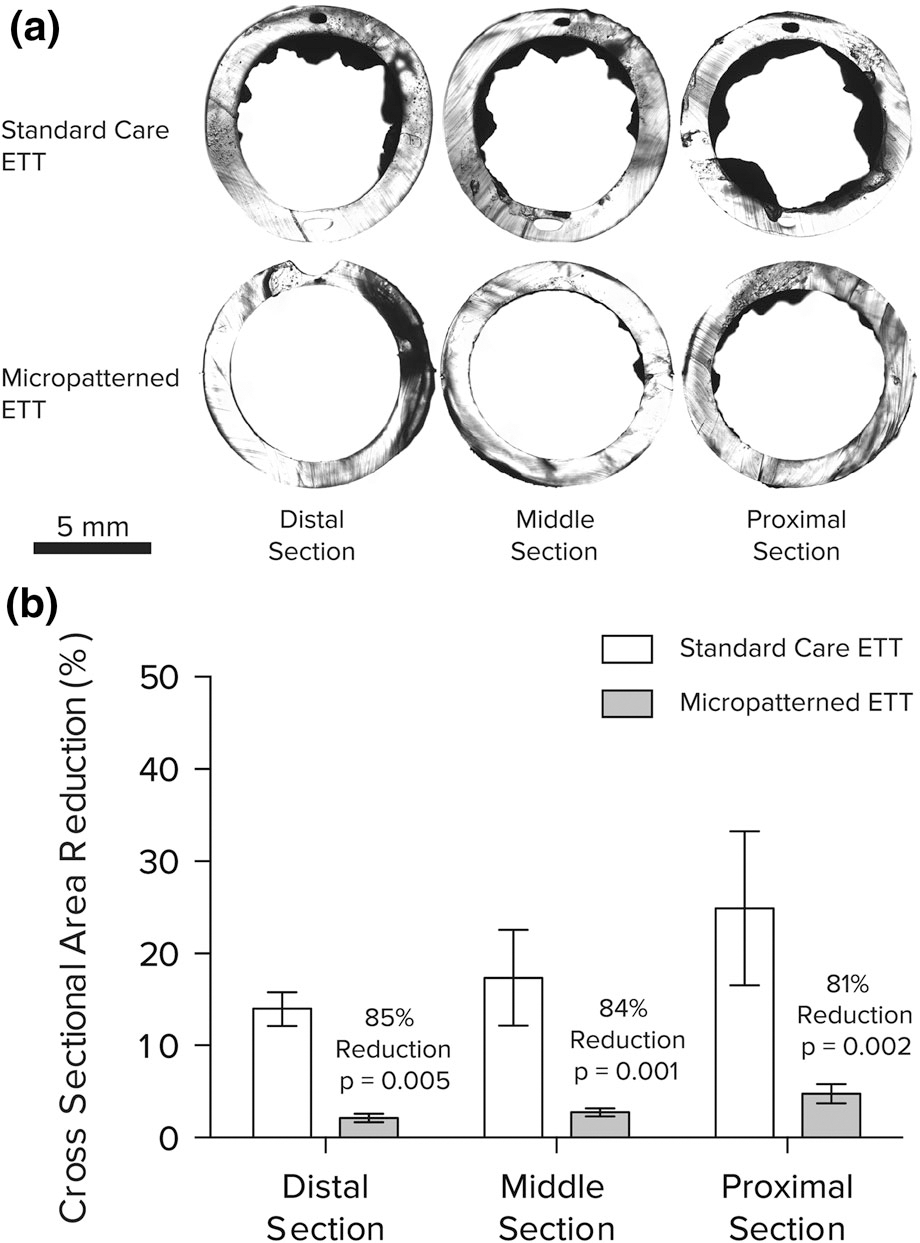
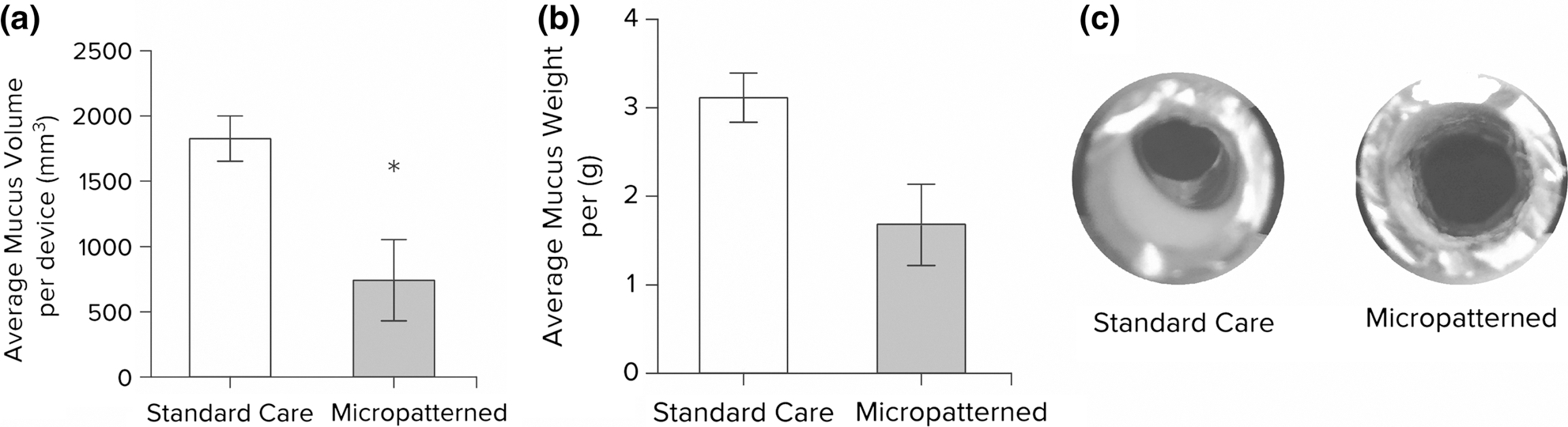
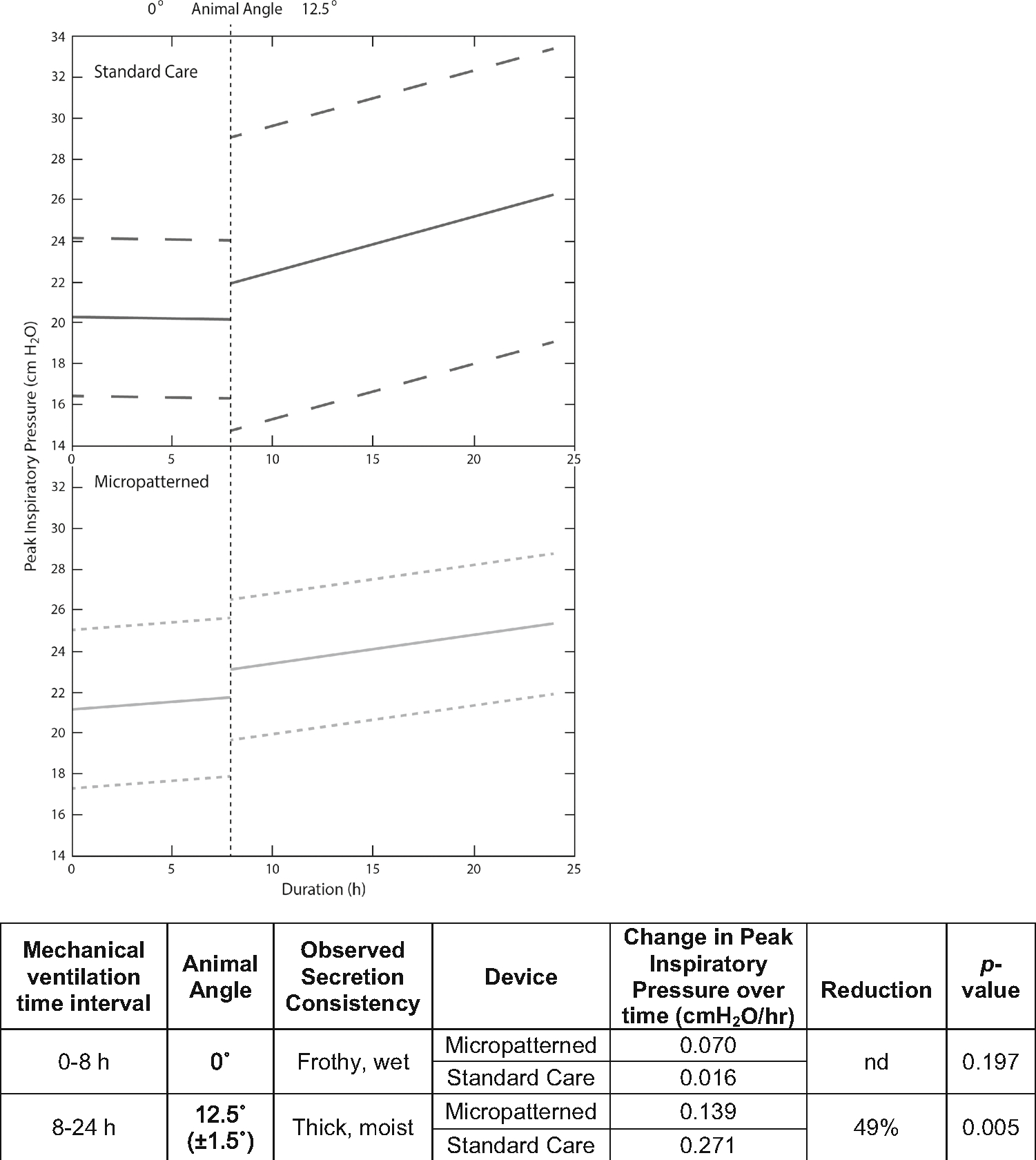
Tracheal intubation disrupts physiological homeostasis of secretion production and clearance, resulting in secretion accumulation within endotracheal tubes (ETTs). Novel in vitro and in vivo models were developed to specifically recapitulate the clinical manifestations of ETT occlusion. The novel Sharklet™ micropatterned ETT was evaluated, using these models, for the ability to reduce the accumulation of both bacterial biofilm and airway mucus compared to a standard care ETT. Novel ETTs with micropattern on the inner and outer surfaces were placed adjacent to standard care ETTs in in vitro biofilm and airway patency (AP) models. The primary outcome for the biofilm model was to compare commercially-available ETTs (standard care and silver-coated) to micropatterned for quantity of biofilm accumulation. The AP model's primary outcome was to evaluate accumulation of artificial airway mucus. A 24-h ovine mechanical ventilation model evaluated the primary outcome of relative quantity of airway secretion accumulation in the ETTs tested. The secondary outcome was measuring the effect of secretion accumulation in the ETTs on airway resistance. Micropatterned ETTs significantly reduced biofilm by 71% (p = 0.016) compared to smooth ETTs. Moreover, micropatterned ETTs reduced lumen occlusion, in the AP model, as measured by cross-sectional area, in distal (85%, p = 0.005), middle (84%, p = 0.001) and proximal (81%, p = 0.002) sections compared to standard care ETTs. Micropatterned ETTs reduced the volume of secretion accumulation in a sheep model of occlusion by 61% (p < 0.001) after 24 h of mechanical ventilation. Importantly, micropatterned ETTs reduced the rise in ventilation peak inspiratory pressures over time by as much as 49% (p = 0.005) compared to standard care ETTs. Micropatterned ETTs, demonstrated here to reduce bacterial contamination and mucus occlusion, will have the capacity to limit complications occurring during mechanical ventilation and ultimately improve patient care.
Keywords: Airway patency model; Biofilm; Endotracheal tube; Mechanical ventilation; Micropattern; Occlusion.
Conflict of interest statement
CONFLICT OF INTEREST
EMM, CMM, MRM, RMM, MMH and STR are all employees of Sharklet Technologies, Inc. ABB is a paid consultant of Sharklet Technologies, Inc.
Figures
References
-
- Balonov K, Miller AD, Lisbon A, and Kaynar AM. A novel method of continuous measurement of head of bed elevation in ventilated patients. Intensiv. Care Med. 33:1050–1054, 2007. - PubMed
-
- Bechert WD, Bruse M, and Hage W. Experiments with three-dimensional riblets as an idealized model of shark skin. Exp. Fluids 28:403–412, 2000.
-
- Bock KR, Silver P, Rom M, and Sagy M. Reduction in tracheal lumen due to endotracheal intubation and its calculated clinical significance. CHEST J. 118:468–472, 2000. - PubMed
-
- Boqué MC, Gualis B, Sandiumenge A, and Rello J. Endotracheal tube intraluminal diameter narrowing after mechanical ventilation: Use of acoustic reflectometry. Intensiv. Care Med. 30:2204–2209, 2004. - PubMed
MeSH terms
Grants and funding
LinkOut - more resources
Full Text Sources
Other Literature Sources
Medical
Molecular Biology Databases
