


The prevalence of disrespect and abuse during facility-based childbirth in urban Tanzania
- PMID: 27543002
- PMCID: PMC4992239
- DOI: 10.1186/s12884-016-1019-4
The prevalence of disrespect and abuse during facility-based childbirth in urban Tanzania
Abstract
Background: In many countries, rates of facility-based childbirth have increased substantially in recent years. However, insufficient attention has been paid to the acceptability and quality of maternal health services provided at facilities and, consequently, maternal health outcomes have not improved as expected. Disrespect and abuse during childbirth is increasingly being recognized as an indicator of overall poor quality of care and as a key barrier to achieving improved maternal health outcomes, but little evidence exists to describe the scope and magnitude of this problem, particularly in urban areas in low-income countries.
Methods: This paper presents findings from an assessment of the prevalence of disrespectful and abusive behaviors during facility-based childbirth in one large referral hospital in Dar es Salaam, Tanzania. Client reports of disrespect and abuse (D&A) were obtained through postpartum interviews immediately before discharge from the facility with 1914 systematically sampled women and from community follow-up interviews with 64 women four to six weeks post-delivery. Additionally, 197 direct observations of the labor, delivery, and postpartum period were conducted to document specific incidences of disrespect and abuse during labor and delivery, which we compared with women's reports.
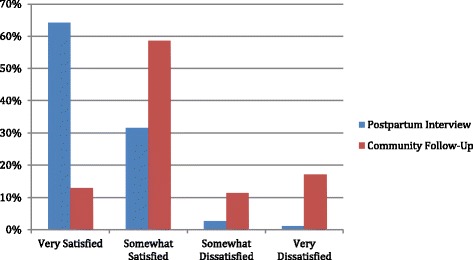
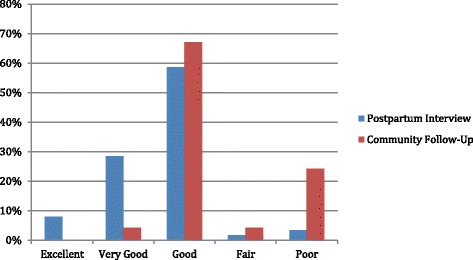
Results: During postpartum interviews, 15 % of women reported experiencing at least one instance of D&A. This number was dramatically higher during community follow-up interviews, in which 70 % of women reported any experience of D&A. During postpartum interviews, the most common forms of D&A reported were abandonment (8 %), non-dignified care (6 %), and physical abuse (5 %), while reporting for all categories of D&A, excluding detention and non consented care, was above 50 % during community follow-up interviews. Evidence from direct observations of client-provider interactions during labor and delivery confirmed high rates of some disrespectful and abusive behaviors.
Conclusions: This study is one of the first to quantify the prevalence of disrespect and abuse during facility-based childbirth in a large public hospital in an urban setting. The difference in respondent reports between the two time periods is striking, and more research is needed to determine the most appropriate methodologies for measuring this phenomenon. The levels and types of disrespect and abuse reported here represent fundamental violations of women's human rights and are symptomatic of failing health systems. Action is urgently needed to ensure acceptable, quality, and dignified care for all women.
Keywords: Abuse; Disrespect; Facility delivery; Maternal health; Respectful maternity care; Tanzania.
Figures
References
-
- The United Republic of Tanzania Ministry of Health and Social Welfare (2009). Health Sector Strategic Plan III: July 2009-June 2015. “Partnership for Delivering the MDGs". Available from: https://extranet.who.int/nutrition/gina/en/node/8824.
-
- United Nations Population Fund . The State of the World’s Midwifery. New York: United Nations; 2014.
Publication types
MeSH terms
LinkOut - more resources
Full Text Sources
Other Literature Sources
Medical
