. 2016 Oct 1;26(5):427-443.
doi: 10.1684/ejd.2016.2833.

Dermatological adverse events with taxane chemotherapy

Affiliations

Dermatological adverse events with taxane chemotherapy

Vincent Sibaud et al. Eur J Dermatol. .

Abstract

Taxanes (docetaxel and paclitaxel) are among the most commonly prescribed anticancer drugs approved for the treatment of metastatic or locally advanced breast, non-small cell lung, prostate, gastric, head and neck, and ovarian cancers, as well as in the adjuvant setting for operable node-positive breast cancers. Although the true incidence of dermatological adverse events (AEs) in patients receiving taxanes is not known, and has never been prospectively analysed, they clearly represent one of the major AEs associated with these agents. With an increase in the occurrence of cutaneous AEs during treatment with novel targeted and immunological therapies when used in combination with taxanes, a thorough understanding of reactions attributable to this class is imperative. Moreover, identification and management of dermatological AEs is critical for maintaining the quality of life in cancer patients and for minimizing dose modifications of their antineoplastic regimen. This analysis represents a systematic review of the dermatological conditions reported with the use of these drugs, complemented by experience at comprehensive cancer centres. The conditions reported herein include skin, hair, and nail toxicities. Lastly, we describe the dermatological data available for the new, recently FDA-and EMA- approved, solvent-free nab-paclitaxel.

Keywords: docetaxel; hair; nab-paclitaxel; nail; paclitaxel; skin; taxanes; toxicity.


Conflict of interest statement

Conflict of interest: NRL, HR, FD, VRB, AE, LG, MM, MD and EV have no conflicts of interest to declare.

Figures
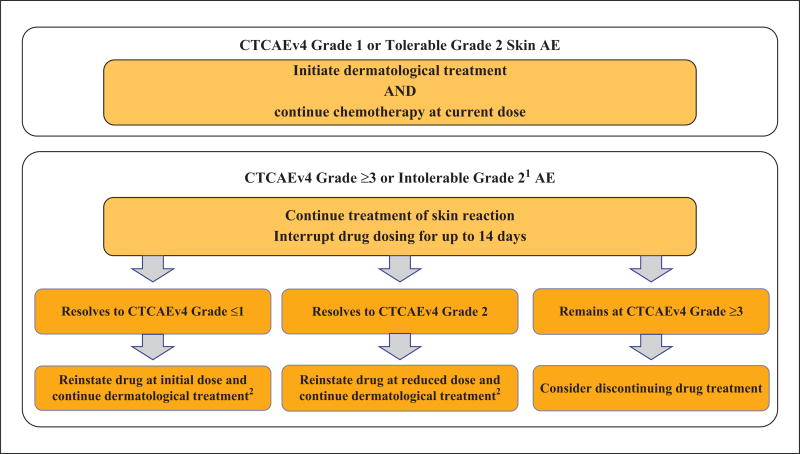
Figure 1
Figure 1
Recommended dose modifications for dermatological adverse events. 1intolerable Grade 2 is defined as a Grade 2 adverse event (AE) that does not decrease to Grade ≤1 after two weeks of therapy R that is considered intolerable as per patient. 2If a patient was previously started on oral corticosteroids, they should be continued for at least one week after resumption of chemotherapy.
Figure 2
Figure 2
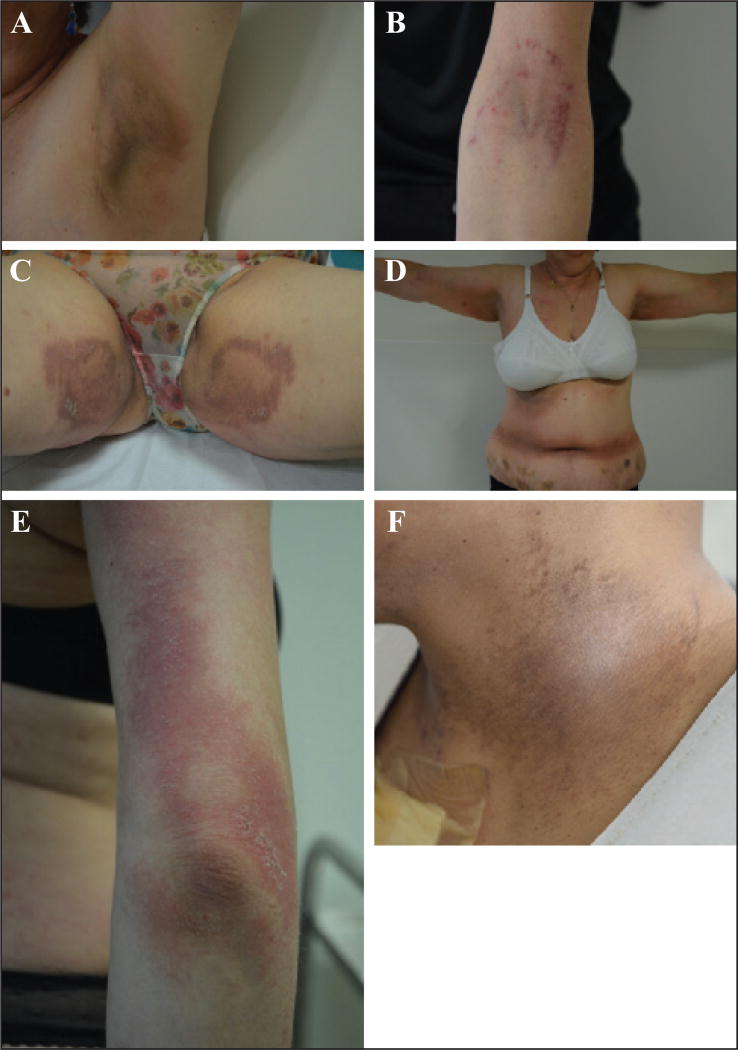
A–C) Characteristic presentation of toxic erythema, predominantly located to contact areas (flexural areas [A, C] or under dressing [B]). D) Development of painful, bilateral, inflammatory patches on contact areas (axillary, inguinal, and belt regions). E) Severe lesions involving the extensor surface of the elbow (paclitaxel). F) Post-inflammatory hyperpigmentation of the neck fold.
Figure 3
Figure 3
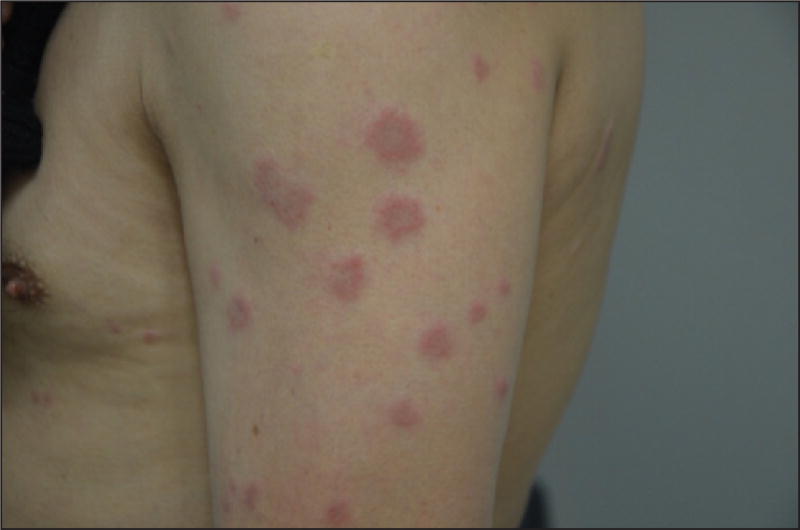
Annular-appearing lesions related to subacute cutaneous lupus erythematosus.
Figure 4
Figure 4
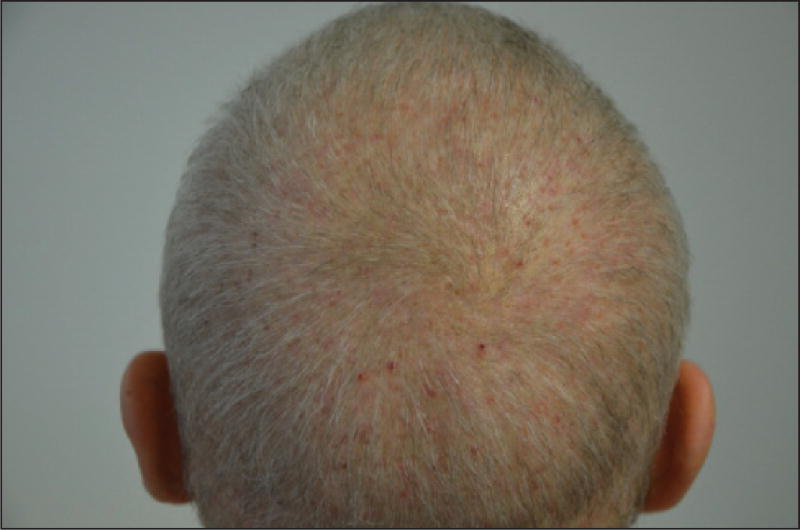
Sterile scalp folliculitis induced by paclitaxel.
Figure 5
Figure 5
Inflammatory skin lesions reminiscent of a previous sunburn (UV recall).
Figure 6
Figure 6
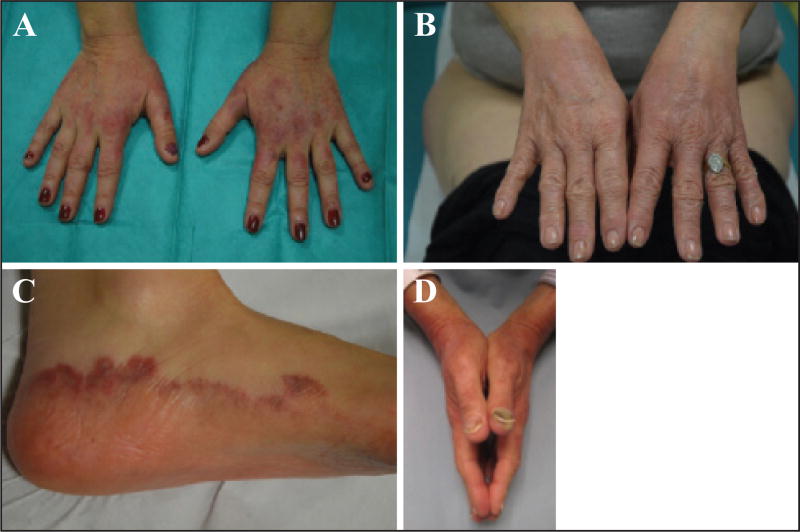
A–C) Specific taxane-induced dorsal hand foot syndrome, involving the dorsal aspects of the hands (A, B) and the dorsum of the feet (C). D) PATEO syndrome (visible dorsal erythematous lesions associated with onycholysis).
Figure 7
Figure 7
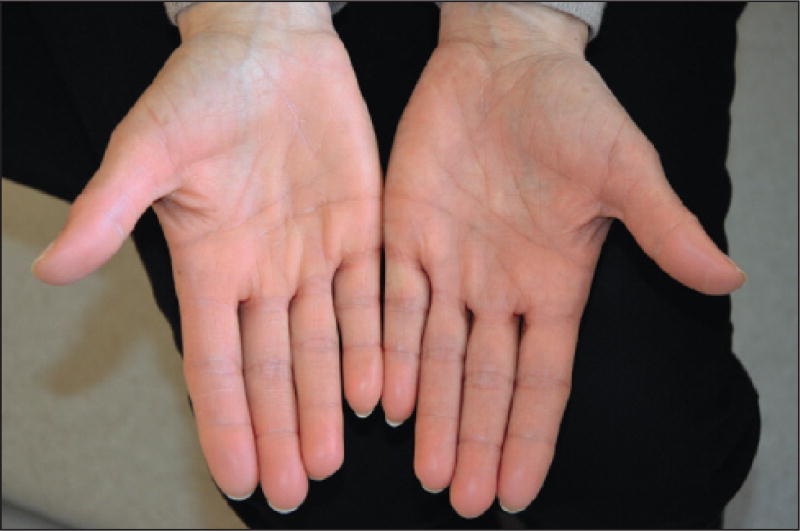
Hand foot syndrome affecting the bilateral palmar surfaces.
Figure 8
Figure 8
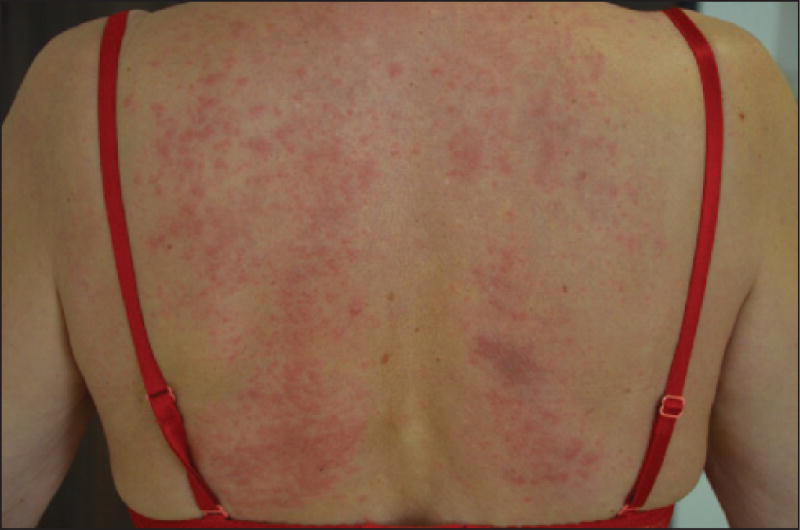
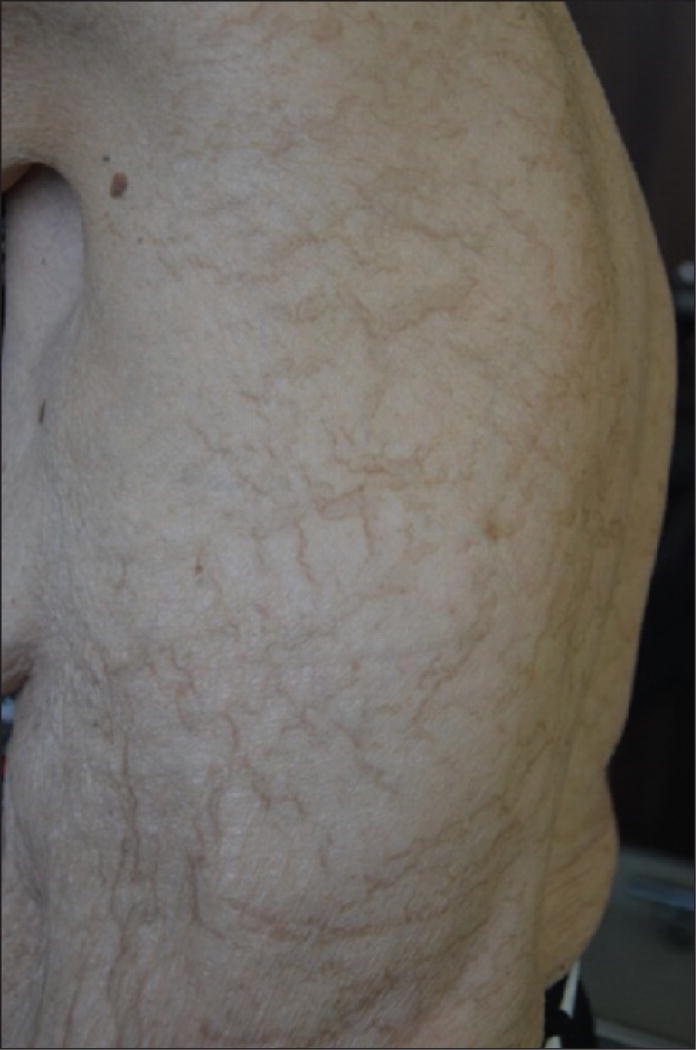
Reticulate hyperpigmentation of the trunk induced by paclitaxel.
Figure 9
Figure 9
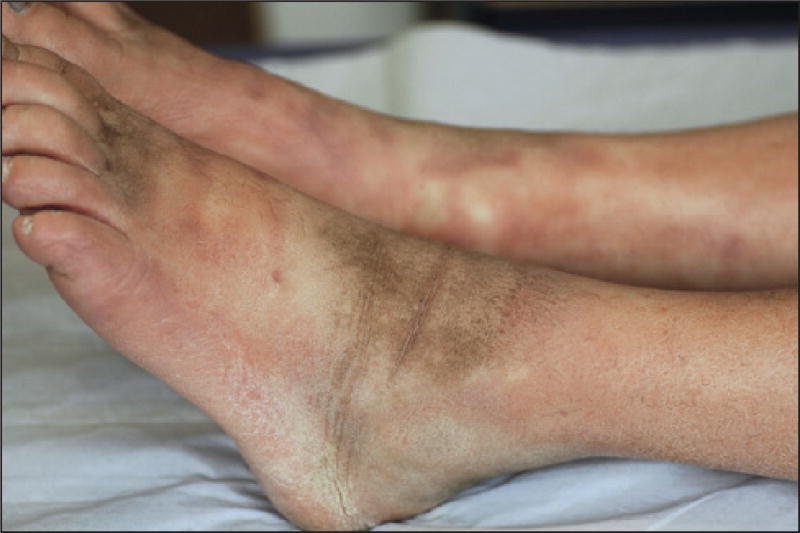
Scleroderma-like changes with progressive development of cutaneous sclerosis (lower limbs).
Figure 10
Figure 10
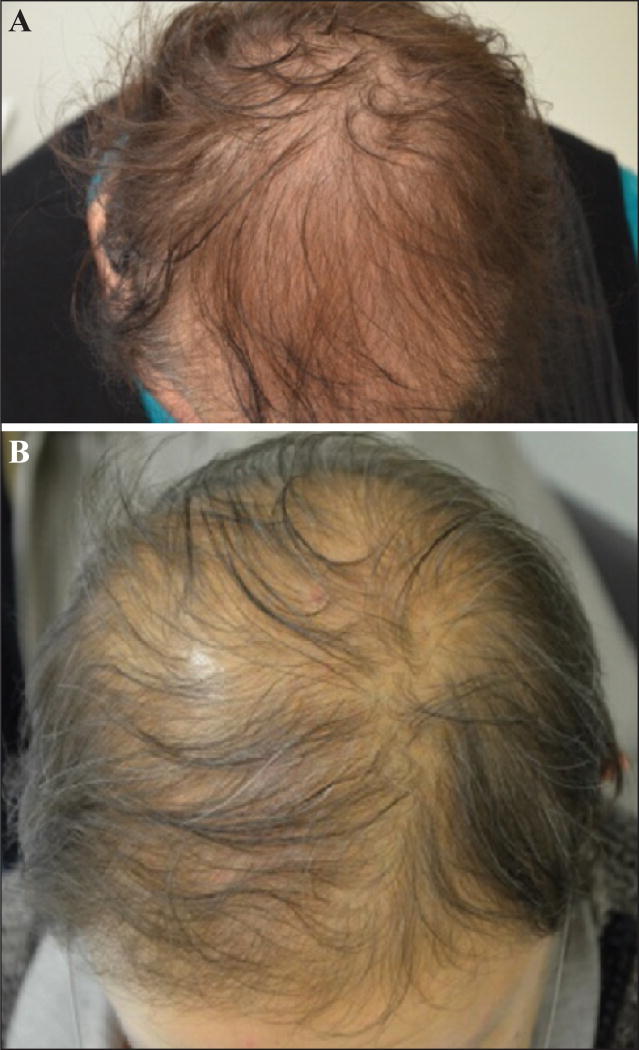
A, B) Taxane-induced persistent alopecia. Note that hair loss is relatively diffuse but not all over; the hair appears finer and shorter.
Figure 11
Figure 11
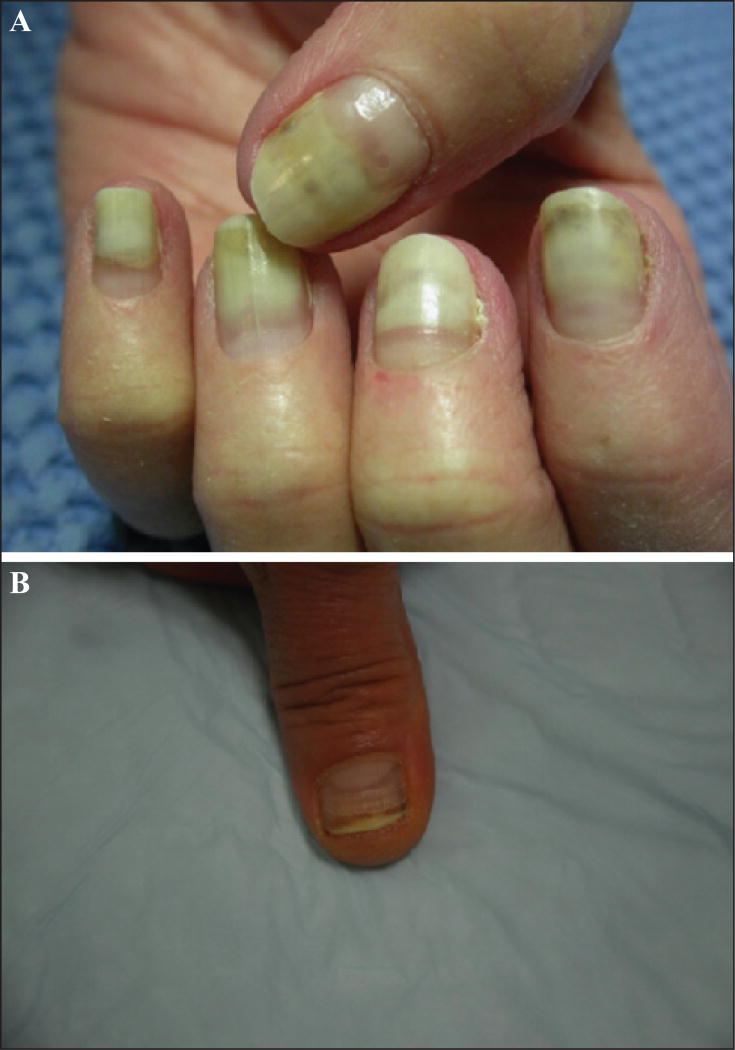
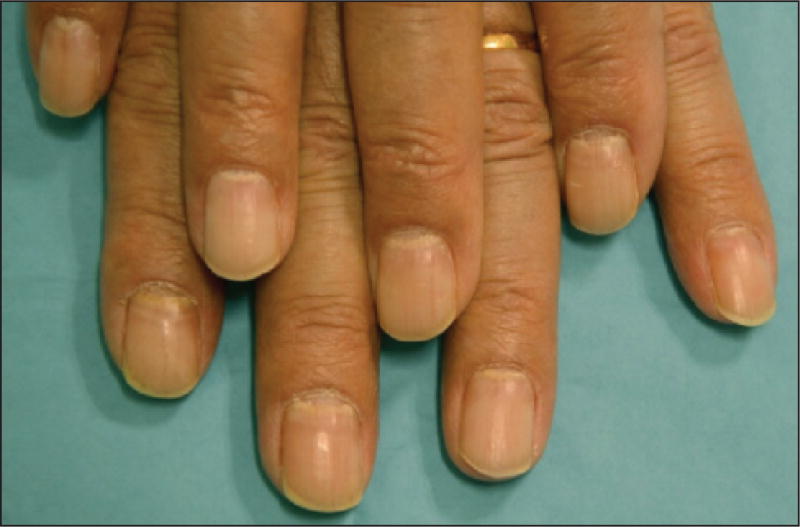
A) Partial detachment of the nail plate from the underlying nail bed (onycholysis). B) Beau’s lines associated with longitudinal melanonychia and mild onycholysis in the same fingernail.
Figure 12
Figure 12
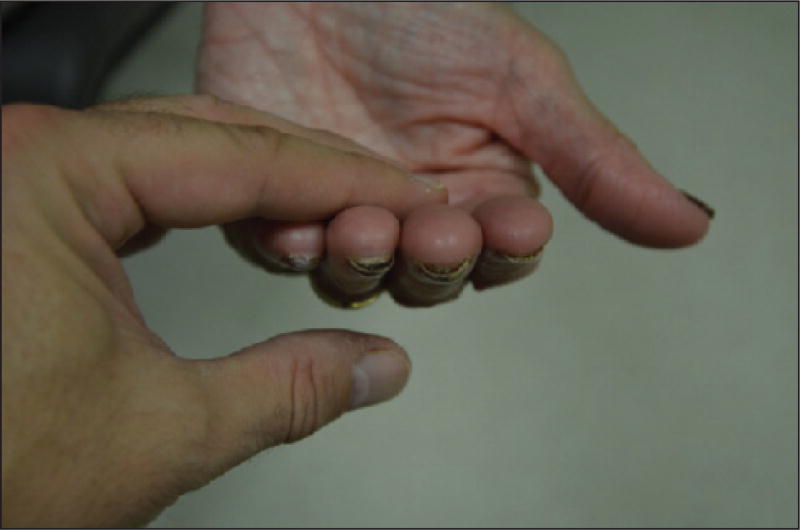
Persistent onycholysis secondary to subungual hyperkertosis.
Figure 13
Figure 13
A) Diffuse fingernail onycholysis associated with subungual abscesses and paronychia; a partial avulsion of the nail plate is required. B) Development of painful subungual haematomas resulting from toxic effects of taxanes.
Figure 14
Figure 14
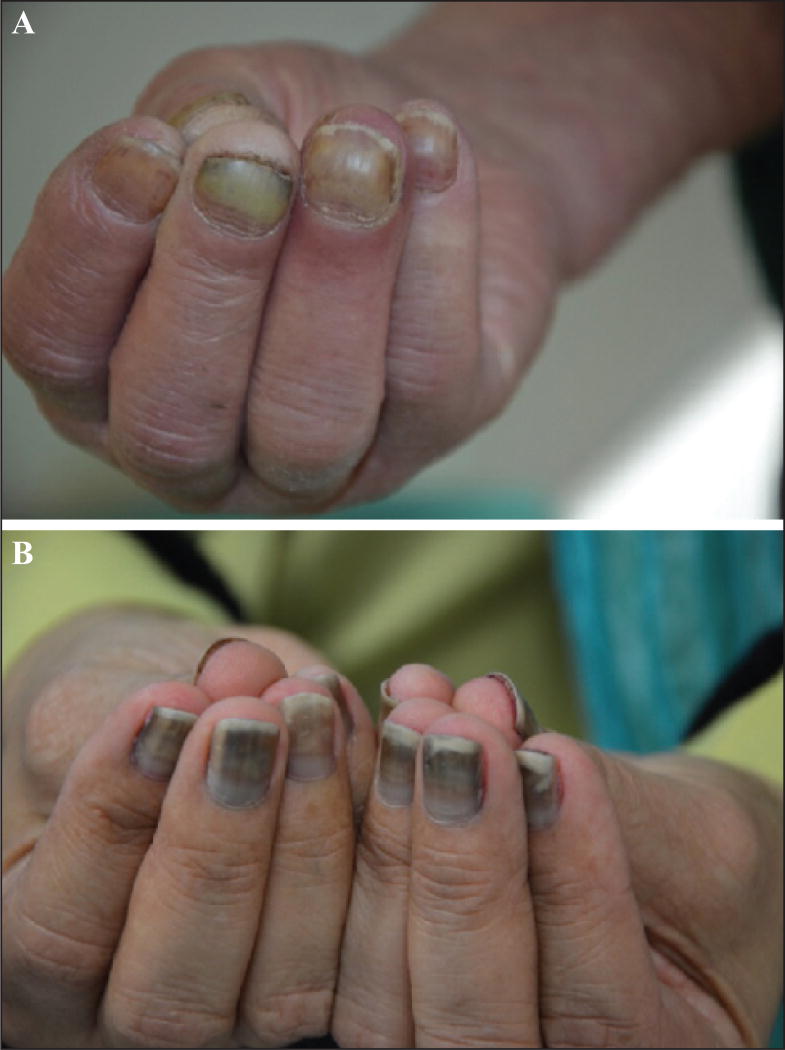
Onychomadesis affecting all fingernails (the nail plate is divided into two parts by a transverse thick groove).
Figure 15
Figure 15
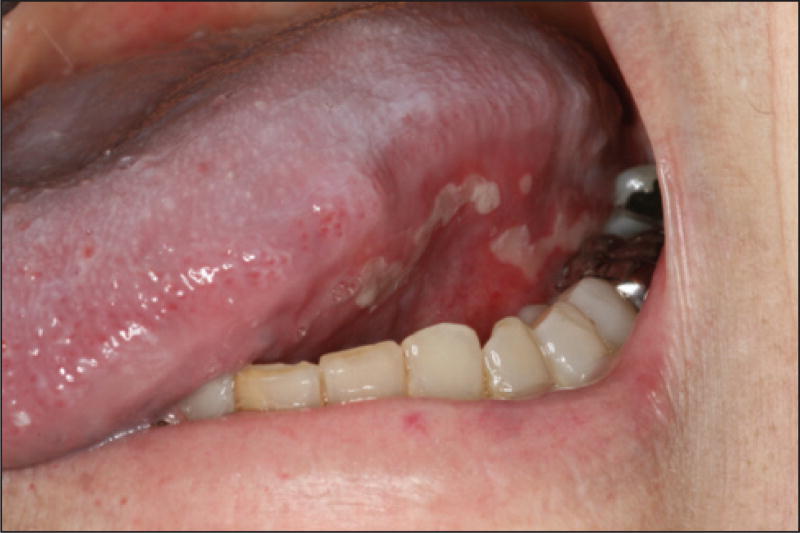
Oral mucositis with apparent pseudomembranes.
Figure 16
Figure 16
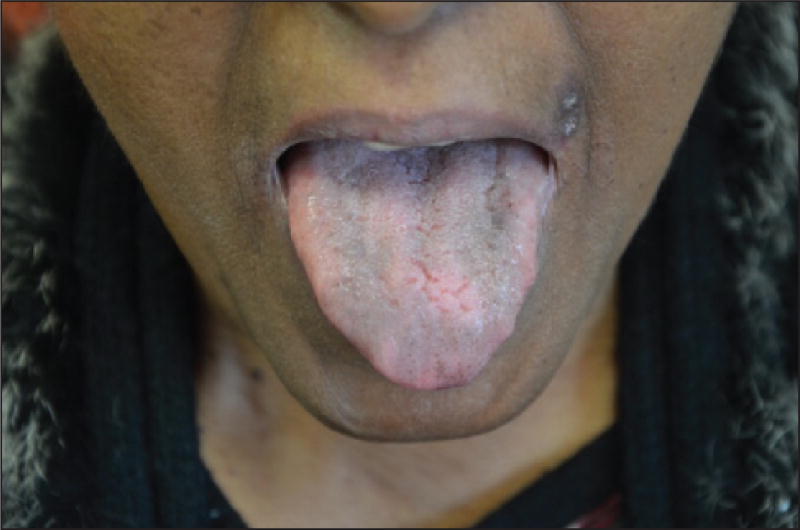
Residual pigmentation of the dorsum of the tongue.
Figure 17
Figure 17
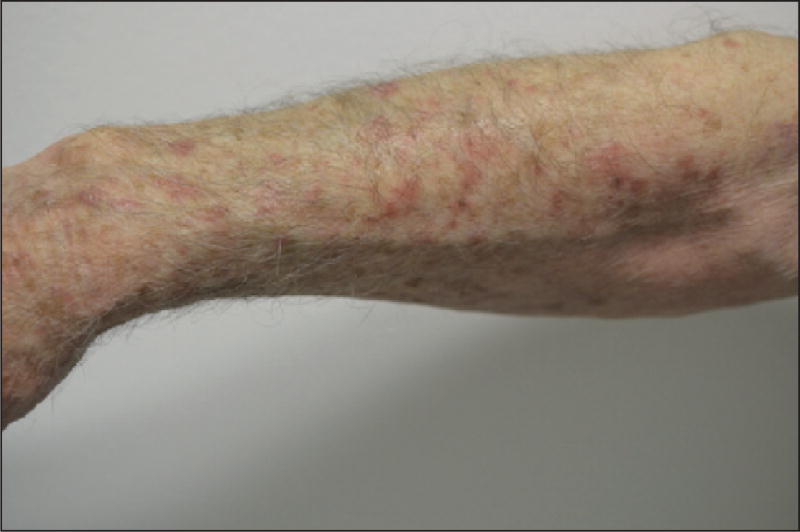
Inflammation of actinic keratoses with docetaxel (forearms).

References

    1. Rowinsky EK, Donehower RC. Paclitaxel (taxol) N Engl J Med. 1995;332:1004–14. - PubMed
    1. Cortes JE, Pazdur R. Docetaxel. J Clin Oncol. 1995;13:2643–55. - PubMed
    1. Gelmon K. The taxoids: paclitaxel and docetaxel. Lancet. 1994;344:1267–72. - PubMed
    1. Von Hoff DD, Ervin T, Arena FP, et al. Increased survival in pancreatic cancer with nab-paclitaxel plus gemcitabine. N Engl J Med. 2013;369:1691–703. - PMC - PubMed
    1. Markman M. Managing taxane toxicities. Support Care Cancer. 2003;11:144–7. - PubMed

Publication types

MeSH terms