


Transdiagnostic impairment of cognitive control in mental illness
- PMID: 27552532
- PMCID: PMC5107153
- DOI: 10.1016/j.jpsychires.2016.08.001
Transdiagnostic impairment of cognitive control in mental illness
Abstract
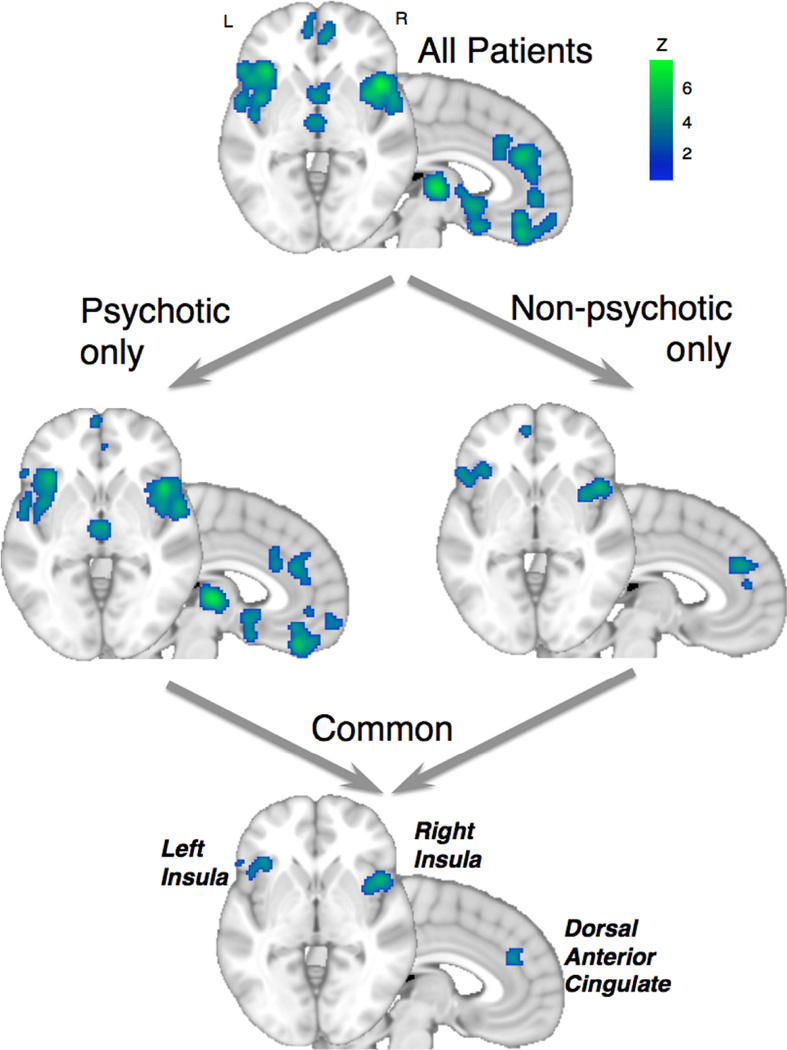
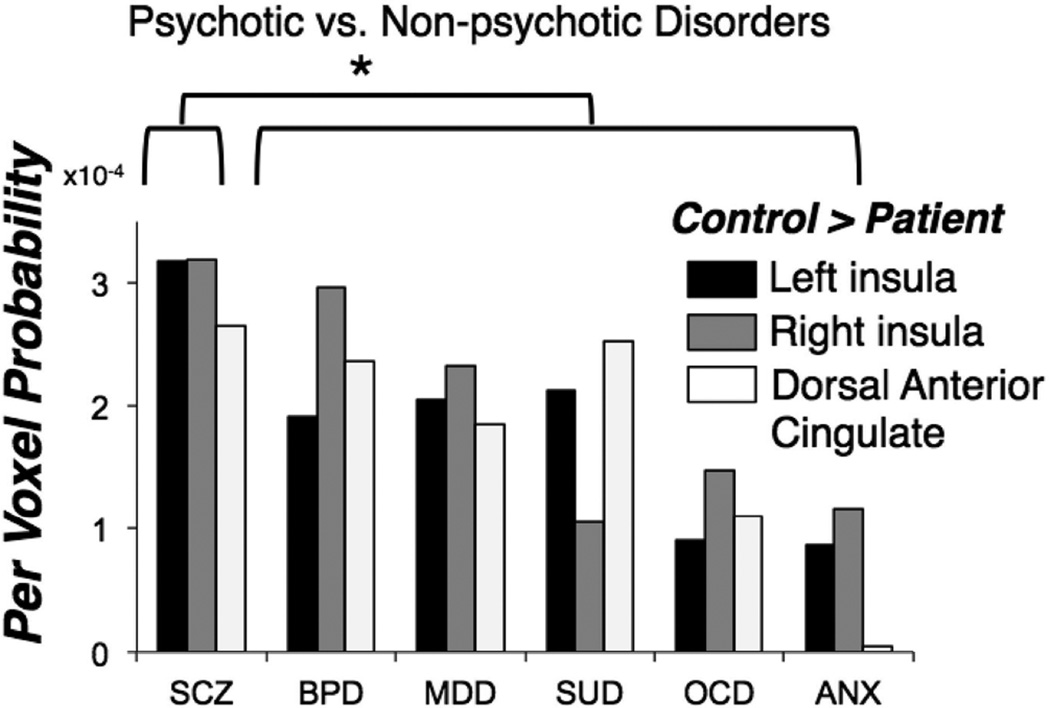
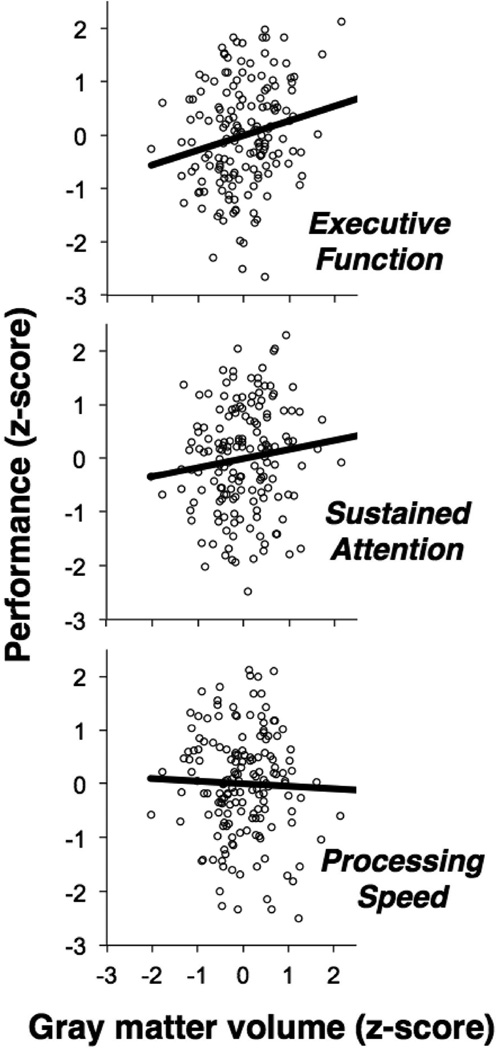
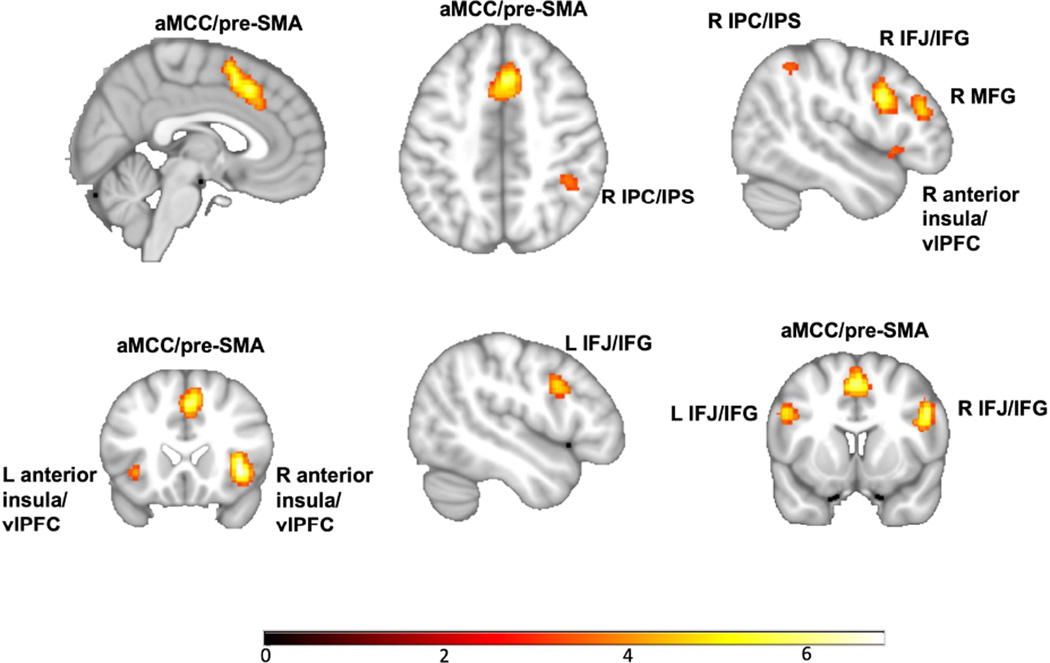
Intact cognitive control or executive function has characteristic patterns in both behavior and functional neurocircuitry. Functional neuroimaging studies have shown that a frontal-cingulate-parietal-insular (i.e., "multiple demand") network forms a common functional substrate undergirding successful adaptation to diverse cognitive processing demands. Separate work on intact neurocognitive performance implicates a higher order factor that largely explains performance across domains and may reflect trait cognitive control capacity. In the current review we highlight findings from respective psychiatric disorders (i.e., psychotic, bipolar and unipolar depressive, anxiety, and substance use disorders) suggesting that cognitive control perturbations amidst psychopathology are most pronounced within these common brain and behavioral indices of adaptive cognitive functioning and moreover, are evident across disorders (i.e., transdiagnostically). Specifically, within each of the disorder classes impairments are consistent in the multiple demand network across a wide range of cognitive tasks. While severity varies between disorders, broad as opposed to domain-specific impairments consistently emerge in neurocognitive performance. Accumulating findings have revealed that phenotypically diverse psychiatric disorders share a common factor or vulnerability to dysfunction that is in turn related to broad neurocognitive deficits. Furthermore, we have observed that regions of the multiple demand network, which overlap with the salience network (dorsal anterior cingulate and bilateral anterior insula) are characterized by reduced gray matter transdiagnostically and predict weaker neurocognitive performance. In summary, transdiagnostic (as opposed to disorder-specific) patterns of symptomatic distress and neurocognitive performance deficits, concurrent with parallel anomalies of brain structure and function may largely contribute to the real-world socio-occupational impairment common across disorders.
Keywords: Cognitive control; Multiple demand network; Neurocognition; RDoC; Transdiagnostic; fMRI.
Copyright © 2016 Elsevier Ltd. All rights reserved.
Figures
References
-
- Adrover-Roig D, Sesé A, Barceló F, Palmer A. A latent variable approach to executive control in healthy ageing. Brain and Cognition. 2012;78:284–299. - PubMed
-
- Akine Y, Kato M, Muramatsu T, Umeda S, Mimura M, Asai Y, Tanada S, Obata T, Ikehira H, Kashima H, Suhara T. Altered brain activation by a false recognition task in young abstinent patients with alcohol dependence. Alcohol: Clinical Experimental Research. 2007;31:1589–1597. - PubMed
-
- Alvarez JA, Emory E. Executive function and the frontal lobes: a meta-analytic review. Neuropsychology Review. 2006;16:17–42. - PubMed
-
- American Psychiatric Association. Diagnostic and Statistical Manual of Mental Disorders. 3rd. Washington, DC: American Psychiatric Association; 1980.
-
- American Psychiatric Association. Diagnostic and Statistical Manual of Mental Disorders. 5th. Arlington, VA: American Psychiatric Association; 2013.
Publication types
MeSH terms
Grants and funding
LinkOut - more resources
Full Text Sources
Other Literature Sources
Medical
