


Biology and Biomarkers for Wound Healing
- PMID: 27556760
- PMCID: PMC4998971
- DOI: 10.1097/PRS.0000000000002682
Biology and Biomarkers for Wound Healing
Abstract
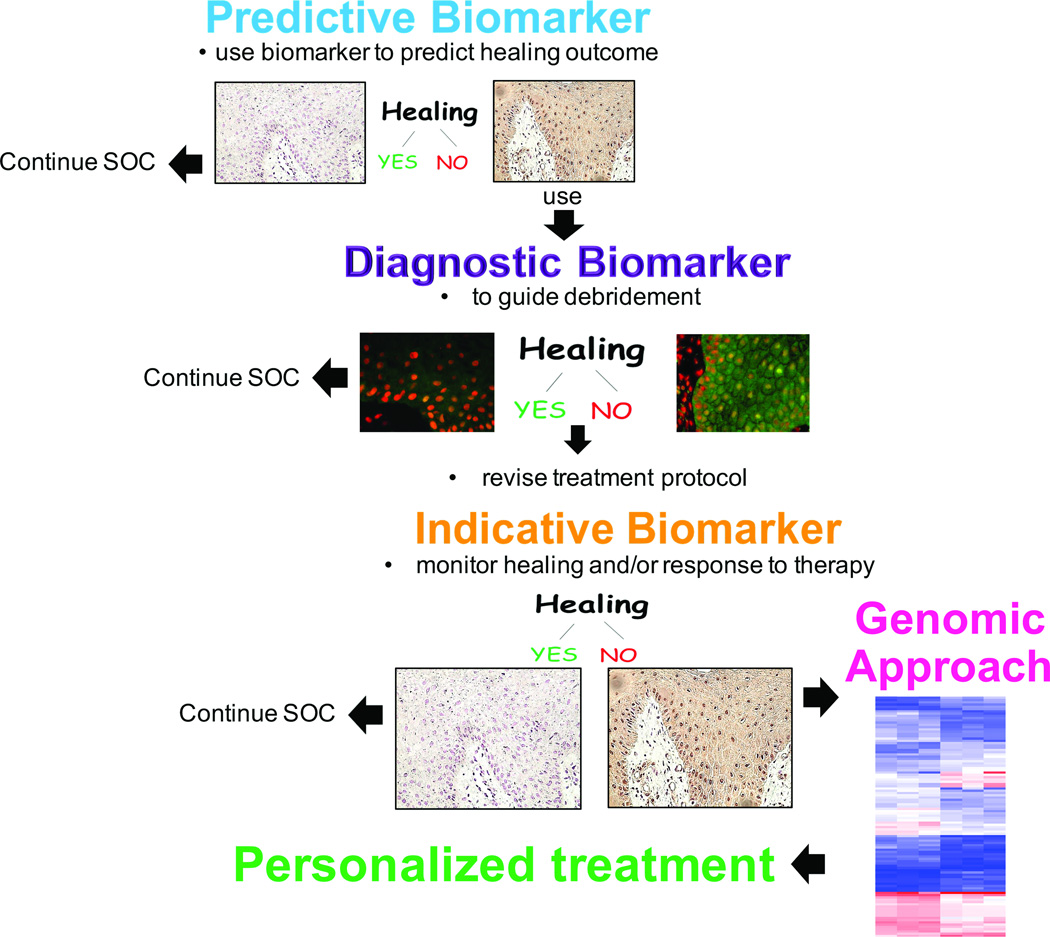
Background: As the population grows older, the incidence and prevalence of conditions that lead to a predisposition for poor wound healing also increase. Ultimately, this increase in nonhealing wounds has led to significant morbidity and mortality with subsequent huge economic ramifications. Therefore, understanding specific molecular mechanisms underlying aberrant wound healing is of great importance. It has and will continue to be the leading pathway to the discovery of therapeutic targets, as well as diagnostic molecular biomarkers. Biomarkers may help identify and stratify subsets of nonhealing patients for whom biomarker-guided approaches may aid in healing.
Methods: A series of literature searches were performed using Medline, PubMed, Cochrane Library, and Internet searches.
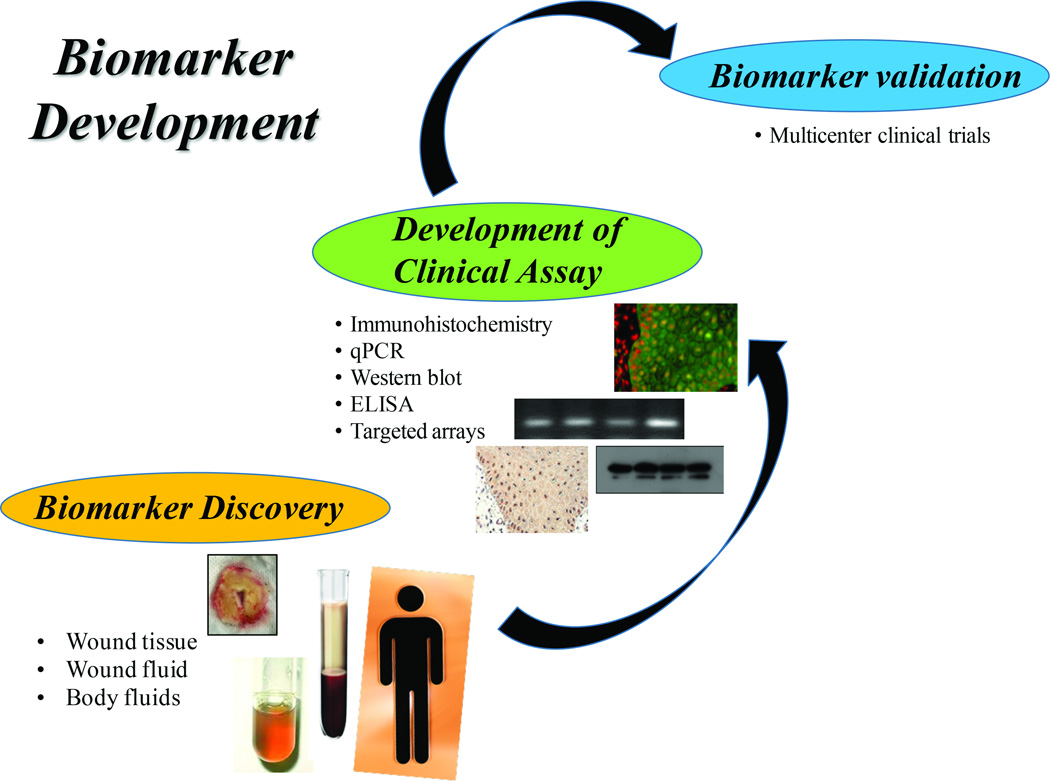
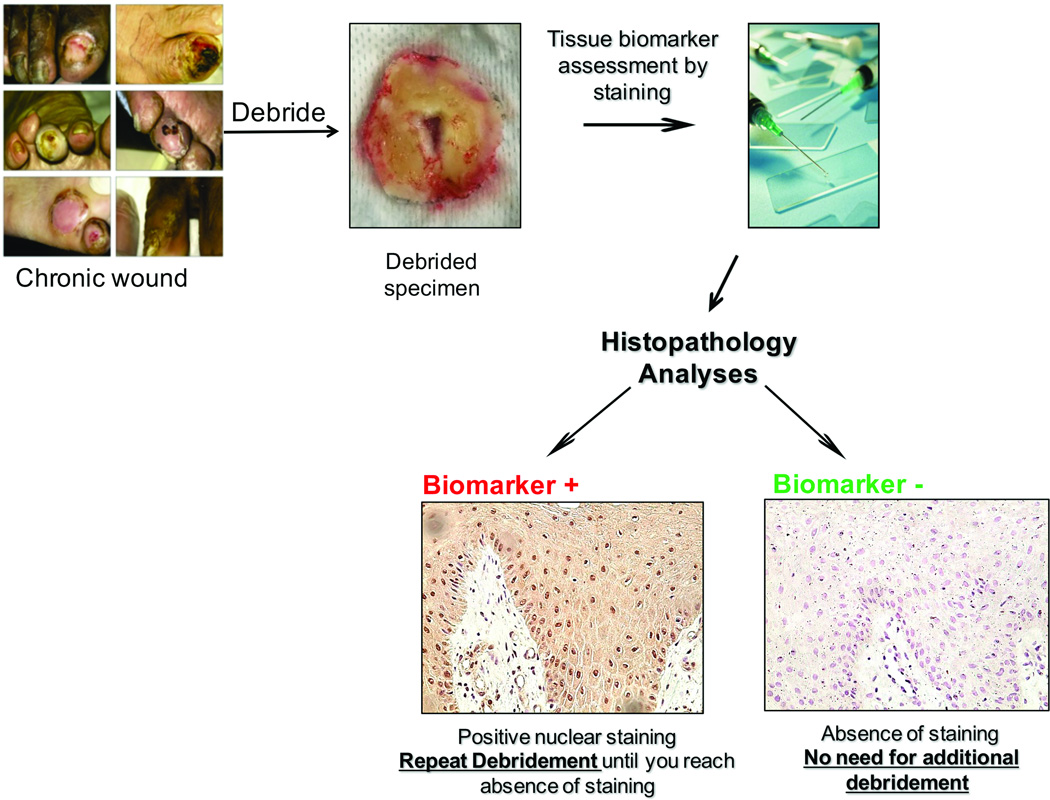
Results: Currently, biomarkers are being identified using biomaterials sourced locally from human wounds and/or systemically using high-throughput "omics" modalities (genomic, proteomic, lipidomic, and metabolomic analysis). In this review, we highlight the current status of clinically applicable biomarkers and propose multiple steps in validation and implementation spectrum, including those measured in tissue specimens, for example, β-catenin and c-myc, wound fluid, matrix metalloproteinases and interleukins, swabs, wound microbiota, and serum, for example, procalcitonin and matrix metalloproteinases.
Conclusions: Identification of numerous potential biomarkers using different avenues of sample collection and molecular approaches is currently underway. A focus on simplicity and consistent implementation of these biomarkers, as well as an emphasis on efficacious follow-up therapeutics, is necessary for transition of this technology to clinically feasible point-of-care applications.
Conflict of interest statement
Authors declare no conflict of interest.
Figures
Comment in
-
Discussion: Biology and Biomarkers for Wound Healing.Plast Reconstr Surg. 2016 Sep;138(3 Suppl):29S-30S. doi: 10.1097/PRS.0000000000002698. Plast Reconstr Surg. 2016. PMID: 27556771 Free PMC article. No abstract available.
References
-
- Armstrong DG, Wrobel J, Robbins JM. Guest Editorial: are diabetes-related wounds and amputations worse than cancer? Int Wound J. 2007 Dec;4(4):286–287. - PubMed
-
- Aulivola B, Hile CN, Hamdan AD, et al. Major lower extremity amputation: outcome of a modern series. Arch Surg. 2004 Apr;139(4):395–399. discussion 399. - PubMed
Publication types
MeSH terms
Substances
Grants and funding
LinkOut - more resources
Full Text Sources
Other Literature Sources
Medical
