. 2016 Oct 1;197(7):2909-17.
doi: 10.4049/jimmunol.1600651. Epub 2016 Aug 24.

Lactic Acid Suppresses IL-33-Mediated Mast Cell Inflammatory Responses via Hypoxia-Inducible Factor-1α-Dependent miR-155 Suppression

Affiliations

Lactic Acid Suppresses IL-33-Mediated Mast Cell Inflammatory Responses via Hypoxia-Inducible Factor-1α-Dependent miR-155 Suppression

Daniel Abebayehu et al. J Immunol. .

Abstract

Lactic acid (LA) is present in tumors, asthma, and wound healing, environments with elevated IL-33 and mast cell infiltration. Although IL-33 is a potent mast cell activator, how LA affects IL-33-mediated mast cell function is unknown. To investigate this, mouse bone marrow-derived mast cells were cultured with or without LA and activated with IL-33. LA reduced IL-33-mediated cytokine and chemokine production. Using inhibitors for monocarboxylate transporters (MCT) or replacing LA with sodium lactate revealed that LA effects are MCT-1- and pH-dependent. LA selectively altered IL-33 signaling, suppressing TGF-β-activated kinase-1, JNK, ERK, and NF-κB phosphorylation, but not p38 phosphorylation. LA effects in other contexts have been linked to hypoxia-inducible factor (HIF)-1α, which was enhanced in bone marrow-derived mast cells treated with LA. Because HIF-1α has been shown to regulate the microRNA miR-155 in other systems, LA effects on miR-155-5p and miR-155-3p species were measured. In fact, LA selectively suppressed miR-155-5p in an HIF-1α-dependent manner. Moreover, overexpressing miR-155-5p, but not miR-155-3p, abolished LA effects on IL-33-induced cytokine production. These in vitro effects of reducing cytokines were consistent in vivo, because LA injected i.p. into C57BL/6 mice suppressed IL-33-induced plasma cytokine levels. Lastly, IL-33 effects on primary human mast cells were suppressed by LA in an MCT-dependent manner. Our data demonstrate that LA, present in inflammatory and malignant microenvironments, can alter mast cell behavior to suppress inflammation.


Figures

FIGURE 1
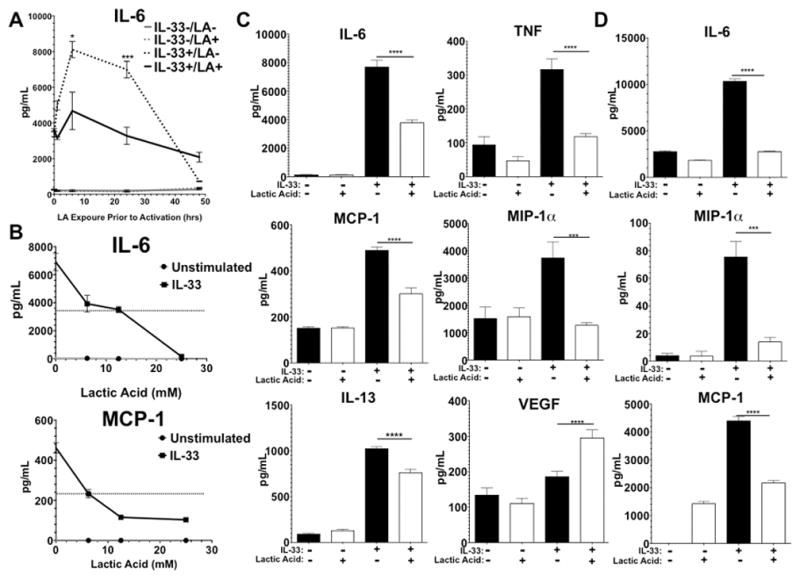
FIGURE 1. Lactic acid suppresses IL-33-mediated cytokine production in mast cells
Mast cells were pretreated with 12.5 mM lactic acid prior to IL-33 activation. Supernatants were collected 16 hrs after IL-33 activation. A) Time-course and B) dose-response experiments were done to determine kinetics of lactic acid effects on BMMC cytokine production. C) BMMC treated with 12.5mM LA for 24 hours were activated for 16 hours with IL-33, and supernatants were assessed by ELISA. D) Peritoneal mast cells harvested from C57BL/6 mice were treated and activated as in (C). Results are expressed as mean ±SEM. Results of A), B), and D) are representative of three independent experiments conducted in triplicate. Results in C) are three independent experiments conducted in triplicate. *, p<0.05; **, p<0.01; ***, p<0.001; ****, p<0.0001; NS, not significant.
FIGURE 2
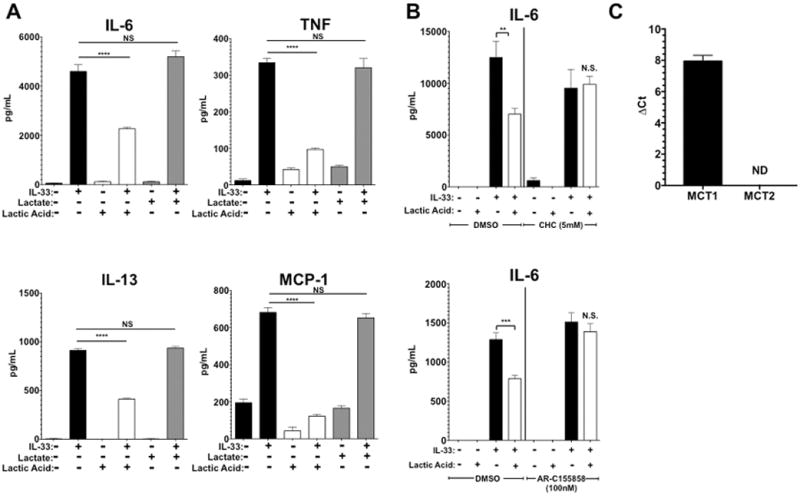
FIGURE 2. LA effects are pH- and MCT-1-dependent
A) BMMC were cultured in media alone, 12.5 mM lactic acid, or sodium lactate media for 24 hours prior to IL-33 activation. ELISA was used to measure IL-6, TNF, IL-13, and MCP-1 in culture supernatants. B) BMMC were treated with either vehicle (DMSO) or the indicated MCT inhibitors, α-cyano-4-hydroxycinnamic acid (CHC) or AR-C155858 for 1 hour prior to lactic acid or media treatment for 24 hours. Cells were then activated with 100ng/mL of IL-33 for 16 hours, supernatants collected, and IL-6 measured using ELISA. C) MCT-1 and MCT-2 expression was measured during 40 cycles of RT-qPCR using RNA harvested from BMMC. β-actin was used as the housekeeping gene for MCT-1 and GAPDH for MCT-2, based on primer optimization and melting point similarities. ND means “not detectable”. Results are expressed as mean ±SEM and are representative of 3 independent experiments conducted in triplicate. *, p<0.05; **, p<0.01; ***, p<0.001; ****, p<0.0001; NS, not significant.
FIGURE 3
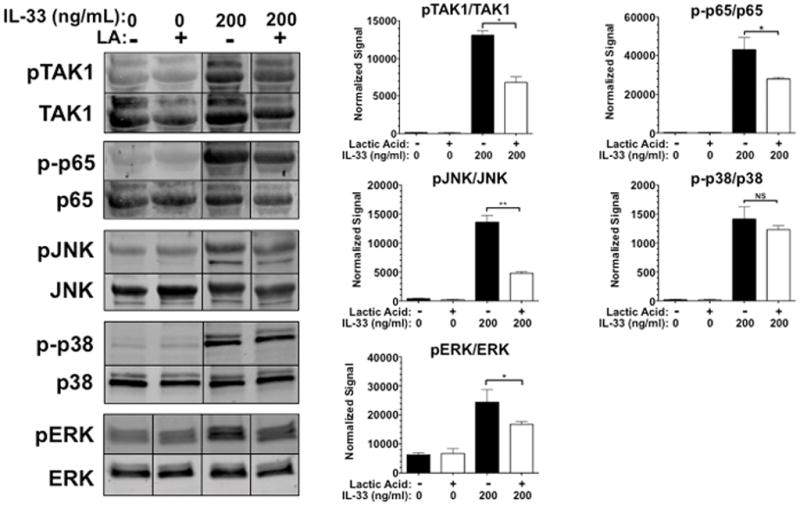
FIGURE 3. IL-33 signaling is suppressed by lactic acid treatment
BMMC were pretreated for 24 hours with media or lactic acid then activated with IL-33 at 200ng/mL for 5 minutes. Lysates were analyzed by western blotting to measure expression and phosphorylation of the indicated proteins. Representative blots are shown on the left, while bar charts show mean ± SEM of phospho-protein:total protein ratios calculated using the LI-Cor Odyssey software Image Studio 4.0. Results shown are representative of three experiments done in triplicate. *, p<0.05; **, p<0.01; ***, p<0.001; ****, p<0.0001; NS, not significant.
FIGURE 4
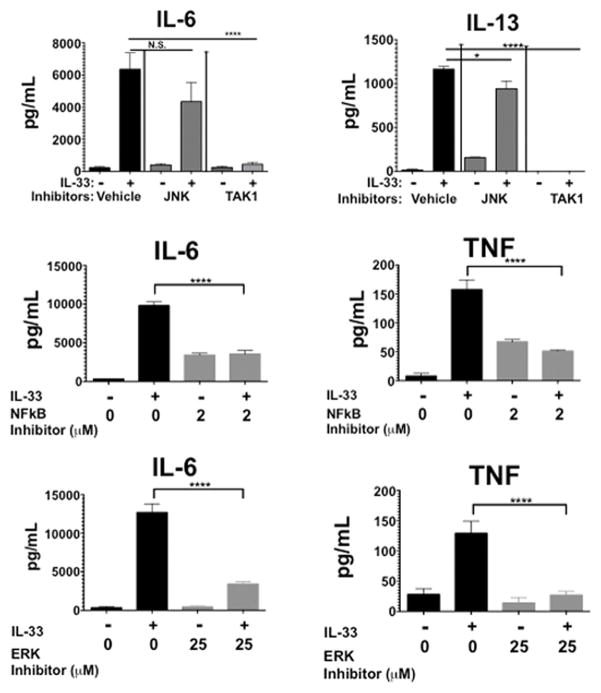
FIGURE 4. Signal transduction inhibitors reproduce lactic acid-mediated suppression
BMMC were pretreated with inhibitors (JNK: SP600125, 10 μM; TAK1: (5Z)-7-Oxozeaenol, 5 μM; NFκB: BAY 11-7085, 2 μM; ERK: FR180204, 25 μM) for 1 hour. Cells were then activated with 100ng/mL of IL-33 for 16 hours, supernatants were collected and analyzed via ELISA. Data are shown as mean ± SEM of three independent experiments conducted in triplicate. *, p<0.05; **, p<0.01; ***, p<0.001; ****, p<0.0001; NS, not significant.
FIGURE 5
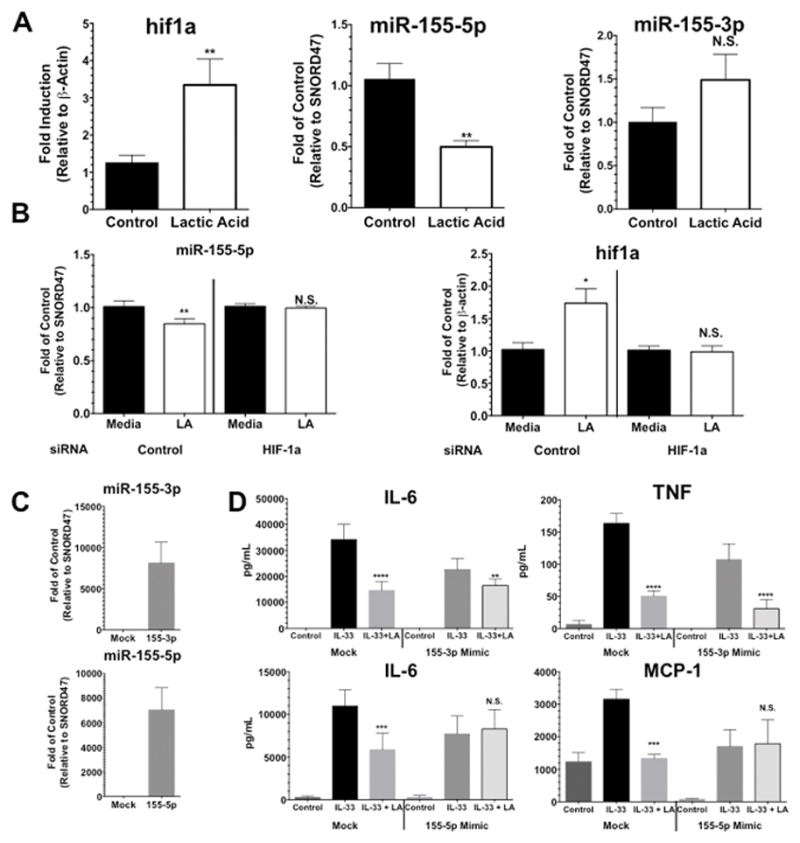
FIGURE 5. Lactic acid effects require HIF-1α-dependent miR-155-5p suppression
A) BMMC were treated with lactic acid for 6 hours followed by collecting RNA to measure HIF-1α and miR-155 product. B) Cells were transfected with HIF-1α siRNA, incubated for 24 hours, treated with lactic acid for 6 hours, and then microRNA and mRNA were collected to measure miR-155-5p, as well as HIF-1α (to confirm knockdown). C) and D) BMMC were transfected with miR-155 mimics or a control/Mock transcript. After 48 hours of culture, cells were treated with LA for 24 hours, activated with IL-33 for 16 hours, and cytokines were measured by ELISA. Confirmation of transfection is shown in C) and examining the ability of LA to suppress IL-33-mediated cytokine production is shown in D). Results are expressed as mean ±SEM. Results in A) are 3 independent experiments conducted in triplicate and results in B), C), and D) are representative of 2 independent experiments done in triplicate. *, p<0.05; **, p<0.01; ***, p<0.001; ****, p<0.0001; NS, not significant.
FIGURE 6
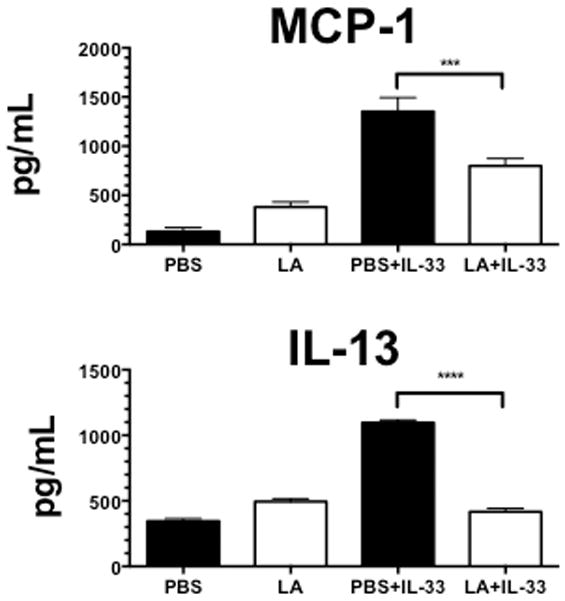
FIGURE 6. Lactic acid suppresses IL-33-mediated inflammation in vivo
C57BL/6 mice were first injected subcutaneously with ketoprofen (1mg/kg in PBS) as an analgesic. 30 minutes later, mice were injected with either LA (4mg/kg in 4% (w/v) solution in PBS) or PBS alone. 16 hours later, mice were injected with either PBS or 1μg of IL-33. After 4 hours, mice were euthanized, blood plasma was collected from cardiac puncture, and samples analyzed by ELISA. Results are expressed as mean ±SEM and n=7. *, p<0.05; **, p<0.01; ***, p<0.001; ****, p<0.0001; NS, not significant.
Figure 7
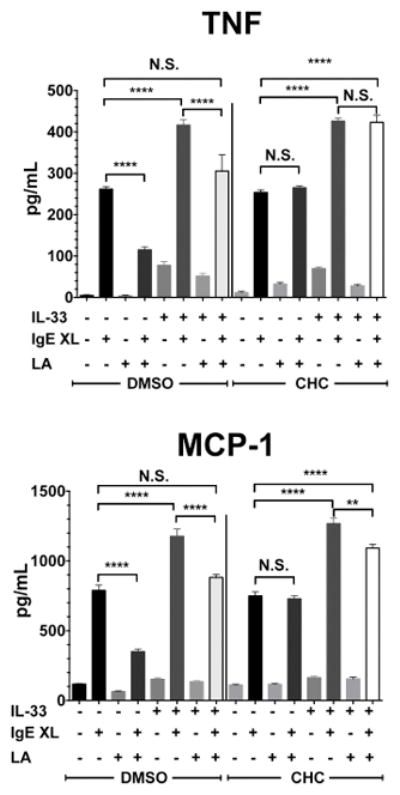
Figure 7. Primary human skin mast cell mediator release is decreased by lactic acid in an MCT-dependent manner
Primary human skin mast cells cultured from 5 donors were treated with either DMSO or an MCT inhibitor (CHC; 2.5mM), along with media alone or 12.5 mM lactic acid for 24 hours, then activated with either IL-33, IgE-Ag cross linking (IgE XL), or both. Supernatants were collected after 16 hours and analyzed by ELISA. *, p<0.05; **, p<0.01; ***, p<0.001; ****, p<0.0001; NS, not significant.

References

    1. Kalesnikoff J, Galli SJ. New developments in mast cell biology. Nat Immunol. 2008;9:1215–1223. - PMC - PubMed
    1. Amin K. The role of mast cells in allergic inflammation. Respir Med. 2012;106:9–14. - PubMed
    1. Finkelman FD. Anaphylaxis: lessons from mouse models. J Allergy Clin Immunol. 2007;120:506–515. - PubMed
    1. Burton OT, Oettgen HC. Beyond immediate hypersensitivity: evolving roles for IgE antibodies in immune homeostasis and allergic diseases. Immunol Rev. 2011;242:128–143. - PMC - PubMed
    1. Metcalfe DD, Peavy RD, Gilfillan AM. Mechanisms of mast cell signaling in anaphylaxis. J Allergy Clin Immunol. 2009;124:639–648. - PMC - PubMed

Publication types