


Review
doi: 10.1021/acs.jmedchem.6b00669.
Epub 2016 Sep 27.
Development of Therapeutics That Induce Mitochondrial Biogenesis for the Treatment of Acute and Chronic Degenerative Diseases
Affiliations
- PMID: 27560192
- PMCID: PMC5564430
- DOI: 10.1021/acs.jmedchem.6b00669
Item in Clipboard
Review
Development of Therapeutics That Induce Mitochondrial Biogenesis for the Treatment of Acute and Chronic Degenerative Diseases
J Med Chem.
.
Abstract
Mitochondria have various roles in cellular metabolism and homeostasis. Because mitochondrial dysfunction is associated with many acute and chronic degenerative diseases, mitochondrial biogenesis (MB) is a therapeutic target for treating such diseases. Here, we review the role of mitochondrial dysfunction in acute and chronic degenerative diseases and the cellular signaling pathways by which MB is induced. We then review existing work describing the development and application of drugs that induce MB in vitro and in vivo. In particular, we discuss natural products and modulators of transcription factors, kinases, cyclic nucleotides, and G protein-coupled receptors.
Figures
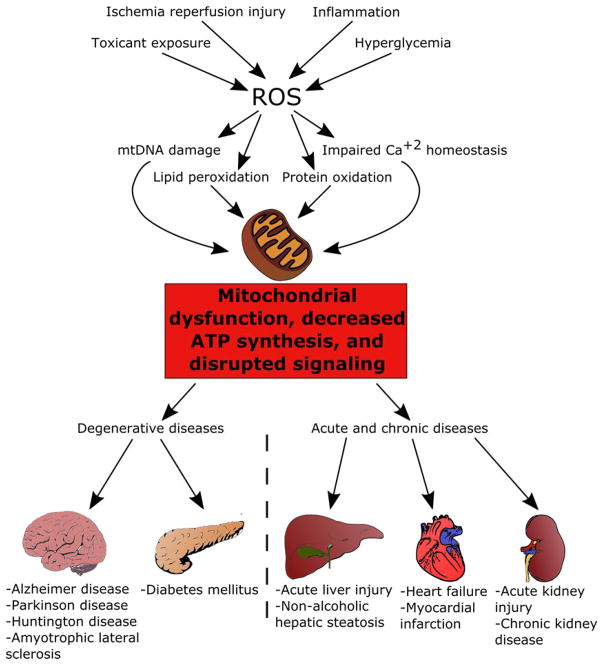
Multiple insults converge upon the mitochondria, leading to mitochondrial dysfunction and subsequent organ injury and disease.
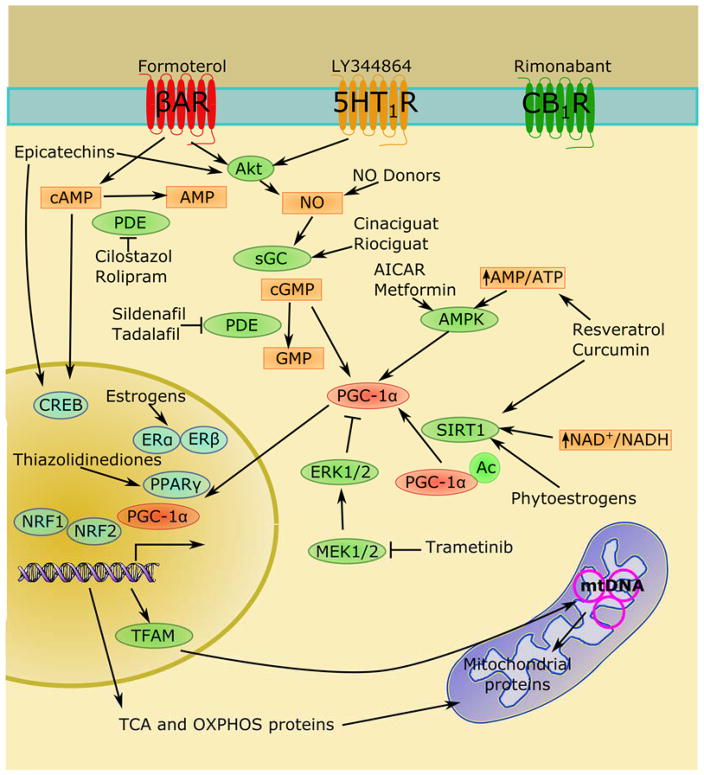
PGC-1α integrates extracellular and cytosolic signaling inputs to selectively upregulate mitochondrial biogenesis.
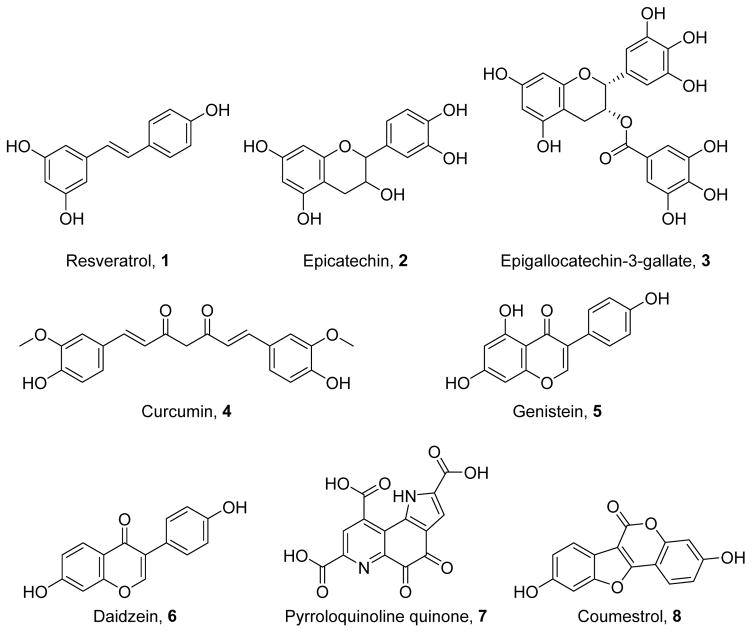
Naturally occurring polyphenols capable of inducing MB.
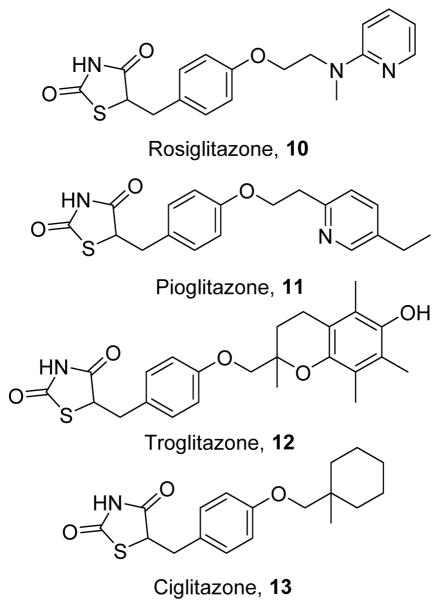
Thiazolidinedione inducers of MB.
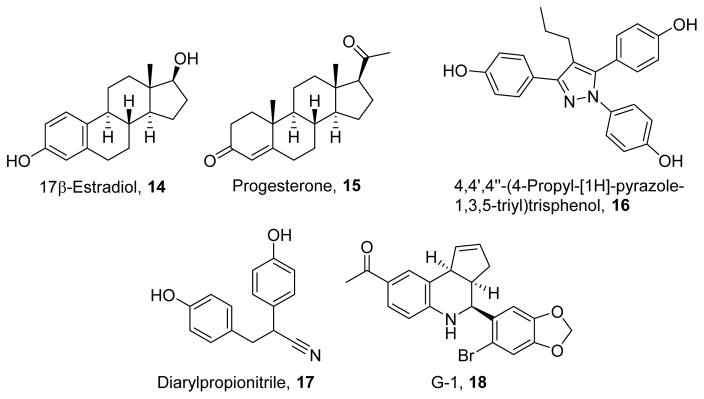
Estrogen inducers of MB.
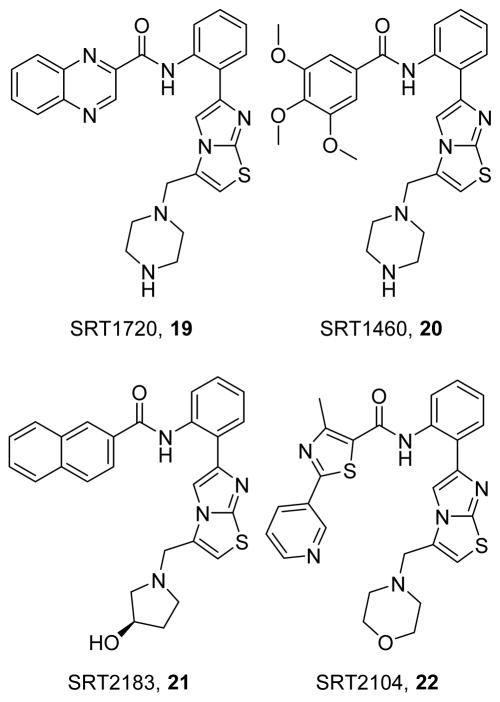
Activators of SIRT1 that induce MB.
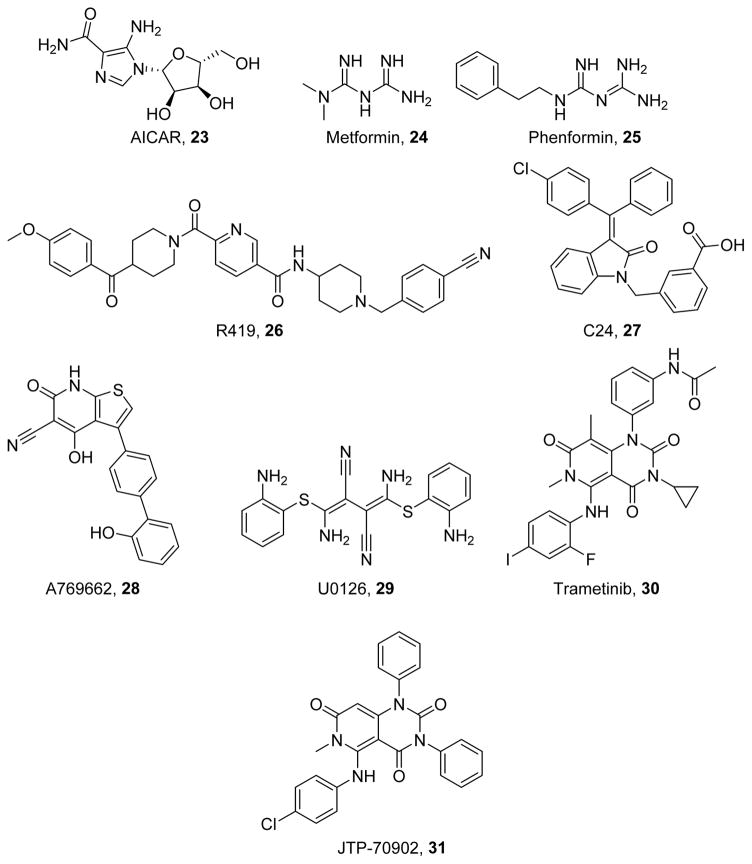
Kinase modulators that induce MB.
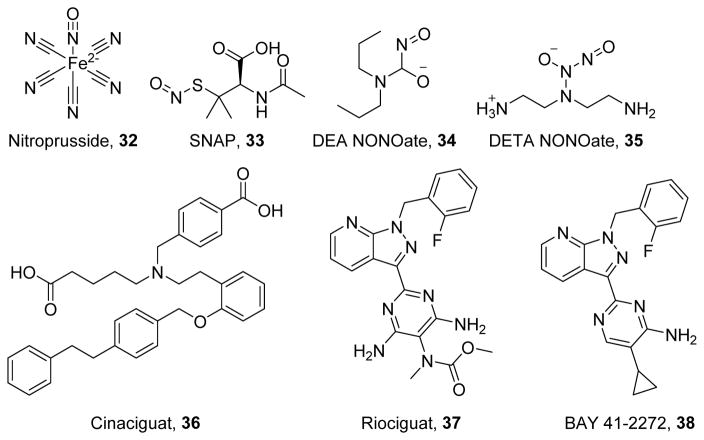
Activators and stimulators of the NO/cGMP pathway.
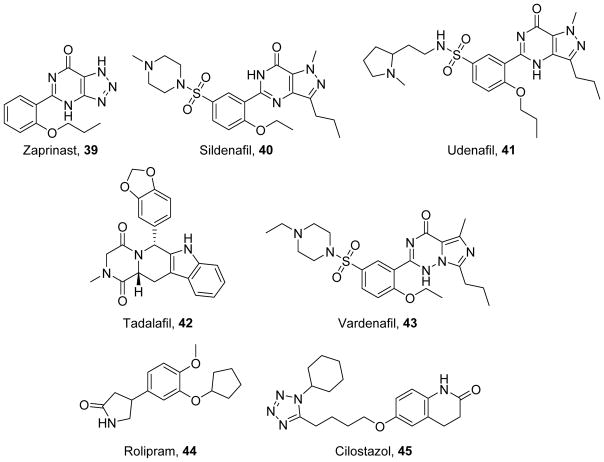
Phosphodiesterase (PDE) inhibitors associated with MB.
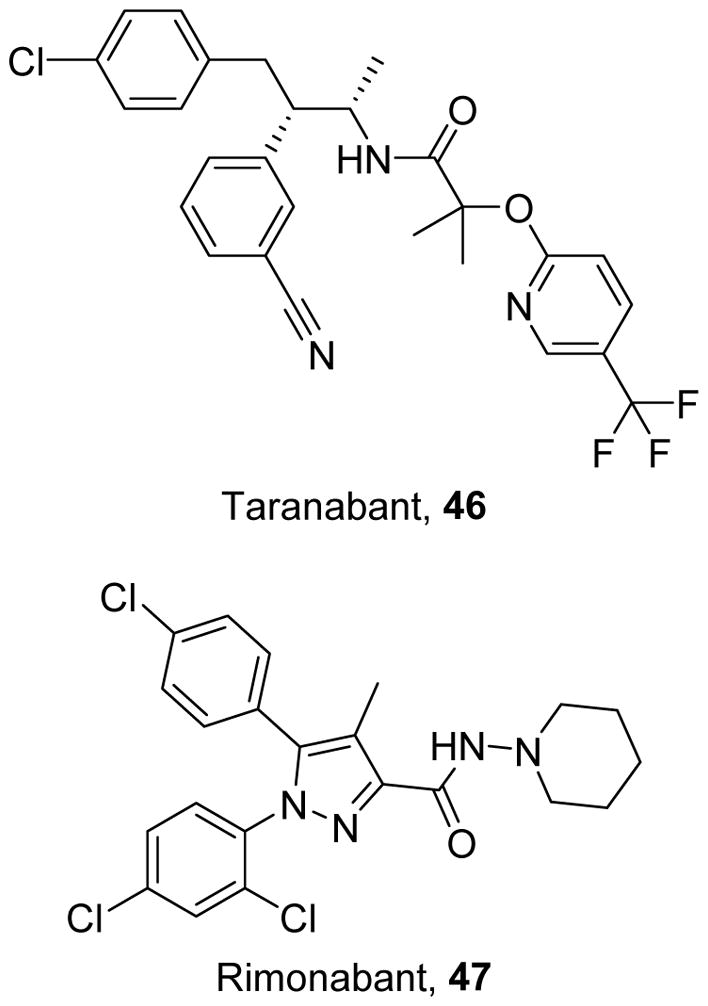
Cannabinoid-1 Receptor antagonists.
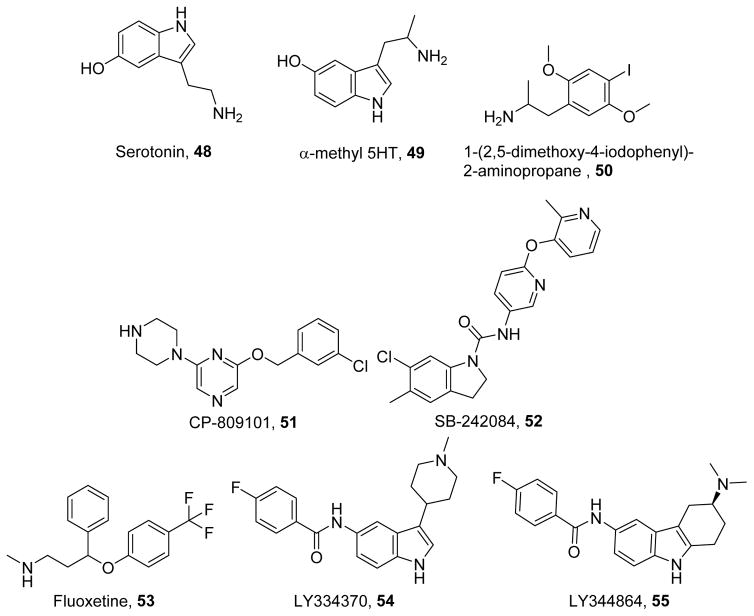
5-Hydroxytryptamine receptor modulators that induce MB.
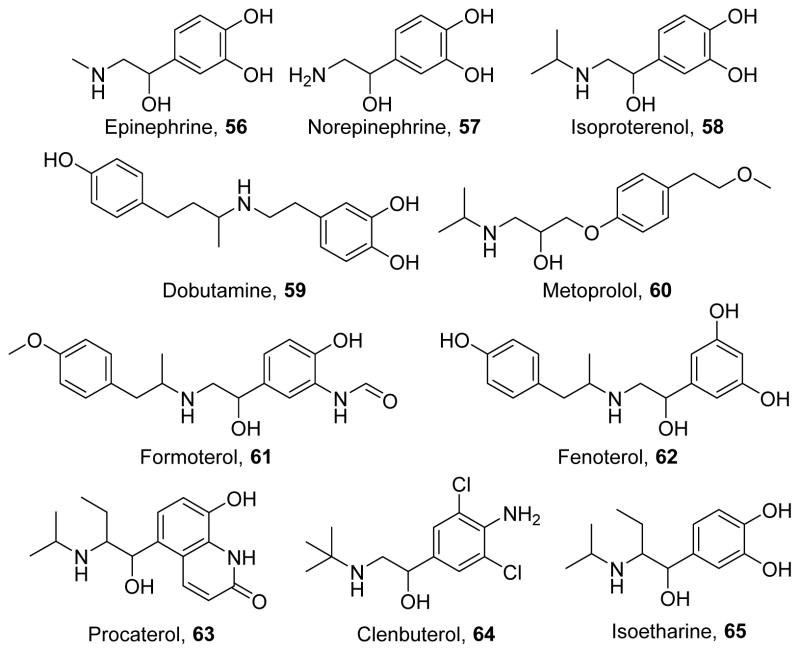
Beta adrenergic receptor modulators tested for the induction of MB.
References
-
- Whitaker RM, Corum D, Beeson CC, Schnellmann RG. Mitochondrial Biogenesis as a Pharmacological Target: A New Approach to Acute and Chronic Diseases. Annu Rev Pharmacol Toxicol. 2016;56:229–249. - PubMed
-
- Hafizi Abu Bakar M, Kian Kai C, Wan Hassan WN, Sarmidi MR, Yaakob H, Zaman Huri H. Mitochondrial Dysfunction as a Central Event for Mechanisms Underlying Insulin Resistance: The Roles of Long Chain Fatty Acids. Diabetes Metab Res Rev. 2015;31(5):453–475. - PubMed
Publication types
MeSH terms
Substances
Grants and funding
LinkOut - more resources
Full Text Sources
Other Literature Sources
Miscellaneous
