


A web-based interactive tool to improve breast cancer patient centredness
- PMID: 27563354
- PMCID: PMC4970622
- DOI: 10.3332/ecancer.2016.659
A web-based interactive tool to improve breast cancer patient centredness
Abstract
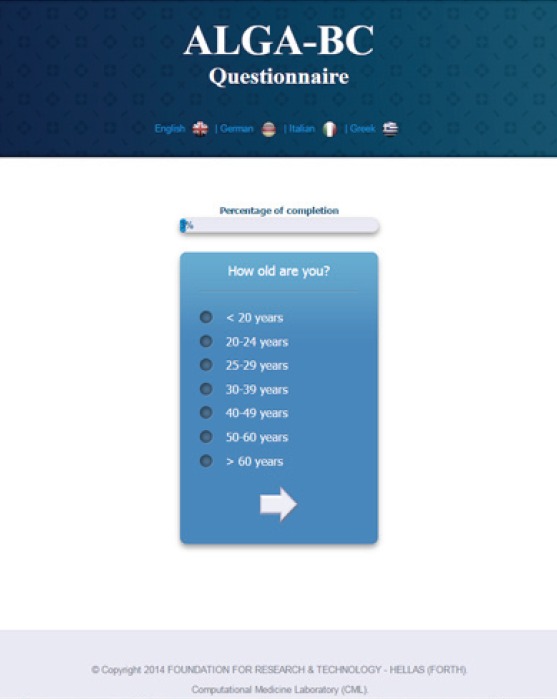
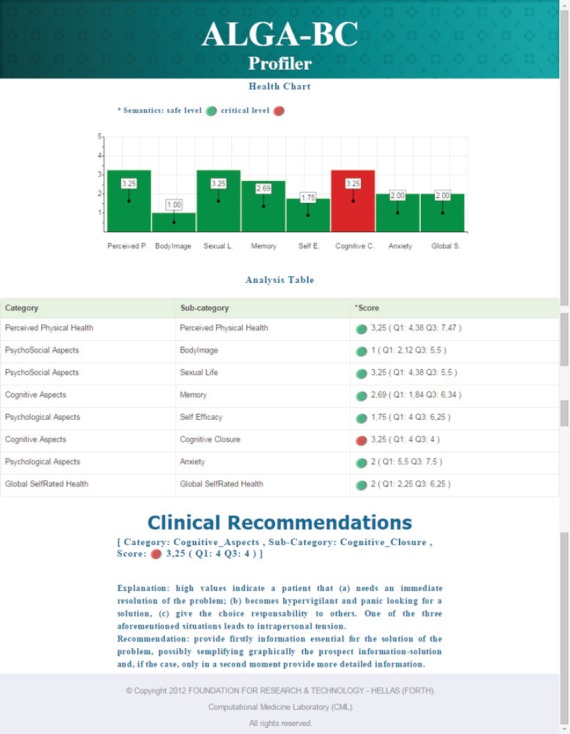
The uniqueness of a patient as determined by the integration of clinical data and psychological aspects should be the aspired aim of a personalized medicine approach. Nevertheless, given the time constraints usually imposed by the clinical setting, it is not easy for physicians to collect information about the patient's unique mental dimensions and needs related to her illness. Such information may be useful in tailoring patient-physician communication, improving the patient's understanding of provided information, her involvement in the treatment process, and in general her empowerment during and after the therapeutic journey. The primary objective of this study is to evaluate the effect of an interactive empowerment tool (IEm) on enhancing the breast cancer patient-physician experience, in terms of increasing empowerment, i.e. by providing physicians with a personalised patient's profile, accompanied by specific recommendations to advise them how to interact with each individual patient on the basis of her personal profile. The study will be implemented as a two-arm randomised controlled trial with 100 adult breast cancer patients who fill in the ALGA-BC questionnaire, a computerised validated instrument to evaluate the patient's physical and psychological characteristics following a breast cancer diagnosis. The IEm tool will collect and analyse the patient's answers in real time and send them, together with specific recommendations to the physician's computer immediately before physician's first encounter with the patient. Patients will be randomised to either the intervention group using the IEm tool or to a control group who will only fill in the questionnaire without taking advantage of the tool (physicians will not receive the patient's profile). The proposed approach is supposed to improve the patient-physician communication leading to increased patient participation in the therapeutic process as a consequence leading to improvement in patient empowerment and personalisation of care.
Keywords: breast cancer; patient empowerment; patient–physician communication; personalised medicine; web-based tool.
Figures
References
-
- Organization WH. People-Centred Health Care: A policy framework. 2007. O.M.S.
-
- Coulter A, Collins A. Making Shared Decision-Making a Reality: No decision about me, without me. London: The King’s Fund; 2011.
-
- Weingart SN, et al. The You CAN Campaign: Teamwork Training for Patients and Families in Ambulatory Oncology. Jt Comm J Qual Patient Saf. 2009;35(2):63–71. - PubMed
-
- Nutbeam D. Health literacy as a public health goal: a challenge for contemporary health education and communication strategies into the 21st century. Health Promotion Internat. 2000;15:259–67. doi: 10.1093/heapro/15.3.259. - DOI
LinkOut - more resources
Full Text Sources
Other Literature Sources