


The novel mitochondria-targeted hydrogen sulfide (H2S) donors AP123 and AP39 protect against hyperglycemic injury in microvascular endothelial cells in vitro
- PMID: 27565382
- PMCID: PMC5113977
- DOI: 10.1016/j.phrs.2016.08.019
The novel mitochondria-targeted hydrogen sulfide (H2S) donors AP123 and AP39 protect against hyperglycemic injury in microvascular endothelial cells in vitro
Abstract
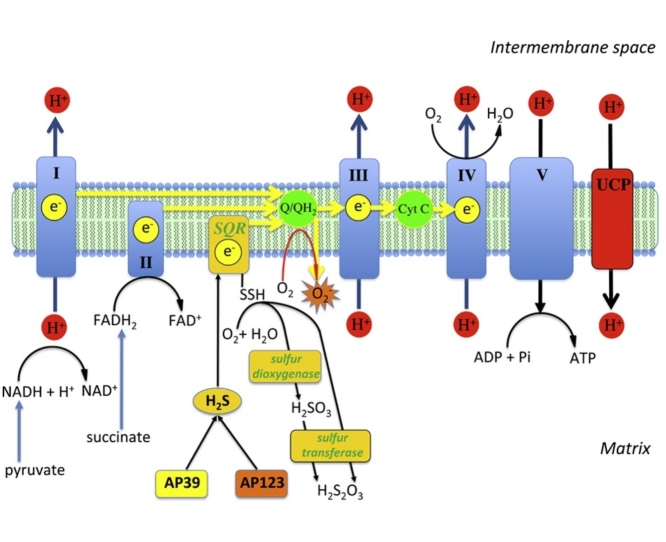
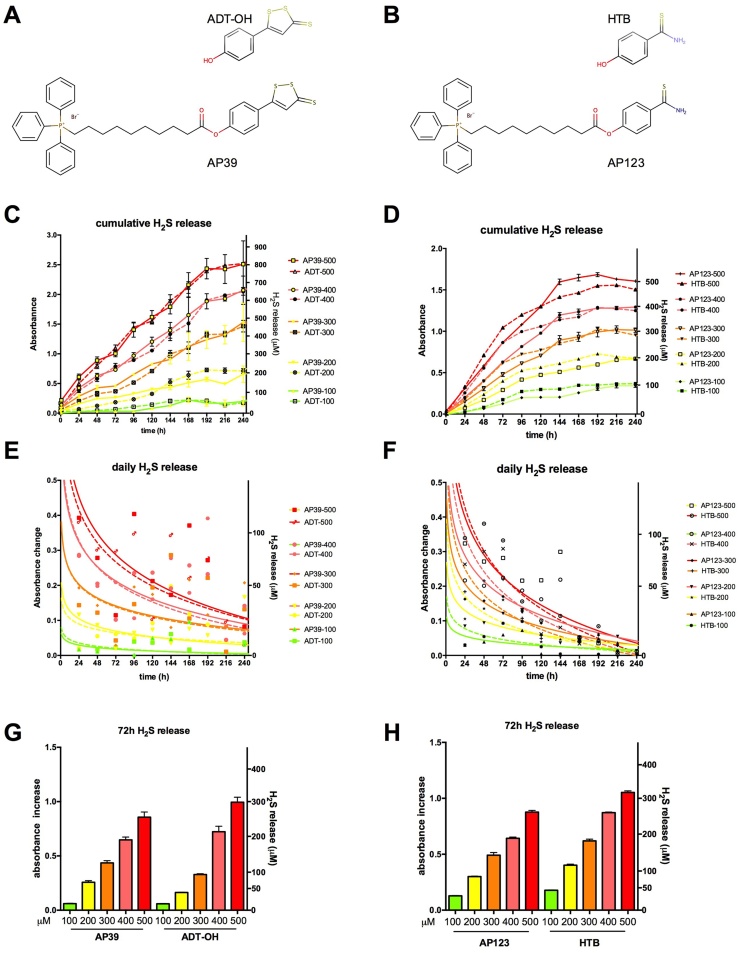
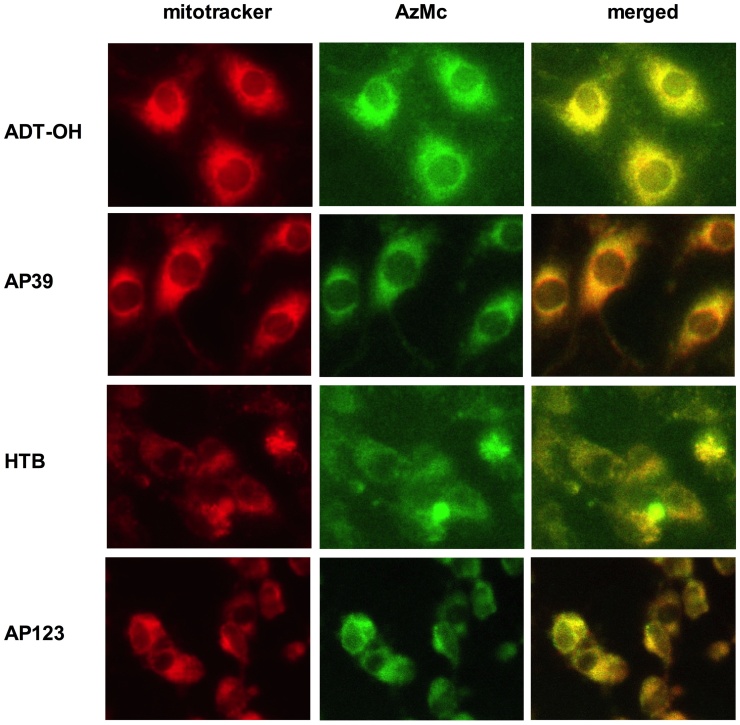
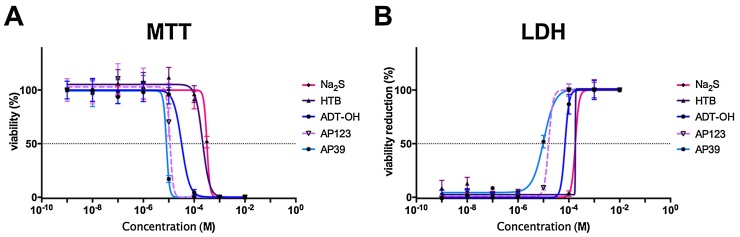
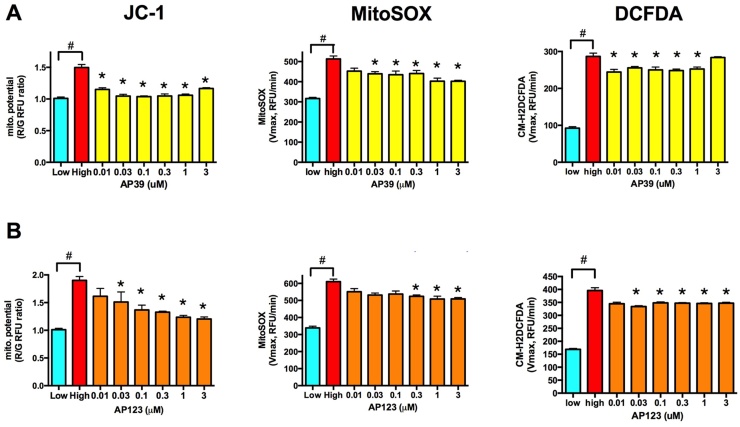
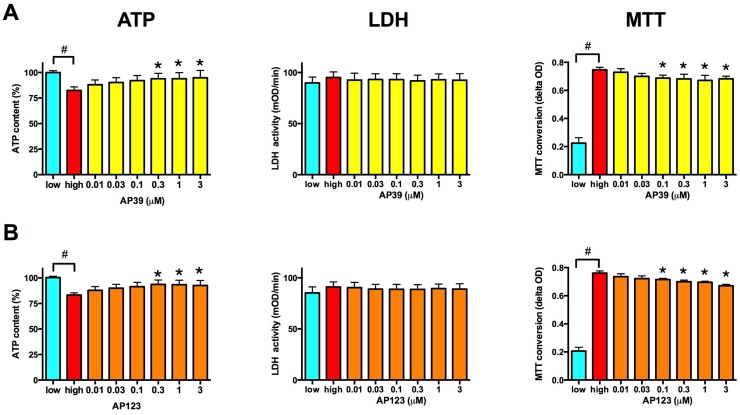
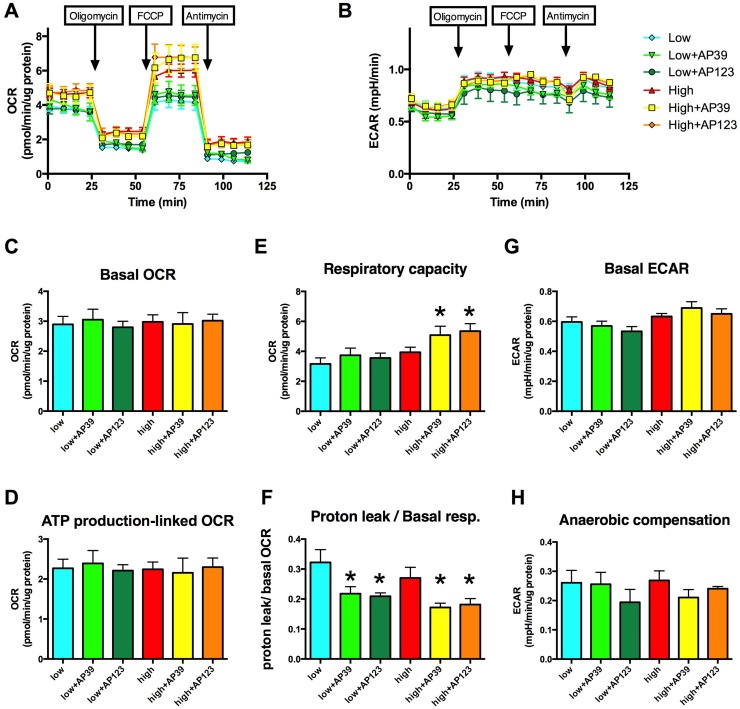
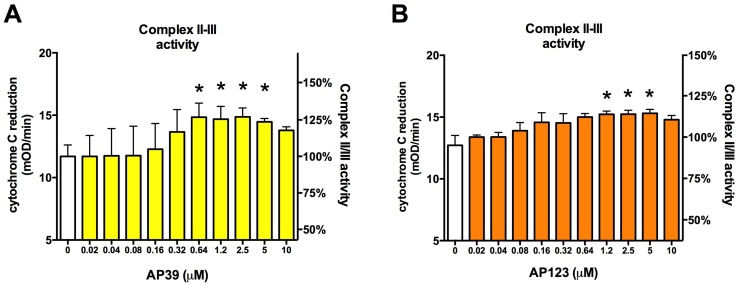
The development of diabetic vascular complications is initiated, at least in part, by mitochondrial reactive oxygen species (ROS) production in endothelial cells. Hyperglycemia induces superoxide production in the mitochondria and initiates changes in the mitochondrial membrane potential that leads to mitochondrial dysfunction. Hydrogen sulfide (H2S) supplementation has been shown to reduce the mitochondrial oxidant production and shows efficacy against diabetic vascular damage in vivo. However, the half-life of H2S is very short and it is not specific for the mitochondria. We have therefore evaluated two novel mitochondria-targeted anethole dithiolethione and hydroxythiobenzamide H2S donors (AP39 and AP123 respectively) at preventing hyperglycemia-induced oxidative stress and metabolic changes in microvascular endothelial cells in vitro. Hyperglycemia (HG) induced significant increase in the activity of the citric acid cycle and led to elevated mitochondrial membrane potential. Mitochondrial oxidant production was increased and the mitochondrial electron transport decreased in hyperglycemic cells. AP39 and AP123 (30-300nM) decreased HG-induced hyperpolarisation of the mitochondrial membrane and inhibited the mitochondrial oxidant production. Both H2S donors (30-300nM) increased the electron transport at respiratory complex III and improved the cellular metabolism. Targeting H2S to mitochondria retained the cytoprotective effect of H2S against glucose-induced damage in endothelial cells suggesting that the molecular target of H2S action is within the mitochondria. Mitochondrial targeting of H2S also induced >1000-fold increase in the potency of H2S against hyperglycemia-induced injury. The high potency and long-lasting effect elicited by these H2S donors strongly suggests that these compounds could be useful against diabetic vascular complications.
Keywords: Bioenergetics; Complex II; Electron transport; Endothelial cells; Hydrogen sulfide; Hyperglycemia; Oxidative stress; SQR; Superoxide.
Copyright © 2016 The Authors. Published by Elsevier Ltd.. All rights reserved.
Figures
References
-
- Hex N., Bartlett C., Wright D., Taylor M., Varley D. Estimating the current and future costs of Type 1 and Type 2 diabetes in the UK, including direct health costs and indirect societal and productivity costs. Diabet. Med.: J. Br. Diabet. Assoc. 2012;29(7):855–862. (PubMed PMID: 22537247) - PubMed
-
- World Health Organization . Definition and diagnosis of diabetes mellitus and intermediate hyperglycaemia: report of a WHO/IDF consultation. World Health Organization; Geneva: 2006. International Diabetes Federation.
-
- Giorgino F., Leonardini A., Laviola L. Cardiovascular disease and glycemic control in type 2 diabetes: now that the dust is settling from large clinical trials. Ann. N. Y. Acad. Sci. 2013;1281:36–50. doi: 10.1111/nyas.12044. (PubMed PMID: 23387439 PubMed Central PMCID: PMC3715107) - DOI - PMC - PubMed
-
- Avogaro A. Is glycemic control relevant to cardiovascular clinical outcomes? Heart Metab. 2015;68:20–26.
Publication types
MeSH terms
Substances
Grants and funding
LinkOut - more resources
Full Text Sources
Other Literature Sources
Medical
