


A systematic evaluation of the potential effects of trichloroethylene exposure on cardiac development
- PMID: 27575429
- PMCID: PMC9113522
- DOI: 10.1016/j.reprotox.2016.08.014
A systematic evaluation of the potential effects of trichloroethylene exposure on cardiac development
Abstract
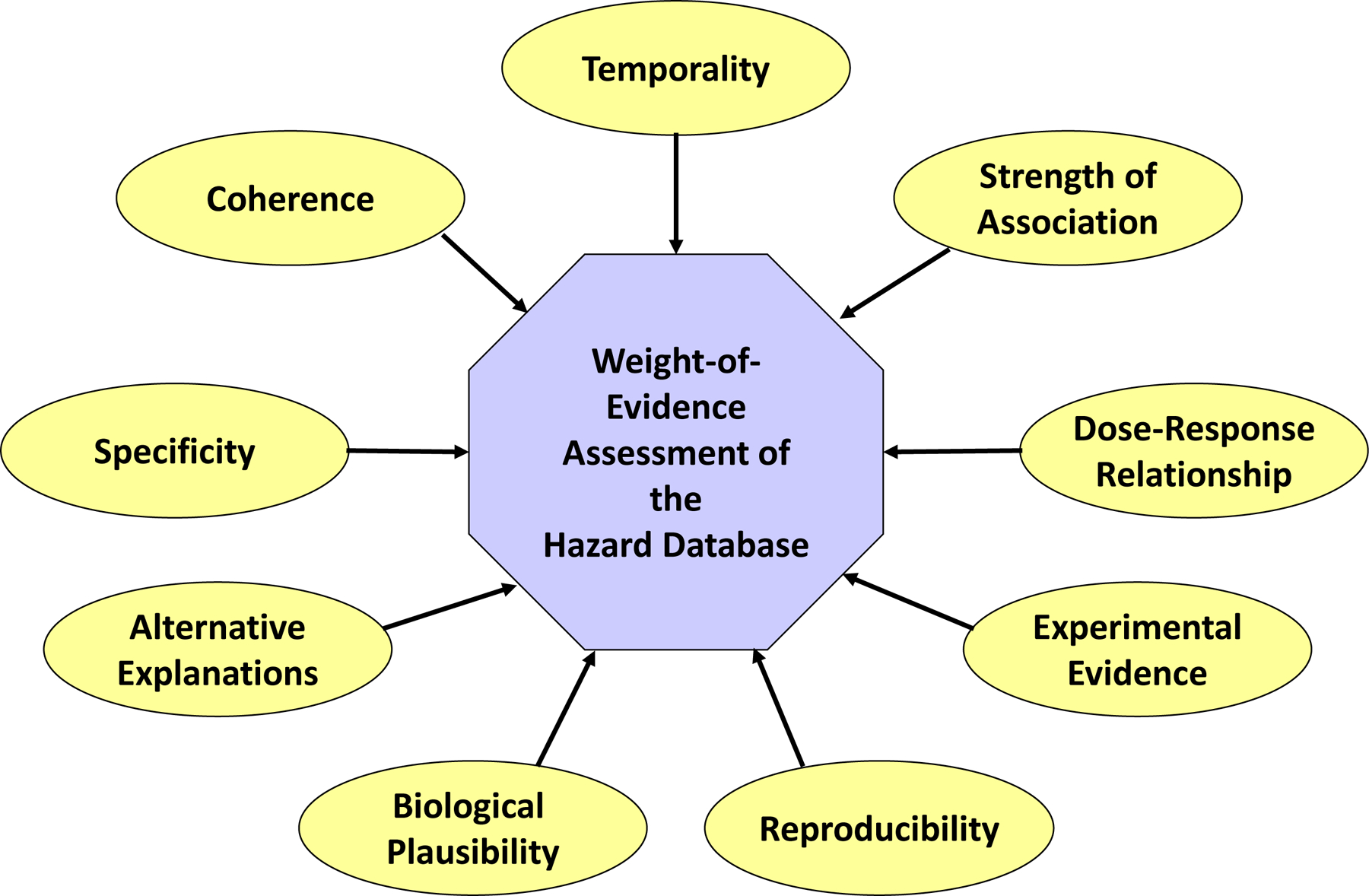
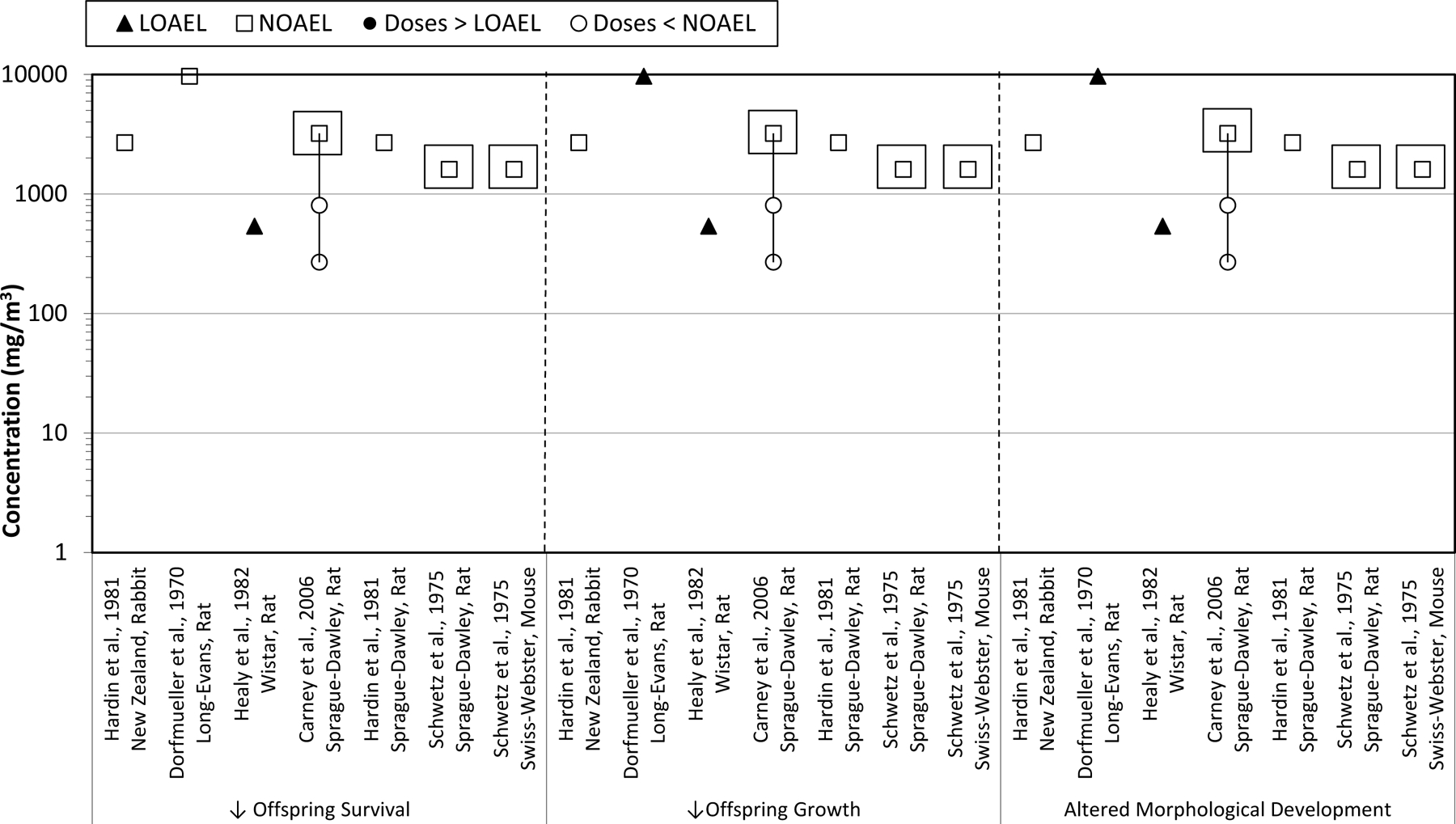
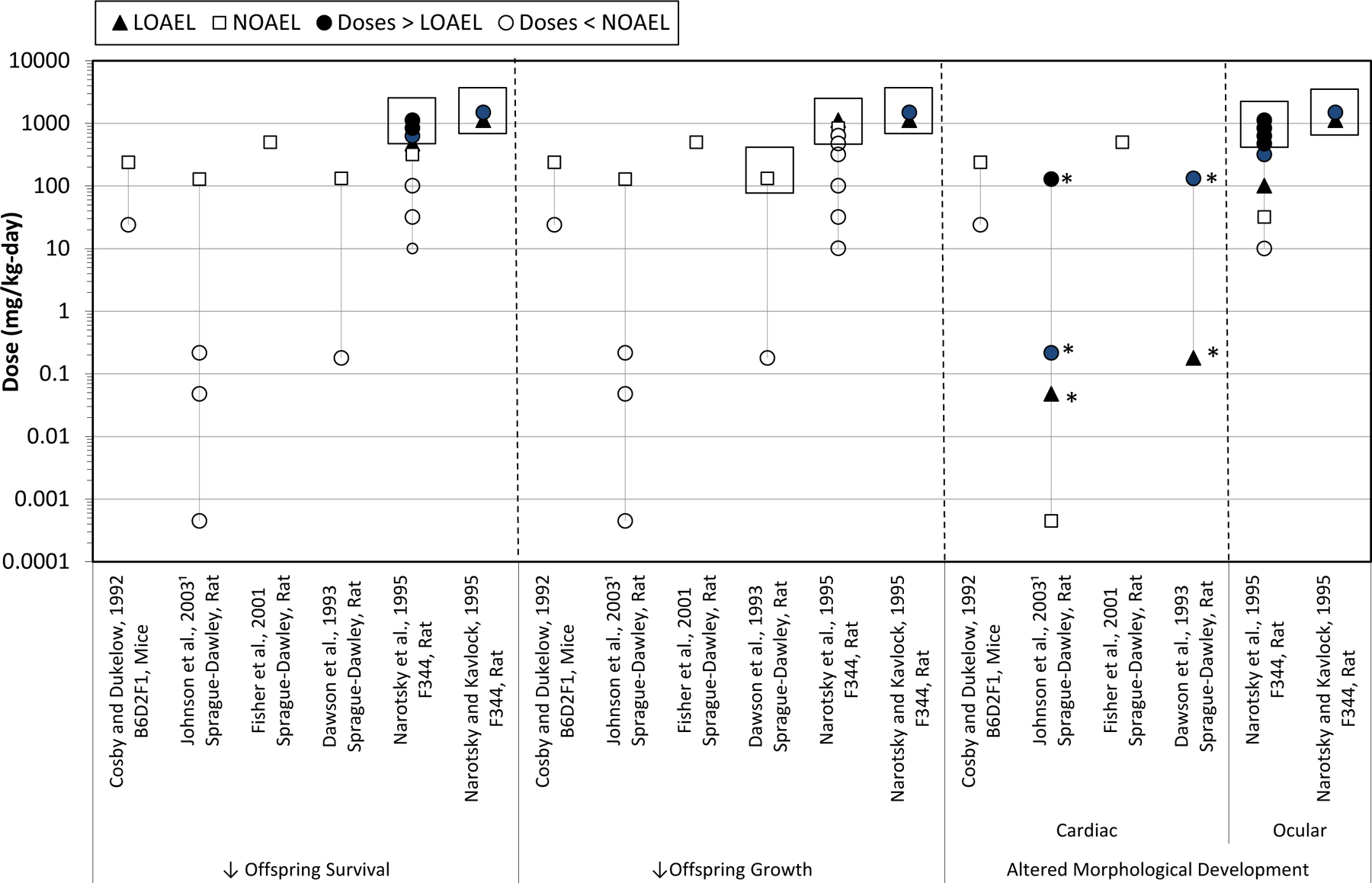
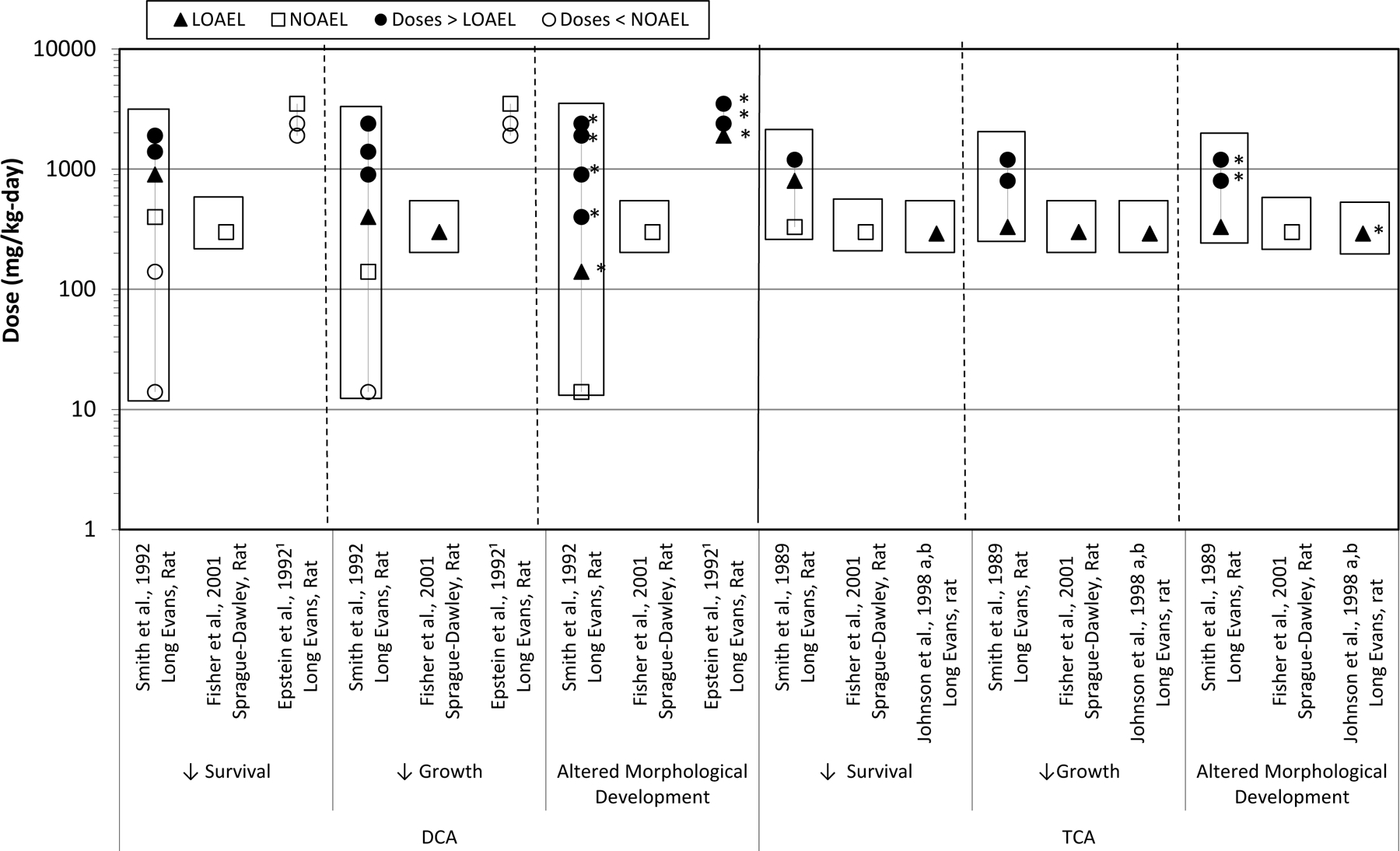
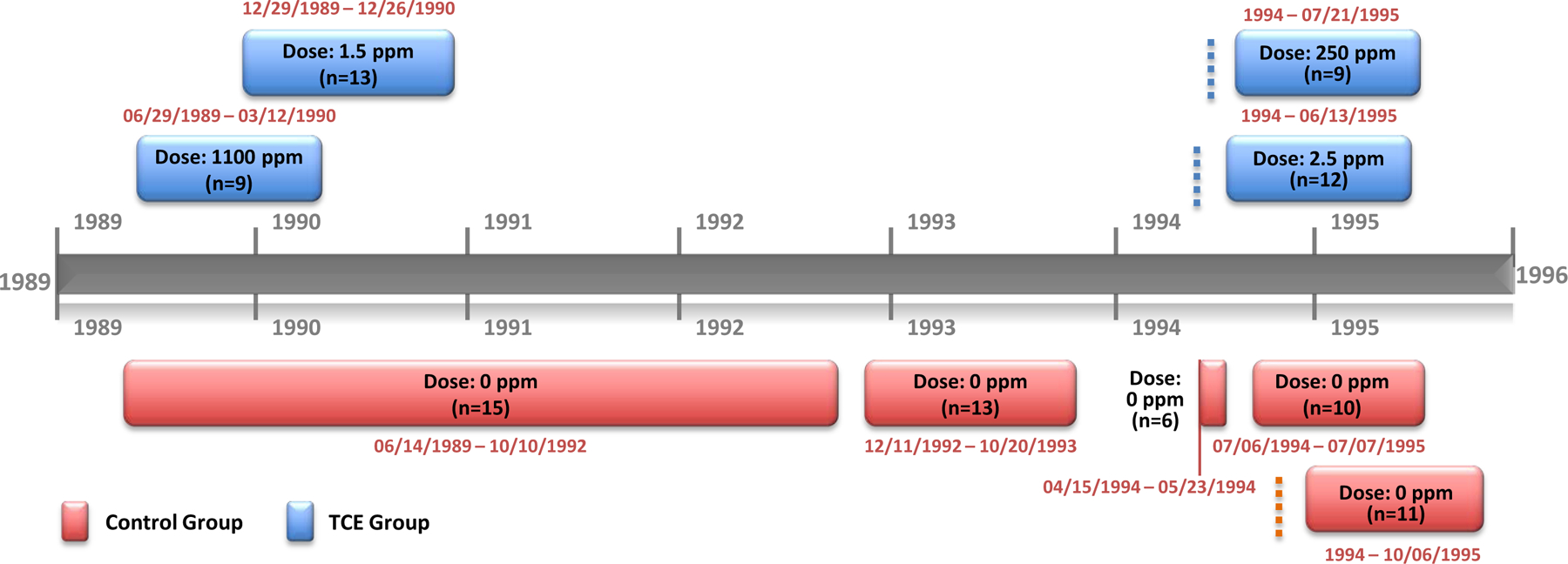
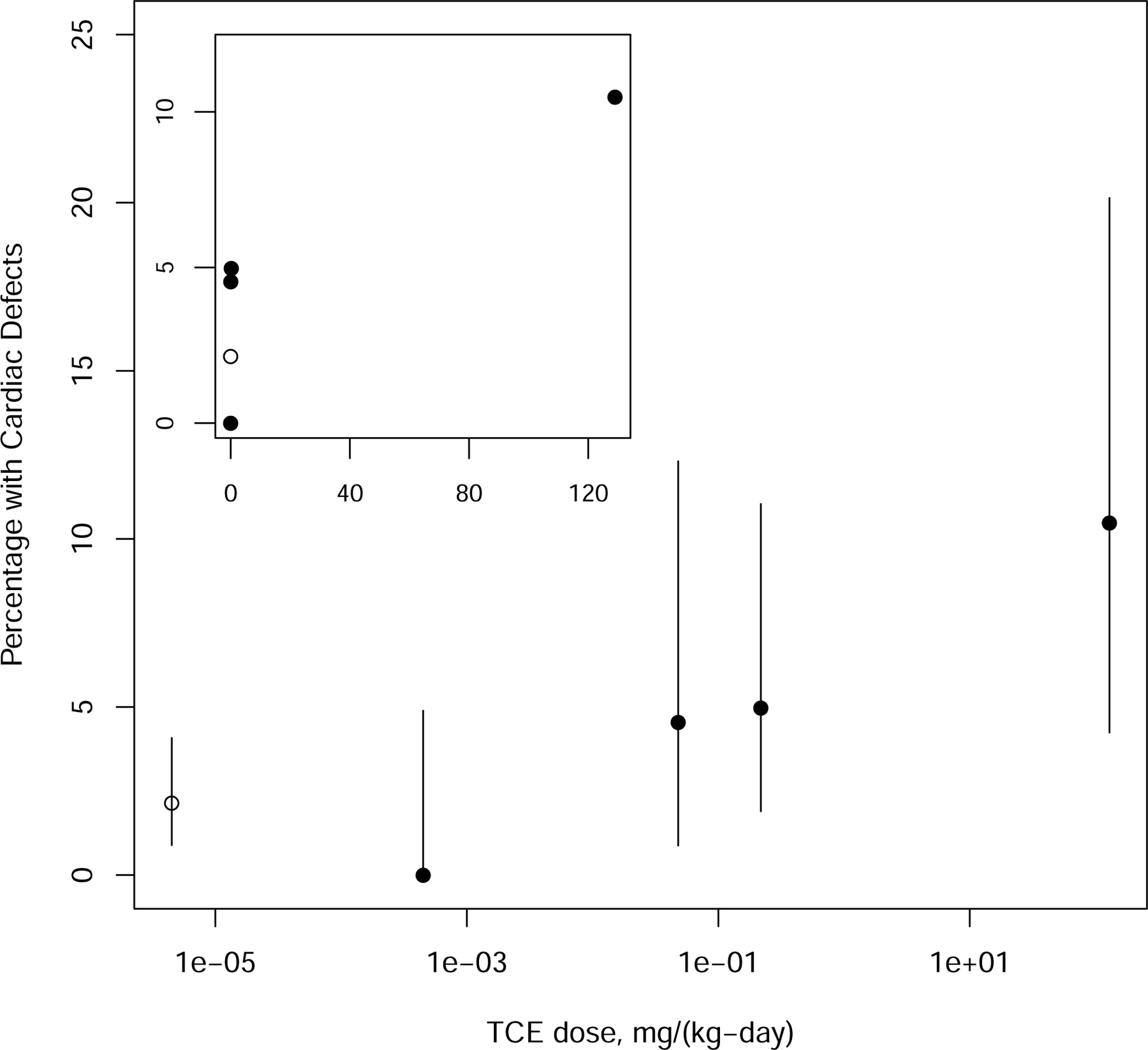
The 2011 EPA trichloroethylene (TCE) IRIS assessment, used developmental cardiac defects from a controversial drinking water study in rats (Johnson et al. [51]), along with several other studies/endpoints to derive reference values. An updated literature search of TCE-related developmental cardiac defects was conducted. Study quality, strengths, and limitations were assessed. A putative adverse outcome pathway (AOP) construct was developed to explore key events for the most commonly observed cardiac dysmorphologies, particularly those involved with epithelial-mesenchymal transition (EMT) of endothelial origin (EndMT); several candidate pathways were identified. A hypothesis-driven weight-of-evidence analysis of epidemiological, toxicological, in vitro, in ovo, and mechanistic/AOP data concluded that TCE has the potential to cause cardiac defects in humans when exposure occurs at sufficient doses during a sensitive window of fetal development. The study by Johnson et al. [51] was reaffirmed as suitable for hazard characterization and reference value derivation, though acknowledging study limitations and uncertainties.
Keywords: AOP; Cardiac; Malformations; TCE; Trichloroethylene.
Published by Elsevier Inc.
Conflict of interest statement
Conflict of interest
The authors declare that there are no conflicts of interest.
Figures
Comment in
-
The systematic review of TCE cardiac defects (Makris et al., 2016).Reprod Toxicol. 2017 Aug;71:124-125. doi: 10.1016/j.reprotox.2017.05.013. Epub 2017 May 30. Reprod Toxicol. 2017. PMID: 28571977 No abstract available.
-
Review of TCE cardiac defects data by Makris et al. is not systematic.Reprod Toxicol. 2017 Aug;71:134. doi: 10.1016/j.reprotox.2017.05.012. Epub 2017 May 31. Reprod Toxicol. 2017. PMID: 28577896 No abstract available.
References
-
- AIA (Aerospace Industries Association), Comments on the EPA toxicological review of TCE: developmental effects, Project No. 0904539.00, Available online at http://www.regulations.gov/#!documentDetail;D=EPA-HQ-ORD-2009-0791-0009.
-
- ATSDR (Agency for Toxic Substances and Disease Registry), Health Consultation: Endicott Area Investigation: Health Statistics Review: Cancer and Birth Outcome Analysis, Endicott Area, Town of Union, Broome County, New York, U.S. Department of Health and Humans Services, Atlanta, GA, 2006. http://www.atsdr.cdc.gov/HAC/pha/EndicottAreaInvestigation/EndicottHealt....
-
- ATSDR (Agency for Toxic Substances and Disease Registry), Health Consultation: Health Statistics Review Follow-up: Cancer and Birth Outcome Analysis: Endicott Area Investigation, Endicott Area, Town of Union, Broome County, New York, U.S. Department of Health and Human Services, Atlanta, GA, 2008. http://www.atsdr.cdc.gov/hac/pha//EndicottAreaInvestigationFollowUp/Endi....
-
- ATSDR (Agency for Toxic Substances and Disease Registry), The Priority List of Hazardous Substances That Will Be the Subject of Toxicological Profiles [ATSDR Tox Profile], CDC Agency for Toxic Substances and Disease Registry, Atlanta, GA, 2013. http://www.atsdr.cdc.gov/SPL/index.html.
-
- ATSDR (Agency for Toxic Substances and Disease Registry), Public Health Statement on Trichloroethylene [ATSDR Tox Profile], CDC Agency for Toxic Substances and Disease Registry, Atlanta, GA, 2014. http://www.atsdr.cdc.gov/ToxProfiles/tp19-c1-b.pdf.
Publication types
MeSH terms
Substances
Grants and funding
LinkOut - more resources
Full Text Sources
Other Literature Sources
Research Materials
