


Effect of nitric oxide deficiency on the pulmonary PTHrP system
- PMID: 27581501
- PMCID: PMC5192877
- DOI: 10.1111/jcmm.12942
Effect of nitric oxide deficiency on the pulmonary PTHrP system
Abstract
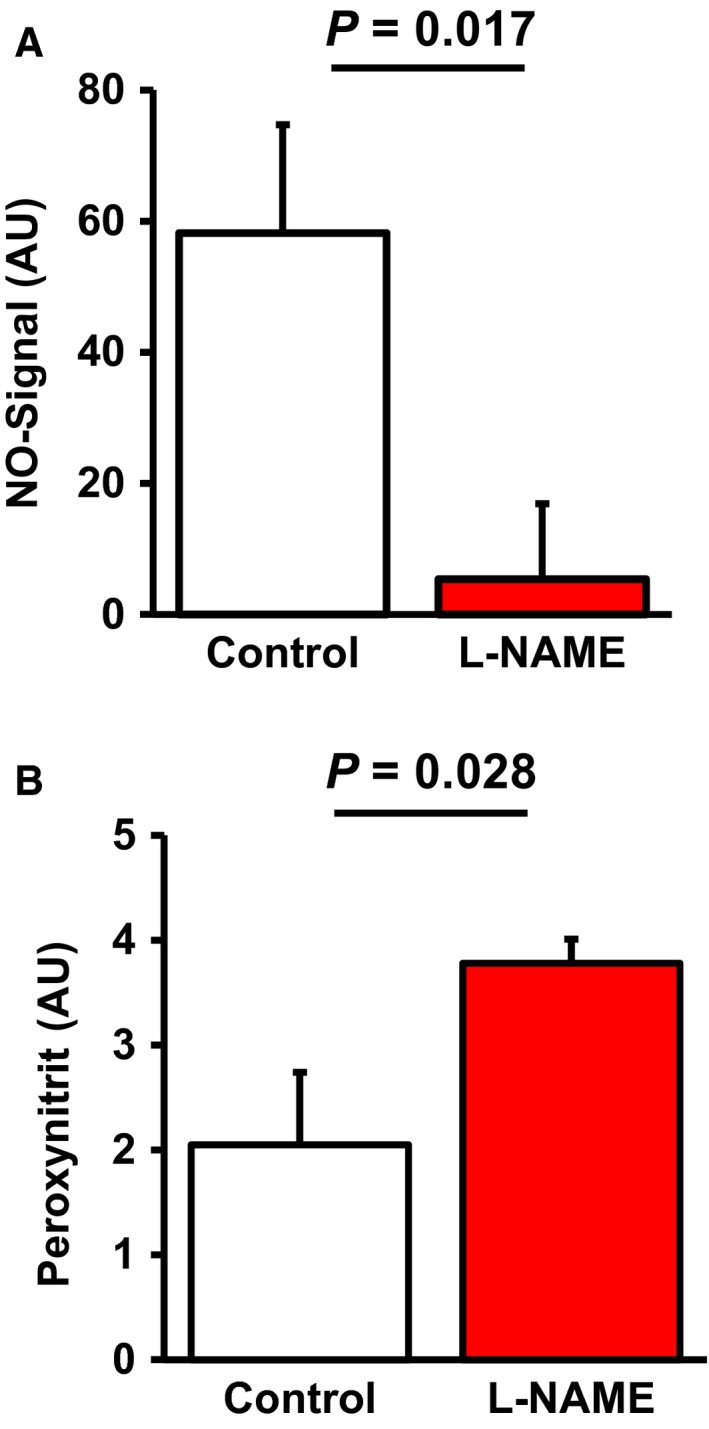
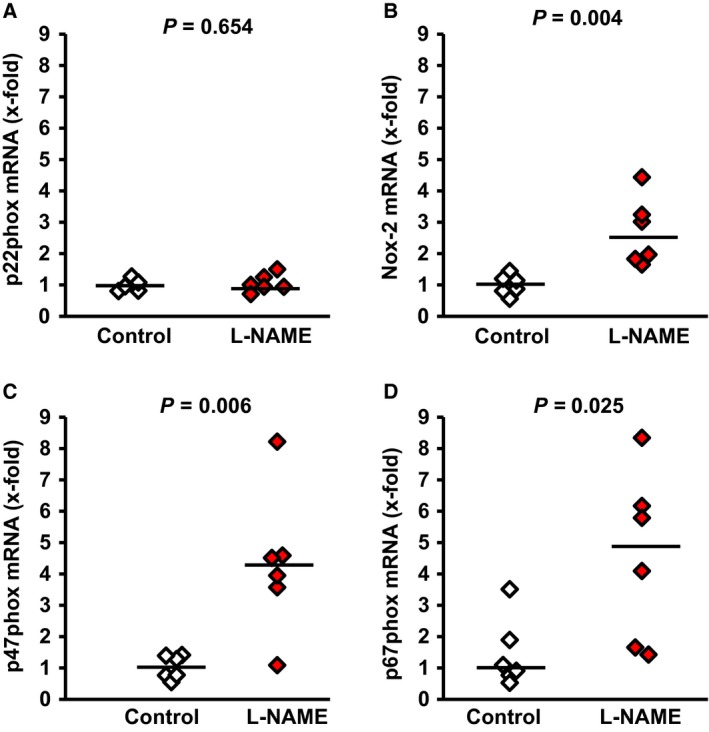
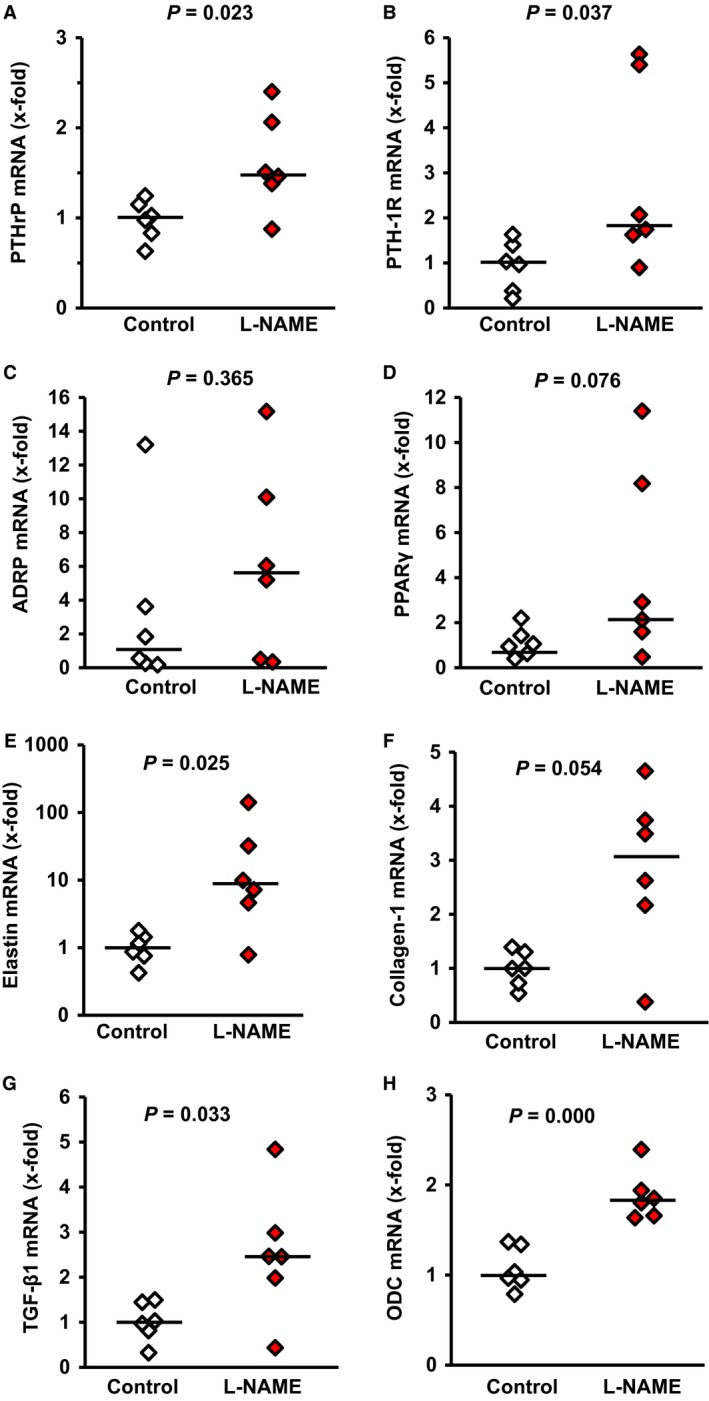
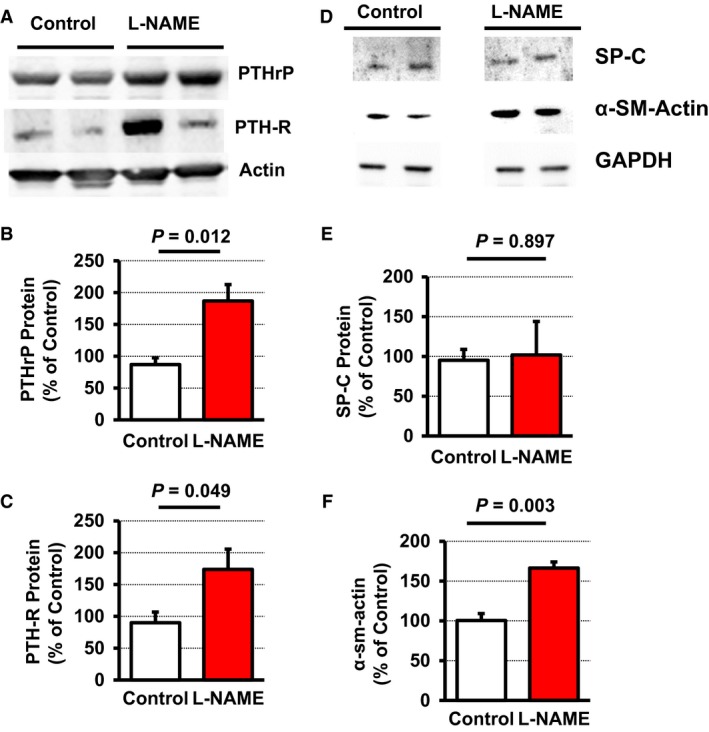
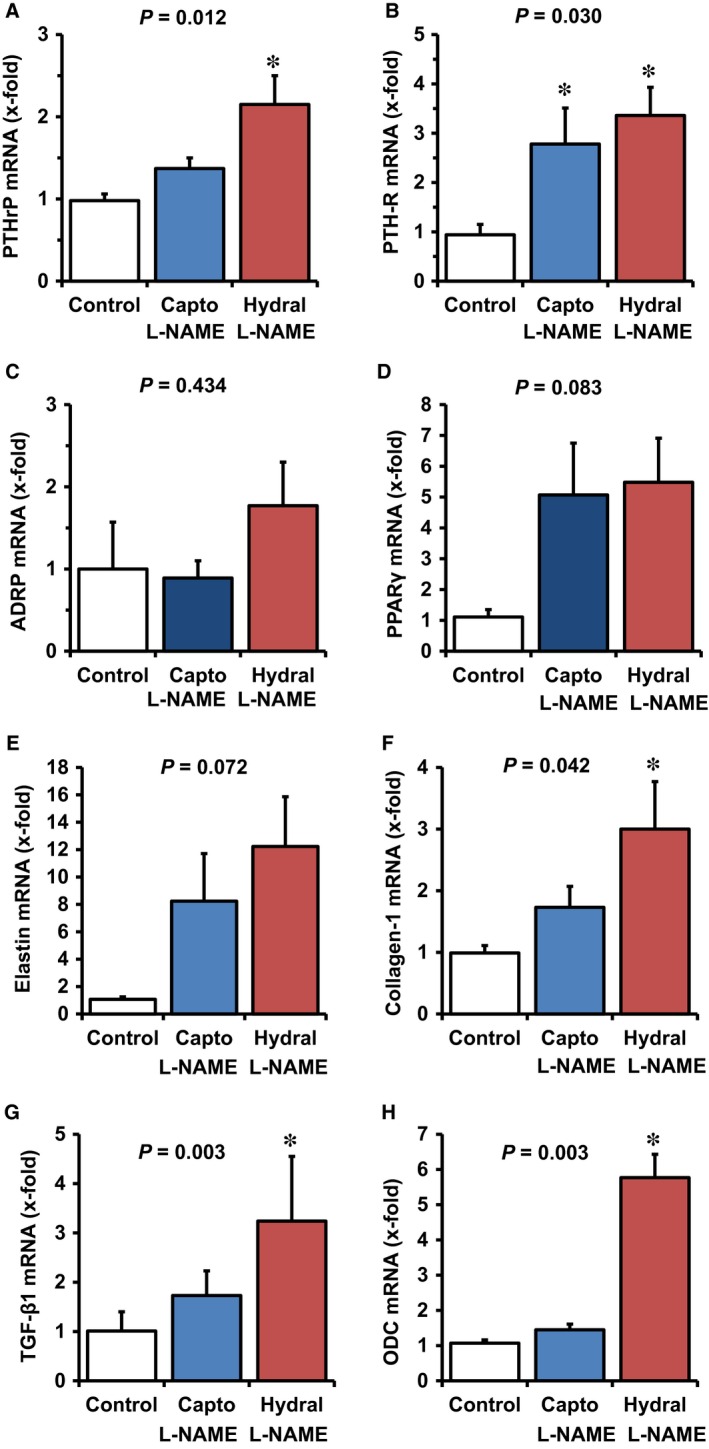
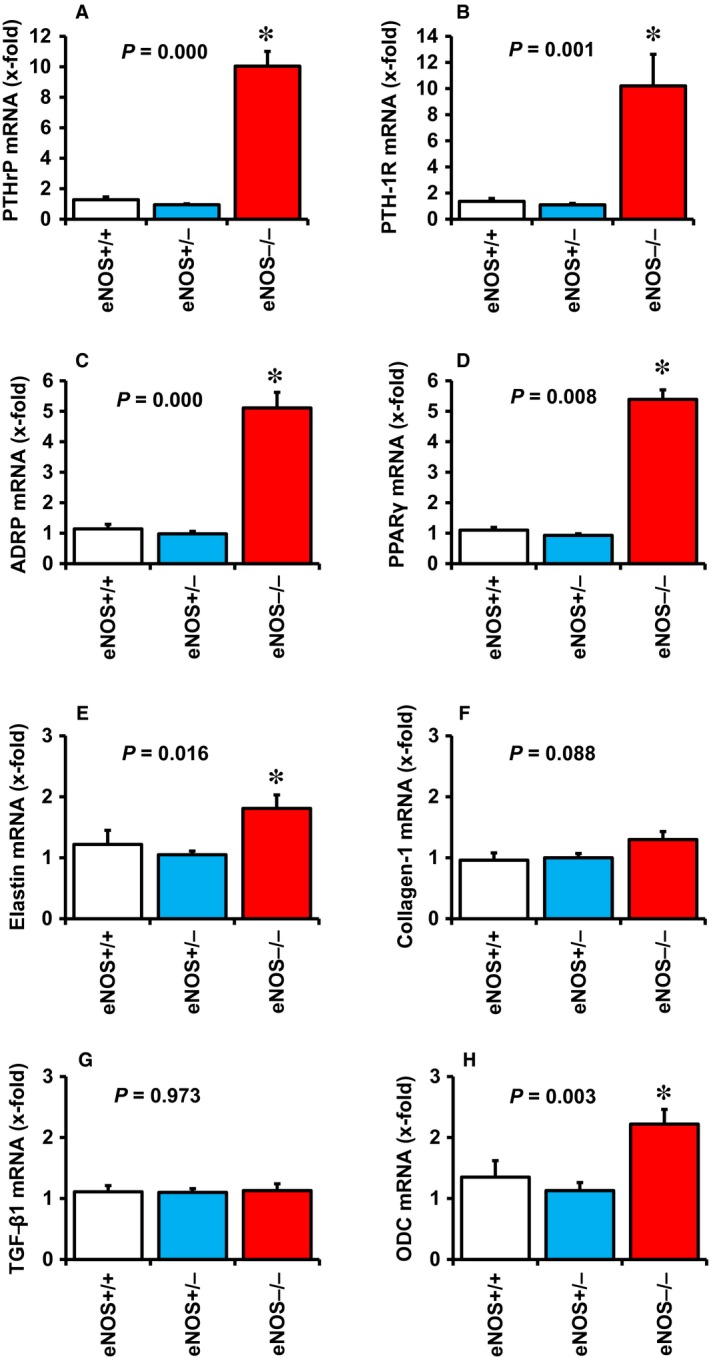
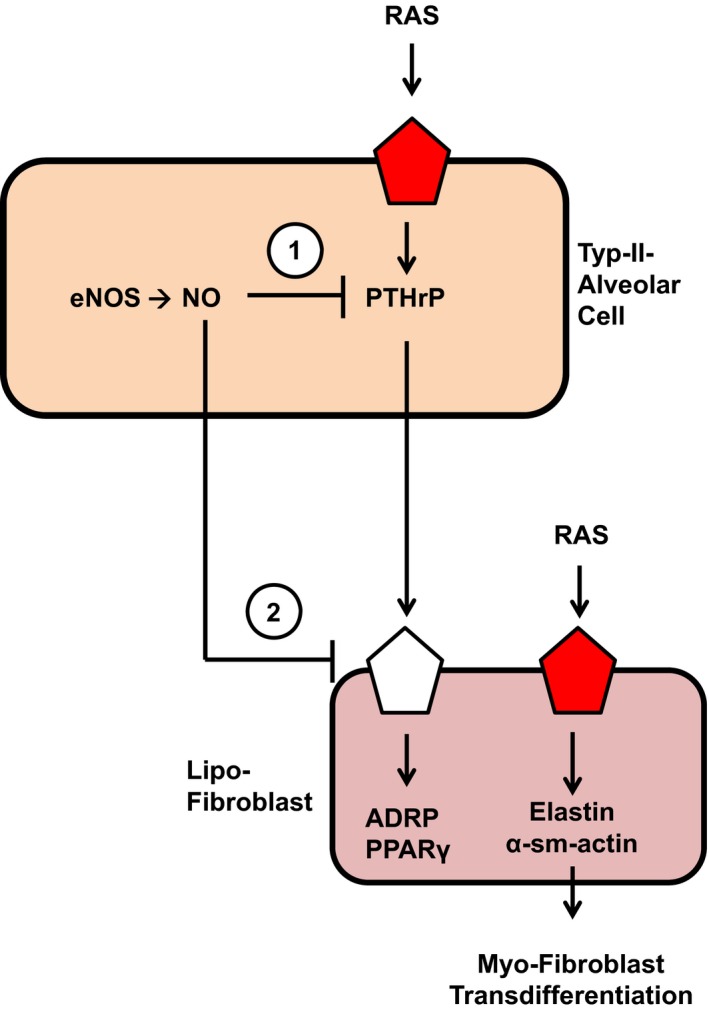
Nitric oxide (NO) deficiency is common in pulmonary diseases, but its effect on pulmonary remodelling is still controversial. As pulmonary parathyroid hormone-related protein (PTHrP) expression is a key regulator of pulmonary fibrosis and development, the effect of chronic NO deficiency on the pulmonary PTHrP system and its relationship with oxidative stress was addressed. NO bioavailability in adult rats was reduced by systemic administration of L-NAME via tap water. To clarify the role of NO synthase (NOS)-3-derived NO on pulmonary expression of PTHrP, NOS-3-deficient mice were used. Captopril and hydralazine were used to reduce the hypertensive effect of L-NAME treatment and to interfere with the pulmonary renin-angiotensin system (RAS). Quantitative RT-PCR and immunoblot techniques were used to characterize the expression of key proteins involved in pulmonary remodelling. L-NAME administration significantly reduced pulmonary NO concentration and caused oxidative stress as characterized by increased pulmonary nitrite concentration and increased expression of NOX2, p47phox and p67phox. Furthermore, L-NAME induced the pulmonary expression of PTHrP and of its corresponding receptor, PTH-1R. Expression of PTHrP and PTH-1R correlated with the expression of two well-established PTHrP downstream targets, ADRP and PPARγ, suggesting an activation of the pulmonary PTHrP system by NO deficiency. Captopril reduced the expression of PTHrP, profibrotic markers and ornithine decarboxylase, but neither that of PTH-1R nor that of ADRP and PPARγ. All transcriptional changes were confirmed in NOS-3-deficient mice. In conclusion, NOS-3-derived NO suppresses pulmonary PTHrP and PTH-1R expression, thereby modifying pulmonary remodelling.
Keywords: ADRP; PPARγ; elastin; lung fibrosis.
© 2016 The Authors. Journal of Cellular and Molecular Medicine published by John Wiley & Sons Ltd and Foundation for Cellular and Molecular Medicine.
Figures
References
-
- McDowell SA, Gammon K, Zingarelli B, et al Inhibition of nitric oxide restores surfactant gene expression following nickel‐induced acute lung injury. Am J Respir Cell Mol Biol. 2003; 28: 188–98. - PubMed
-
- Barnes PJ. Nitric oxide and airway disease. Ann Med. 1995; 27: 389–93. - PubMed
-
- Gaston B, Drazen JM, Loscalzo J, et al The biology of nitrogen oxides in the airways. Am J Respir Crit Care Med. 1994; 149: 538–51. - PubMed
-
- Amabile N, Heiss C, Real WM, et al Circulating endothelial microparticles levels predict hemodynamic severity of pulmonary hypertension. Am J Respir Crit Care Med. 1994; 149: 423–9. - PubMed
Publication types
MeSH terms
Substances
LinkOut - more resources
Full Text Sources
Other Literature Sources
Research Materials
Miscellaneous
