


Incidence of cardiac implantable electronic device infections and migrations in Japan: Results from a 129 institute survey
- PMID: 27588154
- PMCID: PMC4996866
- DOI: 10.1016/j.joa.2015.09.006
Incidence of cardiac implantable electronic device infections and migrations in Japan: Results from a 129 institute survey
Abstract
Background: We conducted a survey of the infection burden associated with the implantation of cardiac implantable electronic devices (CIEDs) in Japan.
Methods: The institutes were selected using annual device implantation data provided by Medtronic Japan Co., Ltd. The data sampling period was from January 1 to December 31, 2013. Institutes were classified into Group P, at which only pacemakers were implanted, and Group A, at which other CIEDs were implanted. Group P was further classified into three sub-groups by implantation number. The infection rate was compared between groups using logistic regression analysis.
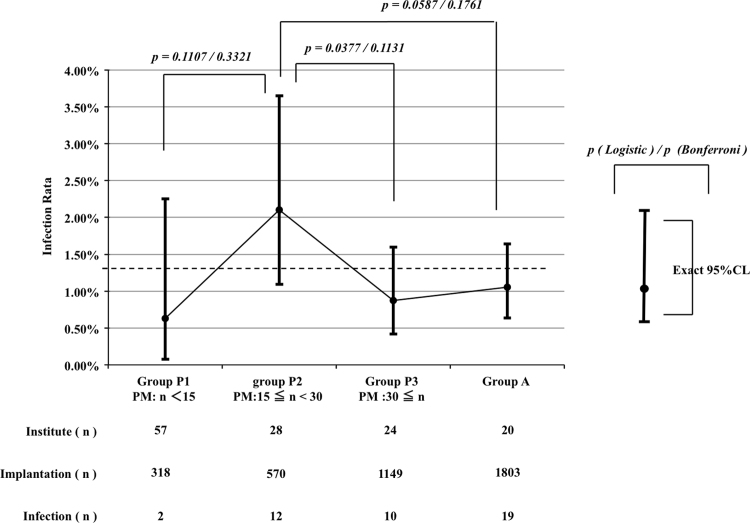
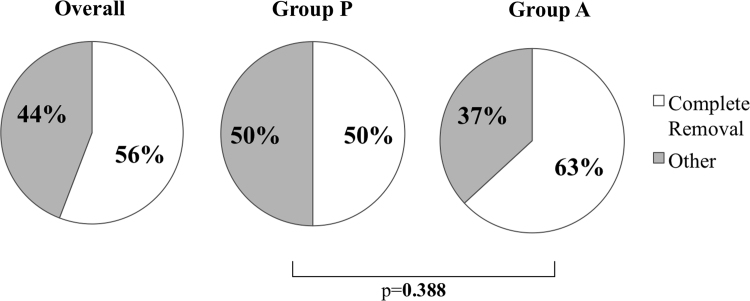
Results: A total of 129 of 138 institutes responded. The annual infection rate was 1.12% for overall CIEDs. The institute at which 15-29 pacemakers were implanted had a high infection rate (2.11%). No statistically significant difference was observed (adjusted p=0.1131). The overall migration rate was 0.50%. Complete removal of the CIED system was performed in 55.8% of patients who underwent implantation.
Conclusions: This survey was the first on CIED infection and migration in Japan. The CIED infection rate (1.12%) was similar to that previously reported. A high infection rate (2.77%) was observed in the infection experienced institutes.
Keywords: Cardiac implantable electronic device; Implantable cardioverter defibrillator; Infection; Lead extraction; Migration.
Figures
References
-
- Kurtz S.M., Ochoa J.A., Lau E. Implantation trends and patient profiles for pacemakers and implantable cardioverter defibrillators in the United States: 1993–2006. Pacing Clin Electrophysiol. 2010;33:705–711. - PubMed
-
- Mond H.G., Irwin M., Ector H. The world survey of cardiac pacing and cardioverter defibrillators: calendar year 2005: an International Cardiac Pacing and Electrophysiology Society (ICPES) project. Pacing Clin Electrophysiol. 2008;31:1202–1212. - PubMed
-
- Greenspon A.J., Patel J.D., Lau E. 16-year trends in the infection burden for pacemakers and implantable cardioverter-defibrillators in the United States: 1993 to 2008. J Am Coll Cardiol. 2011;58:1001–1006. - PubMed
-
- Baddour L.M., Epstein A.E., Erickson C.C. American Heart Association Rheumatic Fever, Endocarditis, and Kawasaki Disease Committee; Council on Cardiovascular Disease in Young; Council on Cardiovascular Surgery and Anesthesia; Council on Cardiovascular Nursing; Council on Clinical Cardiology; Interdisciplinary Council on Quality of Care; American. Update on cardiovascular implantable electronic device infections and their management: a scientific statement from the American Heart Association. Circulation. 2010;121:458–477. - PubMed
LinkOut - more resources
Full Text Sources
Other Literature Sources
