


Characterization of Lavandula spp. Honey Using Multivariate Techniques
- PMID: 27588420
- PMCID: PMC5010229
- DOI: 10.1371/journal.pone.0162206
Characterization of Lavandula spp. Honey Using Multivariate Techniques
Abstract
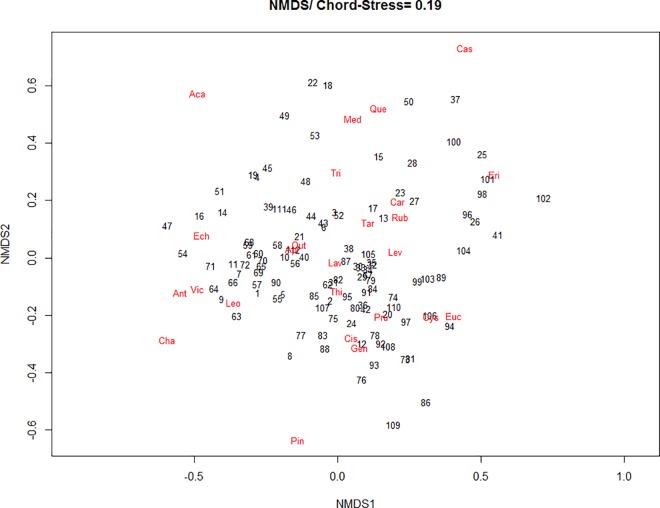
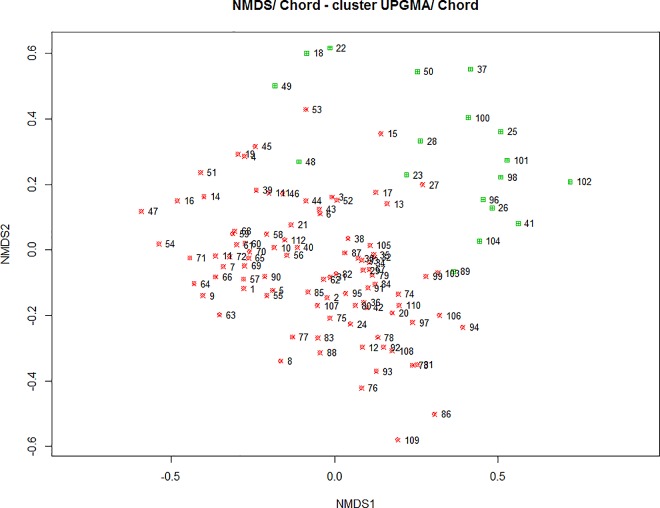
Traditionally, melissopalynological and physicochemical analyses have been the most used to determine the botanical origin of honey. However, when performed individually, these analyses may provide less unambiguous results, making it difficult to discriminate between mono and multifloral honeys. In this context, with the aim of better characterizing this beehive product, a selection of 112 Lavandula spp. monofloral honey samples from several regions were evaluated by association of multivariate statistical techniques with physicochemical, melissopalynological and phenolic compounds analysis. All honey samples fulfilled the quality standards recommended by international legislation, except regarding sucrose content and diastase activity. The content of sucrose and the percentage of Lavandula spp. pollen have a strong positive association. In fact, it was found that higher amounts of sucrose in honey are related with highest percentage of pollen of Lavandula spp.. The samples were very similar for most of the physicochemical parameters, except for proline, flavonoids and phenols (bioactive factors). Concerning the pollen spectrum, the variation of Lavandula spp. pollen percentage in honey had little contribution to the formation of samples groups. The formation of two groups regarding the physicochemical parameters suggests that the presence of other pollen types in small percentages influences the factor termed as "bioactive", which has been linked to diverse beneficial health effects.
Conflict of interest statement
The authors have declared that no competing interests exist.
Figures
References
-
- Persano Oddo L, Piro R. Main European unifloral honeys: descriptive sheets. Apidologie. 2004; 35: 38–81. 10.1051/apido:2004049 - DOI
-
- Castro-Vázquez L, Díaz-Maroto MC, Gonzalez-Viñas MA, Pérez-Coello MS. Differentiation of monofloral citrus, rosemary, eucalyptus, lavender, thyme and heather honeys based on volatile composition and sensory descriptive analysis. Food Chem. 2009; 112: 1022–1030. 10.1016/j.foodchem.2008.06.036 - DOI
-
- Castro-Vázquez L, Leon-Ruiz V, Alañon ME, Pérez-Coello MS. Floral origin markers for authenticating Lavandin honey (Lavandula angustifolia x latifolia). Discrimination from Lavender honey (Lavandula latifolia). Food Control. 2014; 37: 362–370. 10.1016/j.foodcont.2013.09.003 - DOI
MeSH terms
Substances
LinkOut - more resources
Full Text Sources
Other Literature Sources
Miscellaneous
