


HPV strain distribution in patients with genital warts in a female population sample
- PMID: 27602111
- PMCID: PMC4998207
- DOI: 10.3892/ol.2016.4903
HPV strain distribution in patients with genital warts in a female population sample
Abstract
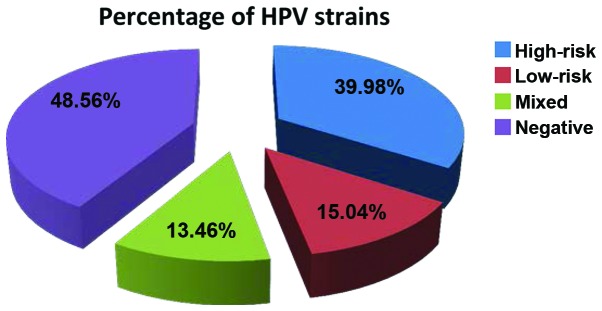
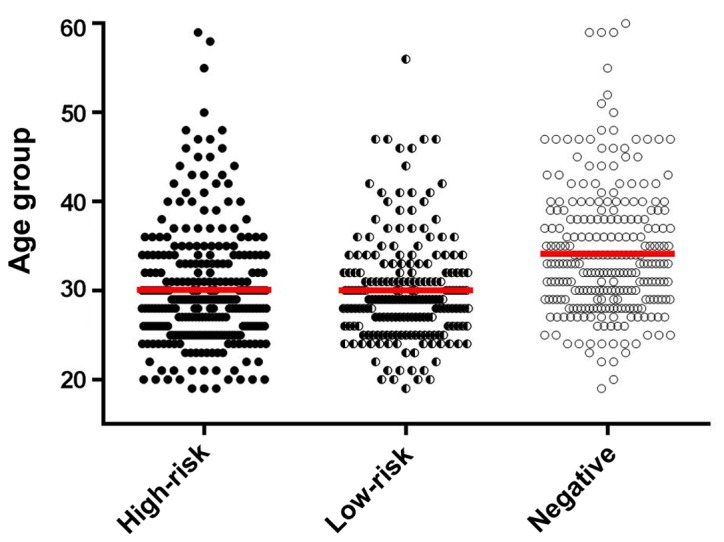
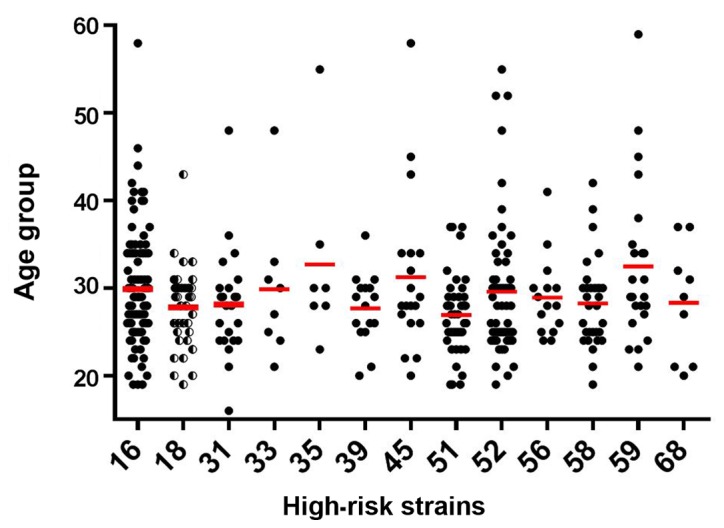
The incidence of human papillomavirus (HPV) in the human cancer domain is still a subject of intensive study. In this study, we examined cervical swab samples from 713 females with genital warts, and tested the samples for high- and low-risk genital HPV. HPV genotyping was assessed using a Genotyping test that detects HPV by the amplification of target DNA using polymerase chain reaction and nucleic acid hybridization. In total, we detected 37 anogenital HPV DNA genotypes [6, 11, 16, 18, 26, 31, 33, 35, 39, 40, 42, 45, 51, 52, 53, 54, 55, 56, 58, 59, 61, 62, 64, 66, 67, 68, 69, 70, 71, 72, 73 (MM9), 81, 82 (MM4), 83 (MM7), 84 (MM8), IS39 and CP6108] and investigated the incidence of these genotypes in the patients with genital warts. We found differences in the distribution of high-/low-risk strains and the incidence of high-risk strains was found to occur mainly in females under 35 years of age. The data from our study suggest that a detailed oral, rectal and genital identification of high-risk strains should be performed to visualize the entire pattern of possible triggers of carcinogenesis.
Keywords: HPV genotyping; carcinogenesis; cervical cancer; genital warts.
Figures
References
-
- Škamperle M, Kocjan BJ, Maver PJ, Seme K, Poljak M. Human papillomavirus (HPV) prevalence and HPV type distribution in cervical, vulvar, and anal cancers in central and eastern Europe. Acta Dermatovenerol Alp Pannonica Adriat. 2013;22:1–5. - PubMed
-
- Raţiu MP, Purcărea I, Popa F, Purcărea VL, Purcărea TV, Lupuleasa D, Boda D. Escaping the economic turn down through performing employees, creative leaders and growth driver capabilities in the Romanian pharmaceutical industry. Farmacia. 2011;59:119–130.
LinkOut - more resources
Full Text Sources
Other Literature Sources