. 2016 Dec 15;594(24):7361-7379.
doi: 10.1113/JP272487. Epub 2016 Oct 23.

Denervation drives mitochondrial dysfunction in skeletal muscle of octogenarians

Affiliations

Denervation drives mitochondrial dysfunction in skeletal muscle of octogenarians

Sally Spendiff et al. J Physiol. .

Abstract

Key points: Mitochondria are frequently implicated in the ageing of skeletal muscle, although the role of denervation in modulating mitochondrial function in ageing muscle is unknown. We show that increased sensitivity to apoptosis initiation occurs prior to evidence of persistent denervation and is thus a primary mitochondrial defect in ageing muscle worthy of therapeutic targeting. However, at more advanced age, mitochondrial function changes are markedly impacted by persistent sporadic myofibre denervation, suggesting the mitochondrion may be a less viable therapeutic target.

Abstract: Experimental denervation modulates mitochondrial function, where changes in both reactive oxygen species (ROS) and sensitivity to permeability transition are implicated in the resultant muscle atrophy. Notably, although denervation occurs sporadically in ageing muscle, its impact on ageing muscle mitochondria is unknown. Because this information has important therapeutic implications concerning targeting the mitochondrion in ageing muscle, we examined mitochondrial function in skeletal muscle from four groups of humans, comprising two active (mean ± SD age: 23.7 ± 2.7 years and 71.2 ± 4.9 years) and two inactive groups (64.8 ± 3.1 years and 82.5 ± 4.8 years), and compared this with a murine model of sporadic denervation. We tested the hypothesis that, although some alterations of mitochondrial function in aged muscle are attributable to a primary organelle defect, mitochondrial dysfunction would be impacted by persistent denervation in advanced age. Both ageing in humans and sporadic denervation in mice increased mitochondrial sensitivity to permeability transition (humans, P = 0.004; mice, P = 0.01). To determine the contribution of sporadic denervation to mitochondrial function, we pharmacologically inhibited the denervation-induced ROS response. This reduced ROS emission by 60% (P = 0.02) in sporadically denervated mouse muscle, which is similar to that seen in humans older than 75 years (-66%, P = 0.02) but not those younger than 75 years. We conclude that an increased sensitivity to permeability transition is a primary mitochondrial defect in ageing muscle. However, at more advanced age, when muscle atrophy becomes more clinically severe, mitochondrial function changes are markedly impacted by persistent sporadic denervation, making the mitochondrion a less viable therapeutic target.

Keywords: aging; denervation; mitochondria; muscle atrophy; neuromuscular junction; sarcopenia.


Figures

Figure 1
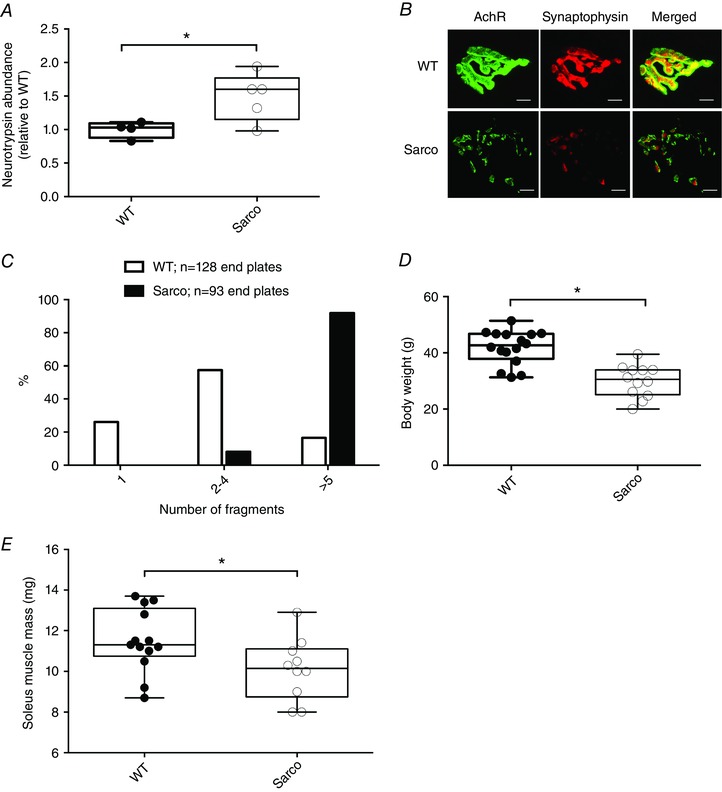
Figure 1. Neurotrypsin overexpression and associated changes in Sarco mice
A, quantification of neurotrypsin (relative to WT) in Sarco mice and WT mice (unpaired t test, P = 0.04). B, representative images of neuromuscular junctions from WT and Sarco mice and (C) quantification of NMJ fragmentation in Sarco mice and WT mice. Changes in (D) body mass (exact Wilcoxon rank sum, P < 0.0001; WT, n = 16, and Sarco, n = 12) and (E) soleus muscle mass in Sarco mice (n = 13) compared to WT mice (n = 10) (exact Wilcoxon rank sum, P = 0.03). Scale bars = 10 μm. [Colour figure can be viewed at wileyonlinelibrary.com]
Figure 2
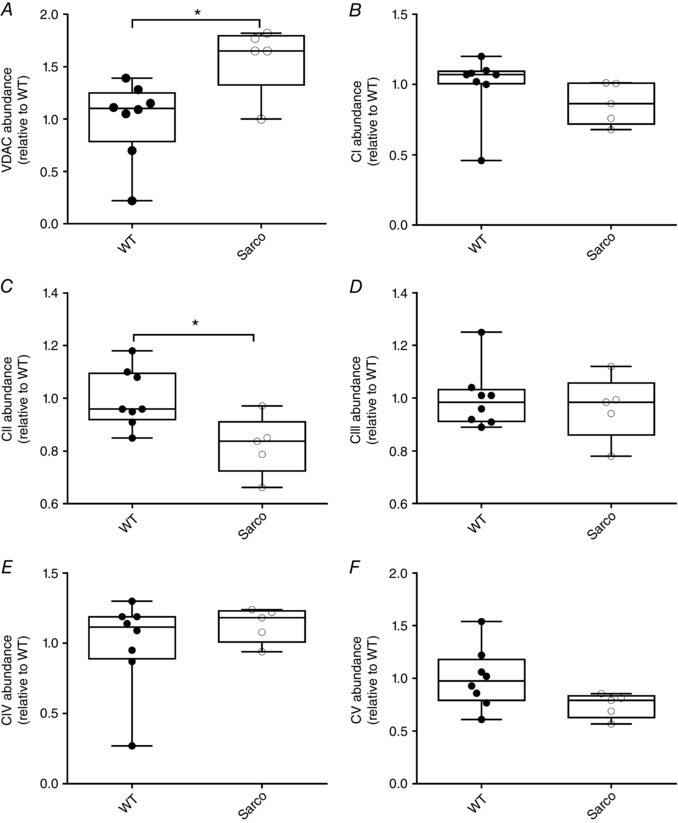
Figure 2. Mitochondrial content changes in mouse soleus muscle
A, VDAC content was increased in Sarco mice (exact Wilcoxon rank sum, P = 0.04). B, conversely, complex I content was not altered in in Saco mice compared to WT mice. C, although there was an increase in complex II content (exact Wilcoxon rank sum, P = 0.04), with none of the other subunits showing changes (D), (E) and (F) (in all experiments, WT, n = 8, Sarco mice, n = 5, unless stated otherwise).
Figure 3
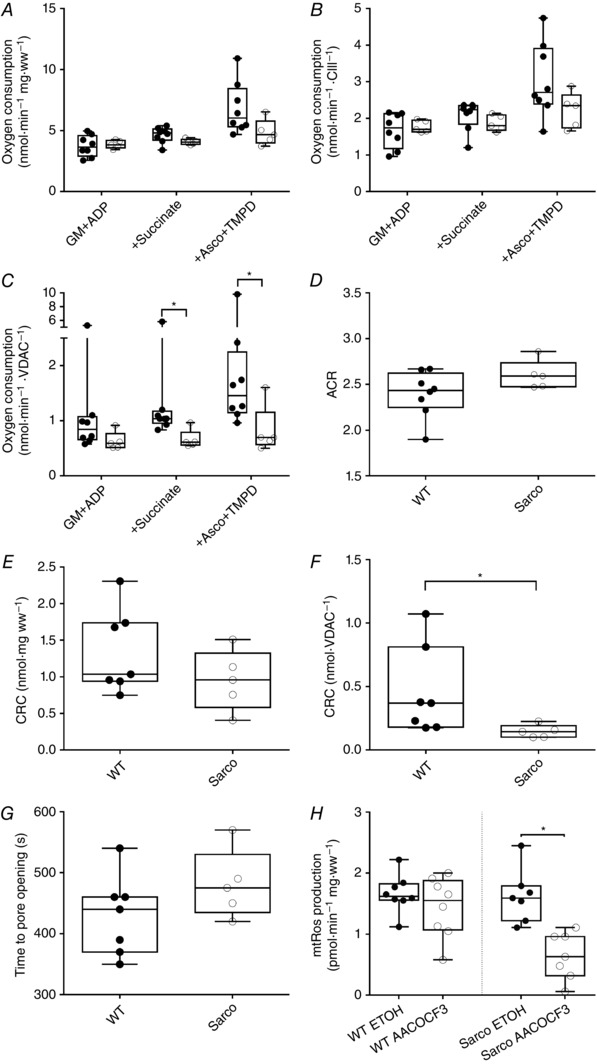
Figure 3. Mitochondrial function changes in mouse soleus muscle
Mitochondrial oxygen consumption in Sarco mice was not altered before (A) or after (B) normalization to CIII (ANOVA mixed model with adjusted post hoc comparisons). C, after normalization with VDAC, mitochondrial respiration was significantly decreased after the addition of succ and ascorbate + TMPD in Sarco mice (ANOVA mixed model with adjusted post hoc comparisons; following log transformation without significant outlier: P = 0.001 for succ and P = 0.02 for ascorbate + TMPD; with outlier: P = 0.045 for succ and P = 0.04 for ascorbate + TMPD). D, ACR was determined by taking the quotient of respiration with G+M and ADP. There was no change in the ACR between WT and Sarco mice (exact Wilcoxon rank sum). E, mitochondrial CRC was measured in response to a calcium challenge in permeabilized myofibres. Although there was no difference in CRC before normalization, the CRC (F) was decreased (exact Wilcoxon rank sum, P = 0.01) without altering the time taken to mPTP opening (G) in Sarco mice (WT, n = 7; Sarco, n = 5). H, application of the cPLA2 inhibitor, AACOCF3, reduced the ROS signal from Sarco mice, suggesting that sporadic denervation contributes to this signal, (WT, n = 8; Sarco, n = 7; P = 0.02; Wilcoxon signed rank) (in all experiments, WT, n = 8, Sarco mice, n = 5 unless stated otherwise).
Figure 4
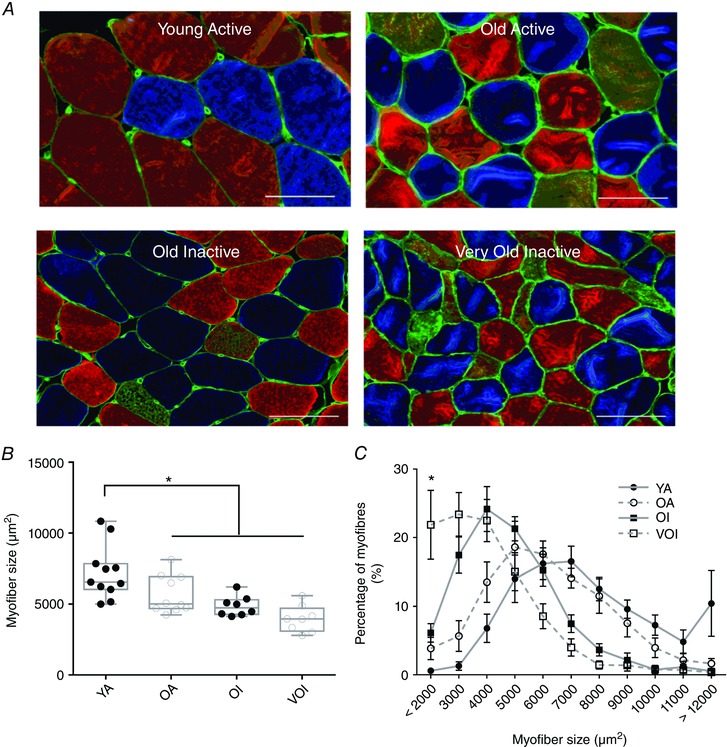
Figure 4. Myofibre morphology in human muscle
A, transverse muscle sections from YA, OA, OI and VOI men were labelled to visualize the basal lamina and fibre type. Systematic sampling was used to trace a minimum of 200 fibres to give indications of size. B, ANOVA with adjusted post hoc comparisons revealed a significant effect of group status on fibre size, with the YA group having a significantly larger fibre size than the older participants (P < 0.0001). C, fibre size distribution shows a greater accumulation of really small fibres in the VOI group (YA, n = 11; OA, n = 10; OI, n = 8; VOI, n = 8). Scale bars = 100 μm. [Colour figure can be viewed at wileyonlinelibrary.com]
Figure 5
Figure 5. Mitochondrial content changes in human vastus lateralis muscle
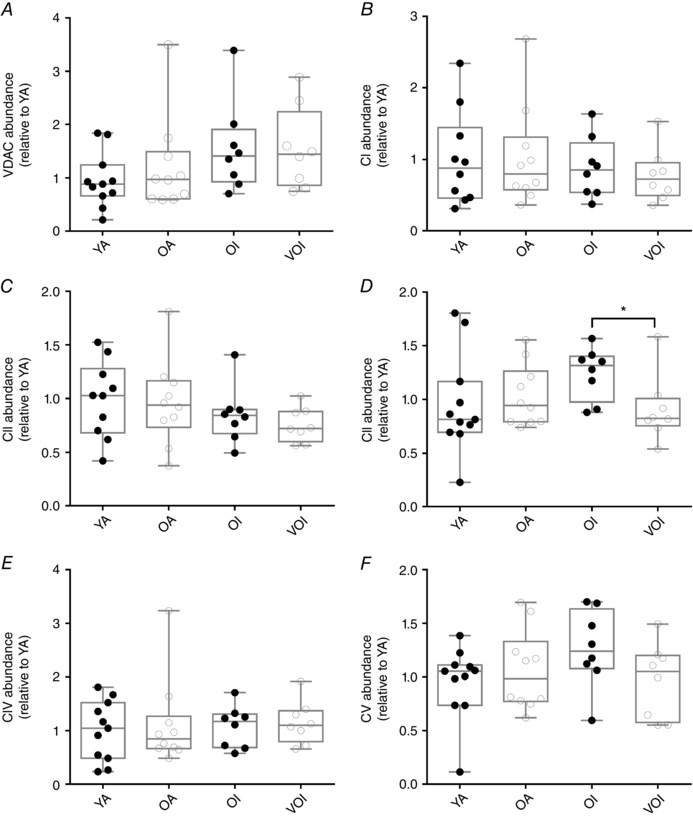
A, VDAC content was similar between groups (YA, n = 11; OA, n = 10; OI, n = 8; VOI, n = 8; exact Wilcoxon rank sum). Although there were no differences in complexes I (B) and II (C), complex III Core II subunit content was lower in VOI compared to OI participants (D). Complexes IV (E) and V (F) also showed no changes (YA, n = 11; OA, n = 10; OI, n = 8; VOI, n = 8; exact Wilcoxon rank sum, P = 0.04).
Figure 6
Figure 6. Mitochondrial function in human vastus lateralis muscle
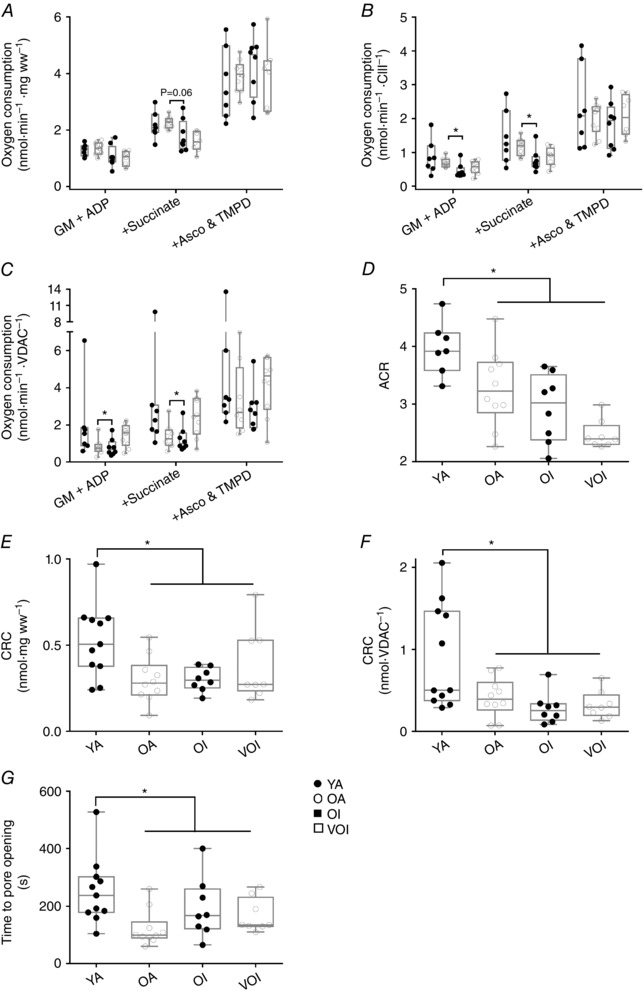
A, oxygen consumption was slightly lower in OI when compared to OA, although this was not significant. B, following normalization to CIII, there was no reduction in oxygen consumption between young and old participants (YA, n = 7; OA, n = 10; OI, n = 8; VOI, n = 8, ANOVA mixed model with adjusted post hoc comparisons following log transformation), although there was a significant reduction between OA and OI participants after the addition of both G+M and succ (P = 0.0074 for both additions). C, following normalization with VDAC, there was still a moderate reduction in respiration in OI participants (ANOVA mixed model with adjusted post hoc comparisons; following log transformation, P = 0.05). D, ACR was determined by taking the quotient of respiration with G+M and ADP. There was a significant decrease in the ACR between young and old groups (YA, n = 7; OA, n = 10; OI, n = 8; VOI, n = 8; exact Wilcoxon rank sum, P = 0.0003). E, in response to a calcium challenge, the calcium retention capacity was significantly lower in old compared to young subjects. F, this reduction persisted following normalization for mitochondrial content. In addition, the time to mPTP opening (G) was significantly lower in older subjects (YA, n = 11; OA, n = 10; OI, n = 8; VOI, n = 8; exact Wilcoxon rank sum, P = 0.004 and P = 0.01 respectively).
Figure 7
Figure 7. Evidence for denervation and its modulation of mitochondrial function in very old human subjects
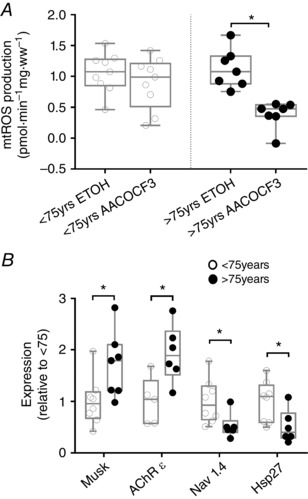
A, application of the cPLA2 inhibitor, AACOCF3, did not reduce the ROS signal from subjects younger than 75 years, suggesting that denervation does not contribute to this ROS signal. However, in subjects older than 75 years, AACOCF3 significantly reduced the ROS signal [<75 years, n = 9 (two assays unsuccessful), >75 years, n = 7 (one assay unsuccessful), P = 0.02; Wilcoxon signed rank]. B, analysis of key transcripts that are altered in response to denervation (exact Wilcoxon rank sum; Musk <75 years, n = 8 (one outlier removed and two samples with insufficient material), >75 years, n = 7 (one sample with insufficient material), P = 0.03; Hsp27 <75 years, n = 8 (three samples with insufficient material), >75 years, n = 6 (two samples with insufficient material), P = 0.02; AChR ε <75 years, n = 5 (one outlier removed, five samples insufficient material), >75 years, n = 6 (two samples with insufficient material), P = 0.02; Nav 1.4 <75 years, n = 8 (three samples with insufficient material), >75 years, n = 6 (two samples with insufficient material)], P = 0.01.

References

    1. Adams L, Carlson BM, Henderson L & Goldman D (1995). Adaptation of nicotinic acetylcholine receptor, myogenin, and MRF4 gene expression to long‐term muscle denervation. J Cell Biol 131, 1341–1349. - PMC - PubMed
    1. Ansved T & Larsson L (1990). Effects of denervation on enzyme‐histochemical and morphometrical properties of the rat soleus muscle in relation to age. Acta Physiol Scand 139, 297–304. - PubMed
    1. Barde MP & Barde PJ (2012). What to use to express the variability of data: standard deviation or standard error of mean? Perspect Clin Res 3, 113–116. - PMC - PubMed
    1. Bergstrom J ( 1975). Percutaneous needle biopsy of skeletal muscle in physiological and clinical research. Scand J Clin Lab Invest 35, 609–616. - PubMed
    1. Bhattacharya A, Muller FL, Liu Y, Sabia M, Liang H, Song W, Jang YC, Ran Q & Van Remmen H (2009). Denervation induces cytosolic phospholipase A2‐mediated fatty acid hydroperoxide generation by muscle mitochondria. J Biol Chem 284, 46–55. - PMC - PubMed

Publication types

Substances

LinkOut - more resources