


The Geography of Sexual Orientation: Structural Stigma and Sexual Attraction, Behavior, and Identity Among Men Who Have Sex with Men Across 38 European Countries
- PMID: 27620320
- PMCID: PMC5346459
- DOI: 10.1007/s10508-016-0819-y
The Geography of Sexual Orientation: Structural Stigma and Sexual Attraction, Behavior, and Identity Among Men Who Have Sex with Men Across 38 European Countries
Abstract
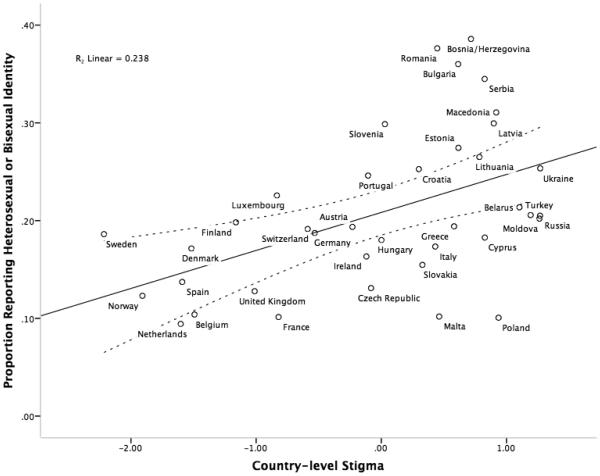
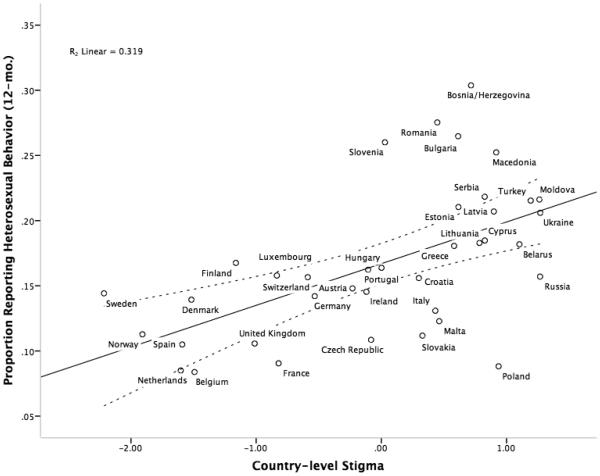
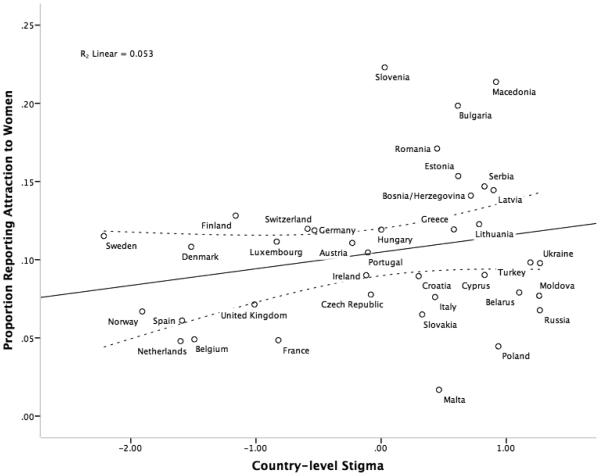
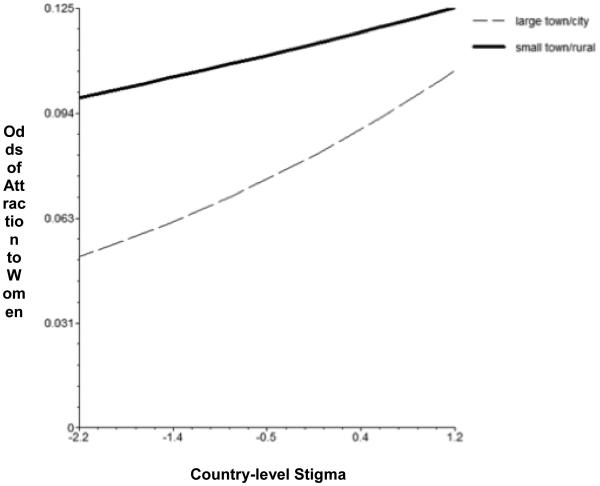
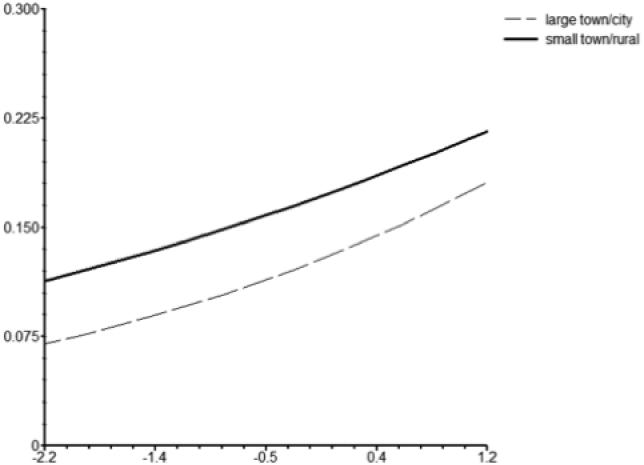
While the prevalence of sexual identities and behaviors of men who have sex with men (MSM) varies across countries, no study has examined country-level structural stigma toward sexual minorities as a correlate of this variation. Drawing on emerging support for the context-dependent nature of MSM's open sexual self-identification cross-nationally, we examined country-level structural stigma as a key correlate of the geographic variation in MSM's sexual attraction, behavior, and identity, and concordance across these factors. Data come from the European MSM Internet Survey, a multi-national dataset containing a multi-component assessment of sexual orientation administered across 38 European countries (N = 174,209). Country-level stigma was assessed using a combination of national laws and policies affecting sexual minorities and a measure of attitudes toward sexual minorities held by the citizens of each country. Results demonstrate that in more stigmatizing countries, MSM were significantly more likely to report bisexual/heterosexual attractions, behaviors, and identities, and significantly less likely to report concordance across these factors, than in less stigmatizing countries. Settlement size moderated associations between country-level structural stigma and odds of bisexual/heterosexual attraction and behavior, such that MSM living in sparsely populated locales within high-structural stigma countries were the most likely to report bisexual or heterosexual behaviors and attractions. While previous research has demonstrated associations between structural stigma and adverse physical and mental health outcomes among sexual minorities, this study was the first to show that structural stigma was also a key correlate not only of sexual orientation identification, but also of MSM's sexual behavior and even attraction. Findings have implications for understanding the ontology of MSM's sexuality and suggest that a comprehensive picture of MSM's sexuality will come from attending to the local contexts surrounding this important segment of the global population.
Keywords: Male bisexuality; Men who have sex with men; Minority stress; Sexual orientation; Stigma.
Figures
References
-
- Amirkhanian YA, Kelly JA, Issayev DD. AIDS knowledge, attitudes, behaviour in Russia: Results of a population-based, random-digit telephone survey in St Petersburg. International Journal of STD & AIDS. 2001;12(1):50–57. - PubMed
-
- Andersen R, Fetner T. Cohort differences in tolerance of homosexuality attitudinal change in Canada and the United States, 1981–2000. Public Opinion Quarterly. 2008;72(2):311–330.
-
- Baumeister RF. Gender and erotic plasticity: Sociocultural influences on the sex drive. Sexual and Relationship Therapy. 2004;19(2):133–139.
-
- Baumeister RF, Twenge JM, Nuss CK. Effects of social exclusion on cognitive processes: anticipated aloneness reduces intelligent thought. Journal of Personality and Social Psychology. 2002;83(4):817. - PubMed
-
- Baumgartner SE, Sumter SR, Peter J, Valkenburg PM, Livingstone S. Does country context matter? Investigating the predictors of teen sexting across Europe. Computers in Human Behavior. 2014;34:157–164.
MeSH terms
Grants and funding
LinkOut - more resources
Full Text Sources
Other Literature Sources
