Review
. 2016 Dec;27(12):831-843.
doi: 10.1016/j.tem.2016.08.003. Epub 2016 Sep 10.

Linking the Microbiota, Chronic Disease, and the Immune System

Affiliations
Review

Linking the Microbiota, Chronic Disease, and the Immune System

Timothy W Hand et al. Trends Endocrinol Metab. 2016 Dec.

Abstract

Chronic inflammatory diseases (CIDs) are the most important causes of mortality in the world today and are on the rise. We now know that immune-driven inflammation is critical in the etiology of these diseases, though the environmental triggers and cellular mechanisms that lead to their development are still mysterious. Many CIDs are associated with significant shifts in the microbiota toward inflammatory configurations, which can affect the host both by inducing local and systemic inflammation and by alterations in microbiota-derived metabolites. This review discusses recent findings suggesting that shifts in the microbiota may contribute to chronic disease via effects on the immune system.

Keywords: dysbiosis; inflammasome; metabolic syndrome; microbiota.


Figures

Figure 1
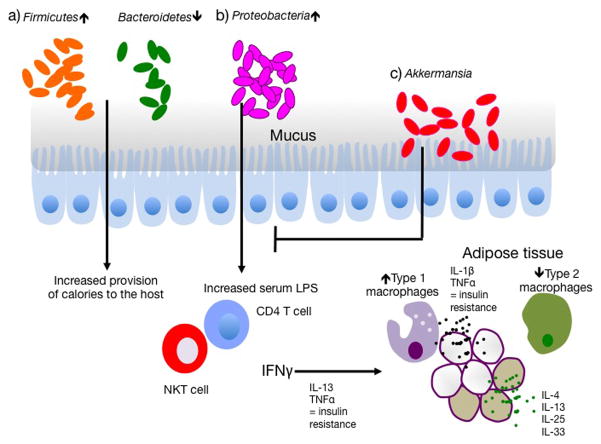
Figure 1. The microbiota affects metabolic syndrome via the immune system
a) Obesity is associated with an increase in Firmicutes and a decrease in Bacteroidetes. Firmicutes provide an increased amount of calories to the host by increased harvest of energy from the diet. b) Outgrowth of Proteobacteria is associated with metabolic syndrome and has been shown to increase the frequency of IFNγ-producing T cells in the host, which in turn is associated with increased concentrations of serum LPS. Serum LPS and IFNγ may then drive the development of pro-inflammatory M1 macrophages in the adipose tissue. M1 macrophages express significantly higher amounts of TNFα and IL-1β than the resident M2 macrophages of the gut, and both cytokines contribute to insulin resistance. Beige adipose cells further contribute to health by metabolizing lipids to heat instead of storing them and are supported directly and indirectly by the cytokines IL-4, IL-13, IL-25 and IL-33. c) Mucophilic bacteria Akkermansia combat many of the effects of Proteobacteria outgrowth, including IFNγ production, and can alleviate symptoms associated with metabolic syndrome in animal models.
Figure 2
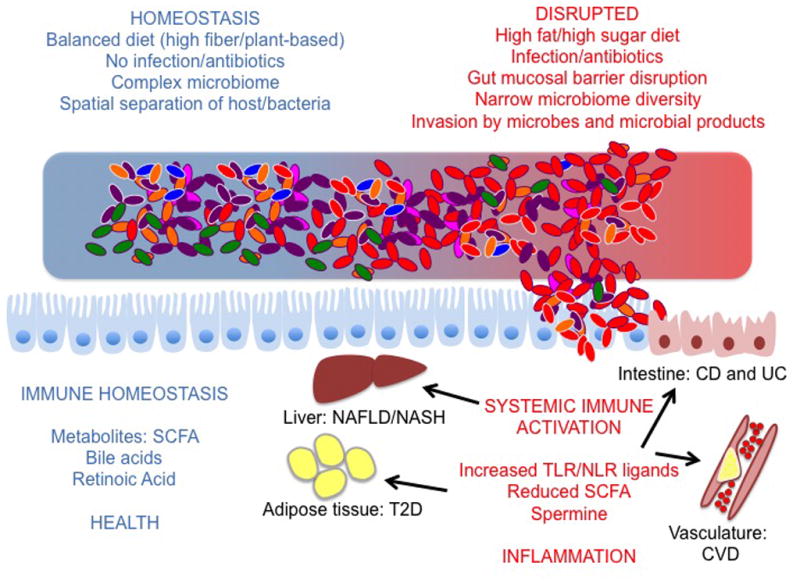
Figure 2. Potential linkages between the environment, microbiota, immune system and chronic inflammatory disease
At homeostasis, the microbiota assists the host in converting the diet into metabolites that foster a healthy host/microbiota relationship. These metabolites bolster the barrier between the host and the microbiota, preventing systemic immunity and inflammation. Disruption of the microbiota due to environmental factors (such as diet, infection, antibiotics etc.) or host factors can lead to a narrowing of microbial diversity and a shift in the metabolites derived from the microbiota. Shifts in this relationship can also lead to increased invasion of host tissue by bacteria and bacterial products. Together, a shift in metabolites and increased translocation of microbial products is believed to contribute to immune activation at the core of chronic inflammatory disease (IBD = Inflammatory Bowel Disease; CVD = Cardiovascular Disease; T2D = Type II Diabetes; NASH/NAFLD = Non-alcoholic Steatohepatitis/Non-alcoholic Fatty Liver Disease).

References

    1. Chovatiya R, Medzhitov R. Stress, inflammation, and defense of homeostasis. Mol Cell. 2014;54:281–288. - PMC - PubMed
    1. Wynn TA, Vannella KM. Macrophages in Tissue Repair, Regeneration, and Fibrosis. Immunity. 2016;44:450–462. - PMC - PubMed
    1. Frank DN, et al. Molecular-phylogenetic characterization of microbial community imbalances in human inflammatory bowel diseases. Proc Natl Acad Sci U S A. 2007;104:13780–13785. - PMC - PubMed
    1. Qin J, et al. A metagenome-wide association study of gut microbiota in type 2 diabetes. Nature. 2012;490:55–60. - PubMed
    1. Turnbaugh PJ, et al. An obesity-associated gut microbiome with increased capacity for energy harvest. Nature. 2006;444:1027–1031. - PubMed

Publication types