


Respiratory Virus-Associated Severe Acute Respiratory Illness and Viral Clustering in Malawian Children in a Setting With a High Prevalence of HIV Infection, Malaria, and Malnutrition
- PMID: 27630199
- PMCID: PMC5341080
- DOI: 10.1093/infdis/jiw426
Respiratory Virus-Associated Severe Acute Respiratory Illness and Viral Clustering in Malawian Children in a Setting With a High Prevalence of HIV Infection, Malaria, and Malnutrition
Abstract
Background: We used data from 4 years of pediatric severe acute respiratory illness (SARI) sentinel surveillance in Blantyre, Malawi, to identify factors associated with clinical severity and coviral clustering.
Methods: From January 2011 to December 2014, 2363 children aged 3 months to 14 years presenting to the hospital with SARI were enrolled. Nasopharyngeal aspirates were tested for influenza virus and other respiratory viruses. We assessed risk factors for clinical severity and conducted clustering analysis to identify viral clusters in children with viral codetection.
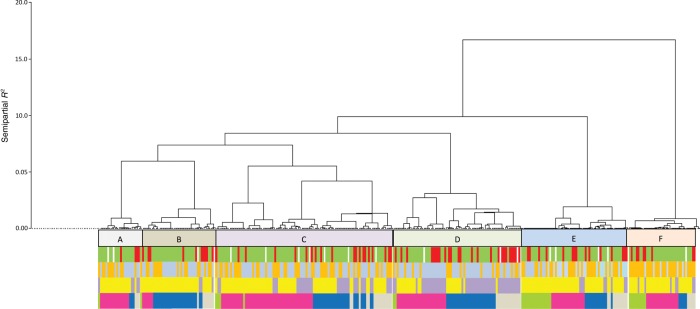
Results: Hospital-attended influenza virus-positive SARI incidence was 2.0 cases per 10 000 children annually; it was highest among children aged <1 year (6.3 cases per 10 000), and human immunodeficiency virus (HIV)-infected children aged 5-9 years (6.0 cases per 10 000). A total of 605 SARI cases (26.8%) had warning signs, which were positively associated with HIV infection (adjusted risk ratio [aRR], 2.4; 95% confidence interval [CI], 1.4-3.9), respiratory syncytial virus infection (aRR, 1.9; 95% CI, 1.3-3.0) and rainy season (aRR, 2.4; 95% CI, 1.6-3.8). We identified 6 coviral clusters; 1 cluster was associated with SARI with warning signs.
Conclusions: Influenza vaccination may benefit young children and HIV-infected children in this setting. Viral clustering may be associated with SARI severity; its assessment should be included in routine SARI surveillance.
Keywords: Africa; SARI; children; influenza; viral coinfection.
© The Author 2016. Published by Oxford University Press for the Infectious Diseases Society of America. All rights reserved. For permissions, e-mail journals.permissions@oup.com.
Figures
References
-
- Feikin DR, Njenga MK, Bigogo G et al. Viral and bacterial causes of severe acute respiratory illness among children aged less than 5 years in a high malaria prevalence area of western Kenya, 2007–2010. Pediatr Infect Dis J 2013; 32:e14–9. - PubMed
MeSH terms
Grants and funding
LinkOut - more resources
Full Text Sources
Other Literature Sources
Medical
